As we approach 2026, the landscape of dental health in the United States is poised for significant changes. These changes are driven by technological advancements, evolving healthcare policies, and shifting societal behaviors.
This research guide explores key statistics, trends, and habits shaping dental health in the U.S. in 2026 and beyond. It also examines the expected impact of these trends on access to care, health outcomes, and patient behaviors.
Special attention is given to the dental health scenario in Woodbury, Minnesota, providing both local and national perspectives on the evolving dental care landscape.
For readers seeking a foundational overview of today’s most common solutions, our guide on Dental Implants 101: All the Basics You Need to Know offers helpful context.
Key Takeaways:
- Untreated cavities will still affect 1 in 4 adults by 2026, despite advancements in care.
- Cosmetic dentistry is expected to surpass $5.6 billion by 2026, with continued growth in demand for aesthetic treatments.
- Teledentistry will account for 30% of all dental consultations by 2026, improving access to care nationwide.
- Preventive care will be a major focus, with 75% of adults regularly scheduling checkups by 2026.
- Smart devices and oral health apps will revolutionize dental hygiene, becoming a staple in American households.
Key Trends in Dental Health by 2026
The following section outlines the anticipated trends in dental health for 2026 based on statistical projections and research findings.
1. Untreated Cavities: 1 in 4 Adults to Be Affected by 2026
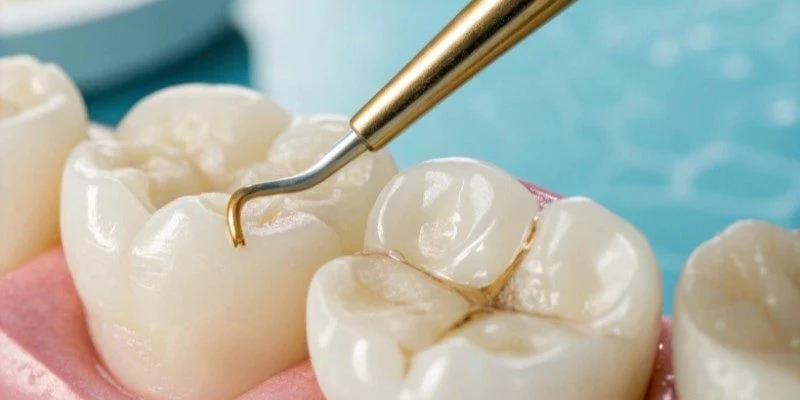
Dental decay remains the most common chronic disease among both children and adults in the U.S. Despite advancements in dental technology and access to care, untreated cavities are expected to affect 1 in 4 adults by 2026, as highlighted in studies by the Centers for Disease Control and Prevention (CDC).
In rural areas and underserved communities, this statistic is expected to be higher, where access to timely and affordable dental care remains limited.
- Data Insight:Data Insight: According to CDC data from 2021, untreated dental cavities affect 26% of adults aged 20–64, with disparities particularly evident in low-income populations. Routine care and restorative treatments, such as the use of dental fillings, as discussed in Get Ready for School with a Dental Filling, remain essential to preventing progression to more serious dental issues.
- Projected Trend: By 2026, untreated cavities are projected to continue to impact a significant portion of the population, particularly in rural areas such as parts of Woodbury, where access to specialized dental care may be limited.
Source: Centers for Disease Control and Prevention (CDC), “Oral Health Disparities,” CDC
Protect your oral health early. Schedule a checkup at Imagine Your Smile in Woodbury, MN today.
2. Cosmetic Dentistry Market: Projected to Exceed $5.6 Billion
The demand for cosmetic dentistry is expected to rise dramatically by 2026. The American Academy of Cosmetic Dentistry (AACD) predicts that the cosmetic dental market will surpass $5.6 billion by 2026, driven by an increased desire for aesthetic treatments such as veneers, teeth whitening, and broader smile enhancement approaches. Treatments that focus on upgrading the appearance of teeth, like those outlined in Two Ways to Improve Your Smile with Cosmetic Dentistry, continue to influence patient choices and fuel market growth.
- Data Insight: The cosmetic dentistry market grew by approximately 6.4% annually from 2020 to 2025, with a significant spike expected by 2026 as dental aesthetics continue to gain importance among younger generations.
- Projected Trend: By 2026, cosmetic dentistry will become a core part of dental care routines for a growing portion of the U.S. population, particularly in wealthier urban areas like Woodbury, where personal wellness and appearance are highly valued.
Source: American Academy of Cosmetic Dentistry, “Cosmetic Dentistry Market Trends,” AACD
3. Teledentistry: 30% of Dental Consultations Will Be Virtual by 2026
Teledentistry, which emerged during the COVID-19 pandemic, is expected to be a critical component of dental care by 2026. The American Telemedicine Association projects that 30% of all dental consultations will be conducted virtually by 2026. This is a significant shift from the pre-pandemic era, where virtual dental care was virtually nonexistent.
- Data Insight: During the pandemic, teledentistry usage increased by 800% in the U.S. and is expected to continue growing as remote care options become more popular.
- Projected Trend: Virtual consultations, remote diagnostics, and follow-up appointments will allow for more convenient and accessible dental care. This trend will particularly benefit rural communities like Woodbury, where travel to dental offices can be challenging.
Source: American Telemedicine Association, “Telemedicine Trends and Predictions,” ATA
Changing Habits in Oral Health: How Americans Are Approaching Their Dental Care in 2026
As we approach 2026, significant shifts in dental habits are emerging. The following statistics provide a deeper understanding of how these habits are evolving across the country.
1. Daily Brushing: 85% of Americans Will Brush Twice Daily by 2026
By 2026, an estimated 85% of Americans will brush their teeth at least twice daily, a significant increase from previous years. This shift is largely attributed to advancements in electric toothbrush technology and an increased emphasis on oral hygiene, particularly in children and young adults.
- Data Insight: Research from the American Dental Association (ADA) indicates that electric toothbrushes, which help track brushing time and provide feedback on brushing habits, are contributing to the increase in daily brushing.
- Projected Trend: In 2026, brushing twice daily will be the standard for most Americans, with smart toothbrushes and technology-integrated care becoming the norm. This trend will help reduce the prevalence of cavities and gum disease over time.
Source: American Dental Association, “Oral Health and Hygiene Habits in America,” ADA
2. Flossing Habits: 70% of Americans Will Floss Regularly by 2026
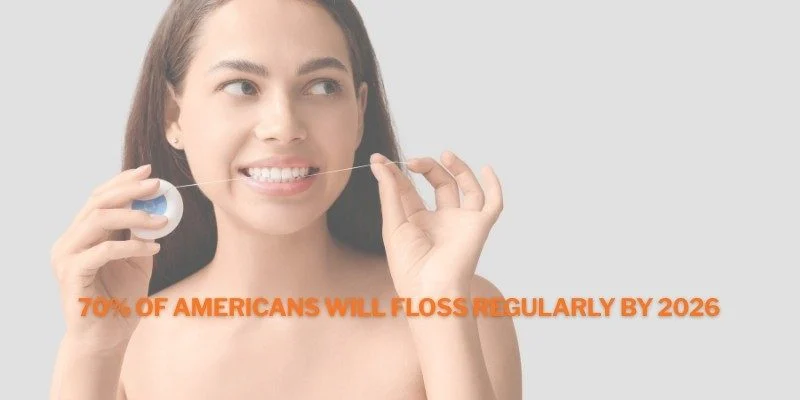
Flossing is expected to become a daily habit for 70% of Americans by 2026. This is a significant improvement from the previous figure of 63%, driven by public health campaigns, increasing awareness of the importance of flossing, and new products designed to make flossing easier.
- Data Insight: The American Dental Association reports that consistent flossing helps prevent gum disease and cavities, as it removes plaque and food particles from between teeth.
- Projected Trend: In 2026, flossing will no longer be an optional practice for maintaining good oral health. More individuals will incorporate it into their daily routines, further improving overall dental hygiene.
Source: American Dental Association, “Flossing and Preventing Gum Disease,” ADA
3. Preventive Care: 75% of Adults Will Schedule Regular Checkups by 2026
Preventive care is increasingly being seen as a critical part of overall wellness. By 2026, 75% of adults in the U.S. will be scheduling regular dental checkups every six months. Preventive visits, which include cleanings, exams, and fluoride treatments, help to detect issues before they become serious.
- Data Insight: The National Institute of Dental and Craniofacial Research (NIDCR) reports that individuals who receive preventive care are less likely to experience severe dental problems, leading to lower overall healthcare costs.
- Projected Trend: By 2026, regular dental checkups will be the standard, with both adults and children being encouraged to visit the dentist every six months to maintain optimal oral health.
Source: National Institute of Dental and Craniofacial Research, “Preventive Care Trends,” NIDCR
Don’t wait for symptoms. Book a preventive dental visit at Imagine Your Smile in Woodbury, MN.
Oral Health Habits: Shifting Focus to Diet, Wellness, and Technology
In 2026 and beyond, Americans’ approach to oral health will go beyond brushing and flossing. Here are some emerging areas of focus:
1. Diet and Oral Health: 80% of Americans Will Focus on Tooth-Friendly Foods
By 2026, 80% of Americans will focus on incorporating tooth-friendly foods into their diets. Foods rich in calcium, fiber, and antioxidants (such as cheese, nuts, and leafy greens) will become more common in everyday diets as people recognize their role in maintaining strong teeth and gums.
- Data Insight: The American Heart Association reports that certain foods, like cheese and yogurt, can help neutralize acids in the mouth and protect against cavities.
- Projected Trend: In 2026, the average American will be more educated about the link between diet and oral health, leading to better food choices that support long-term dental care.
Source: American Heart Association, “Diet and Oral Health,” AHA
2. Smart Technology in Oral Care: A Revolution in Teeth-Brushing
By 2026, smart toothbrushes and oral health apps will be standard tools for monitoring and improving dental hygiene. These devices will track brushing habits, offer personalized feedback, and help users optimize their oral care routines.
- Data Insight: A report by the Journal of Dental Research highlights the effectiveness of smart toothbrushes in improving brushing habits by providing real-time feedback on brushing technique and coverage.
- Projected Trend: By 2026, these technologies will be integrated into daily routines, offering individuals greater control over their oral health.
Source: Journal of Dental Research, “Smart Devices in Oral Health,” JDR
Conclusion: The Future of Dental Health in 2026 and Beyond
Dental health in the U.S. is on the verge of significant change. From increasing use of teledentistry and cosmetic treatments to better habits surrounding diet and preventive care, the landscape of oral care is evolving rapidly.
By staying informed about these trends and embracing technological innovations, both individuals and dental professionals can work together to improve oral health outcomes across the country, including in communities like Woodbury, Minnesota.
References:
- Centers for Disease Control and Prevention (CDC), “Oral Health Disparities,” CDC
- American Academy of Cosmetic Dentistry, “Cosmetic Dentistry Market Trends,” AACD
- American Telemedicine Association, “Telemedicine Trends and Predictions,” ATA
- American Dental Association, “Oral Health and Hygiene Habits in America,” ADA
- National Institute of Dental and Craniofacial Research, “Preventive Care Trends,” NIDCR
- American Heart Association, “Diet and Oral Health,” AHA
- Journal of Dental Research, “Smart Devices in Oral Health,” JDR