Taking care of your teeth is important, but have you ever stopped to think about how much it actually costs to maintain a healthy smile each year? From regular check-ups to more advanced procedures, dental care can quickly add up.
In this article, we’ll explore just how much Americans, including you, spend on dental care annually, what factors are driving these costs, and how you can manage your dental expenses better.
Key Takeaways:
- Americans spend approximately $137 billion on dental care each year, with significant increases expected.
- The biggest costs are in preventive care and restorative services, but cosmetic dentistry and orthodontics are growing rapidly.
- The average American spends about $500 to $1,500 per year on dental visits, depending on the procedures needed.
- Technological advancements and the aging population are driving up the costs of dental care.
Total Annual Spending on Dental Care: $137 Billion and Counting
When you think about how much dental care costs each year, you’re not alone; Americans collectively spend a huge amount on dental services. In 2020, the total spending on dental care in the U.S. reached approximately $137 billion. That’s a lot of money! And it’s not just for routine cleanings and checkups; cosmetic procedures, braces, and emergency visits add up too.
- Quick Fact: Dental spending in the U.S. grows by 5-6% annually, which means by 2026, total spending could easily surpass $150 billion.
Source: American Dental Association, “Economic Impact of the Dental Industry,” ADA
Breaking Down Your Annual Dental Expenses
Now, let’s break down where all that money is going. From basic care to more complex procedures, your dental spending each year is influenced by a variety of factors. Here’s how it adds up:
1. Preventive Care: Your Routine Cleanings and Checkups ($50 Billion a Year)
Routine dental visits, which include cleanings, exams, and X-rays, are the foundation of good oral health. You probably visit your dentist twice a year, and those visits alone add up to about $50 billion in annual spending across the country.
While these services are relatively affordable, they are necessary to keep your teeth healthy and to catch problems early before they become costly.
- Quick Fact: A typical cleaning and check-up can cost anywhere from $100 to $250, depending on where you live and your insurance coverage.
Source: Centers for Disease Control and Prevention (CDC), “Oral Health Spending and Access,” CDC
2. Restorative Care: Repairing What’s Been Damaged ($60 Billion a Year)
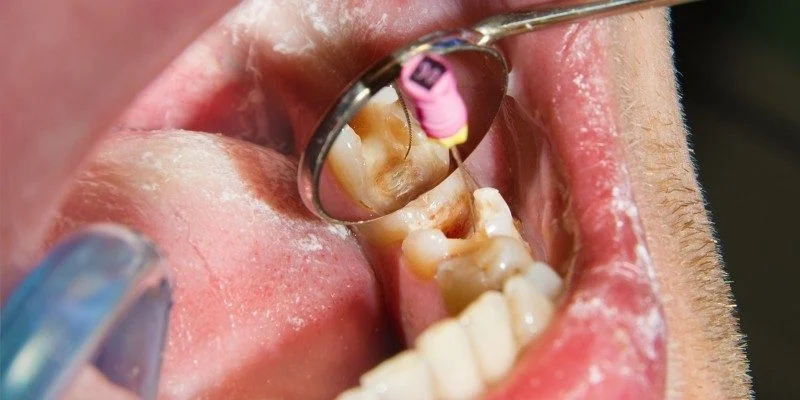
While preventive care is important, sometimes things go wrong. If you’ve ever had a cavity filled or needed a root canal, you know how quickly restorative dental care can get expensive. In 2020, Americans spent around $60 billion on restorative treatments like fillings, crowns, and root canals.
- Quick Fact: The cost of a filling can range from $100 to $450, while a crown can cost anywhere from $800 to $2,000, depending on the material used and the complexity of the procedure.
Source: National Institute of Dental and Craniofacial Research, “Cost of Dental Services,” NIDCR
3. Cosmetic Dentistry: $4.2 Billion for Your Dream Smile

If you’ve ever considered getting your teeth whitened, veneers, or even a full smile makeover, you’re not alone. In fact, Americans spent about $4.2 billion on cosmetic dental procedures in 2020. Whether it’s a teeth whitening session or something more elaborate like veneers, cosmetic dentistry has become a growing part of dental care.
- Quick Fact: Teeth whitening treatments can cost anywhere from $500 to $1,000, while veneers can range from $1,000 to $2,500 per tooth.
Source: American Academy of Cosmetic Dentistry, “Cosmetic Dentistry Market Trends,” AACD
4. Orthodontics: Straightening Your Smile ($9 Billion a Year)
For those who need braces or other orthodontic treatments, this can be one of the more expensive areas of dental care. In 2020, Americans spent around $9 billion on orthodontic treatments, including traditional braces and newer options like Invisalign.
- Quick Fact: Braces typically cost between $3,000 and $7,000, depending on the length and complexity of the treatment. Invisalign can be a bit pricier, ranging from $3,000 to $8,000.
Source: American Association of Orthodontists, “Orthodontics Market Insights,” AAO
5. Emergency Care: Quick Fixes for Unexpected Problems ($1.5 Billion a Year)
We all hope we don’t need emergency dental care, but sometimes toothaches or accidents happen. Whether it’s a broken tooth or a severe tooth infection, emergency dental visits cost Americans about $1.5 billion annually.
- Quick Fact: An emergency visit can cost between $150 to $500, depending on the issue. More serious problems like extractions or abscess treatments can be much more expensive.
Source: American Dental Association, “Emergency Dental Care Costs,” ADA
Take the first step toward affordable, long-term dental health, schedule your consultation today.
Factors Driving the Rising Costs of Dental Care
So why is dental care becoming so expensive? Here are a few reasons why your dental expenses might be higher than expected:
1. Lack of Insurance
Dental insurance coverage isn’t as widespread as health insurance, and many people who have dental coverage find that it doesn’t cover major procedures. This often leaves you to foot the bill for more expensive treatments. In fact, about 50% of Americans lack dental insurance, which contributes to higher out-of-pocket expenses.
- Quick Fact: According to the National Association of Dental Plans, 77% of dental spending comes directly from out-of-pocket expenses, as insurance often only covers preventive care.
Source: National Association of Dental Plans, “Dental Insurance and Spending Trends,” NADP
2. Aging Population and More Complex Needs
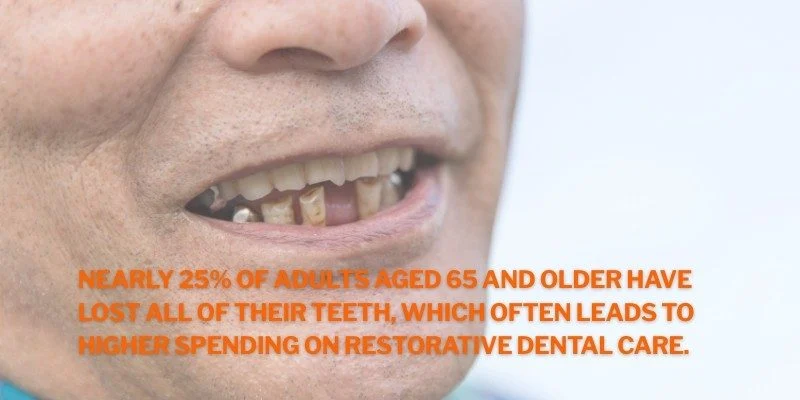
As Americans age, they tend to need more restorative and emergency dental treatments. Older adults often require dentures, crowns, and bridges to maintain their oral health. This population is expected to grow, driving up dental spending over time.
- Quick Fact: The CDC reports that nearly 25% of adults aged 65 and older have lost all of their teeth, which often leads to higher spending on restorative dental care.
Source: Centers for Disease Control and Prevention, “Oral Health and Aging,” CDC
3. Technological Advancements
While new technology has made dental procedures more effective, it has also contributed to rising costs. Advanced treatments, like 3D imaging, laser dentistry, and digital impressions, have become more common in dental practices, but these technologies come with higher costs.
- Quick Fact: Digital impressions and 3D imaging have become essential tools in modern dentistry, but they can add $200 to $400 per visit to your dental bill.
Source: Journal of Dental Research, “Impact of Technology on Dental Care,” JDR
How Much Are You Spending in Woodbury, Minnesota?
In Woodbury, Minnesota, dental care spending follows national trends but with a few notable local differences.
The average household income in Woodbury is higher than the national average, which means more residents may be able to afford elective cosmetic and orthodontic procedures.
At the same time, Woodbury residents also face the rising costs of advanced dental technology and out-of-pocket expenses for those without comprehensive dental insurance.
- Quick Fact: The median household income in Woodbury is approximately $97,000, which is above the national average of $68,700. Higher income levels in the community often correlate with higher dental spending, especially on cosmetic and orthodontic procedures.
Source: U.S. Census Bureau, “Woodbury, MN Income and Spending,” Census.gov
Conclusion: Dental Care Spending is on the Rise, but You Can Manage It
Dental care is a significant part of maintaining your overall health, but it’s also an area where costs can easily spiral. With spending expected to increase in the coming years, it’s important to plan ahead and make smart decisions about your oral care.
Whether it’s through preventive visits, understanding your insurance coverage, or budgeting for more expensive procedures, staying informed about dental care costs will help you manage your expenses and maintain a healthy smile for years to come.
References:
- American Dental Association, “Economic Impact of the Dental Industry,” ADA
- Centers for Disease Control and Prevention (CDC), “Oral Health Spending and Access,” CDC
- National Institute of Dental and Craniofacial Research, “Cost of Dental Services,” NIDCR
- American Academy of Cosmetic Dentistry, “Cosmetic Dentistry Market Trends,” AACD
- U.S. Census Bureau, “Woodbury, MN Income and Spending,” Census.gov