Losing teeth can change how you eat, speak, and feel about your smile. Modern dentistry gives you two strong options to bring back comfort and confidence—All-on-4 dental implants and snap-in dentures.
The main difference is that All-on-4 implants stay fixed in your mouth like natural teeth, while snap-in dentures can be removed for cleaning.
You might wonder which one fits your lifestyle, budget, and long-term goals. Both treatments restore full arches of teeth, but they work in different ways and offer unique benefits.
All-on-4 implants feel more permanent and natural, while snap-in dentures give you flexibility and easier cleaning.
Choosing between them depends on what matters most to you—durability, maintenance, or cost. As you explore the details ahead, you’ll see how each option affects daily life, oral health, and overall comfort so you can make a confident choice for your smile in Woodbury, MN.
Key Differences Between All-on-4 and Snap-In Dentures
Both All-on-4 dental implants and snap-in dentures restore missing teeth and improve oral health, but they differ in how they attach, function, and feel. These differences affect how you chew, speak, clean your teeth, and maintain jawbone health.
Stability and Functionality
All-on-4 implants stay fixed in place because the dentist secures the prosthesis to four dental implants anchored in your jawbone. You don’t remove them at home, and they feel much like natural teeth. This design gives strong stability during chewing and speaking.
Snap-in dentures, also called overdentures, attach to implants using small connectors that “snap” into place. You can remove them for cleaning, which makes maintenance easier. However, they may shift slightly while eating harder foods.
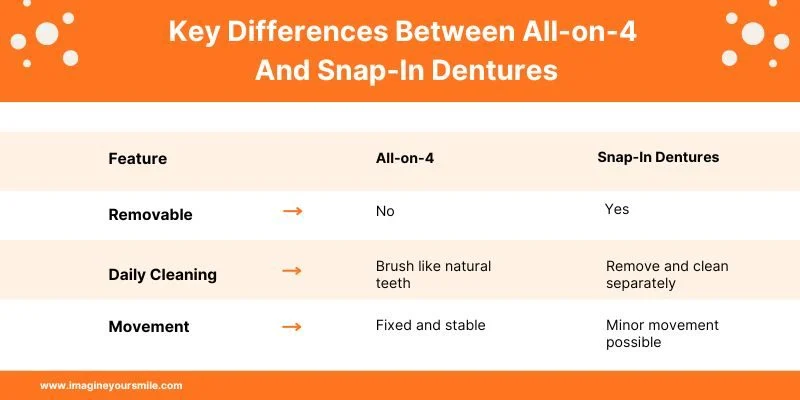
| Feature | All-on-4 | Snap-In Dentures |
| Removable | No | Yes |
| Daily Cleaning | Brush like natural teeth | Remove and clean separately |
| Movement | Fixed and stable | Minor movement possible |
If you prefer a permanent, low-maintenance option, All-on-4 offers more stability. If you value flexibility and easier cleaning, snap-in dentures may suit you better.
All-on-4 implants vs Snap in Dentures for Aesthetics and Natural-Looking Smile
All-on-4 implants support your facial structure and help prevent the “sunken” look that can occur with tooth loss. Because the prosthesis attaches directly to the implants, it follows your natural gum line and looks realistic. The teeth and gums are custom-shaped and shaded to match your face.
Snap-in dentures also look natural, but they often include more acrylic material around the gums. This can make them appear slightly bulkier. Some designs may cover part of the palate, which can affect how your smile feels and how you pronounce certain words.
Both options can restore your confidence, but All-on-4 typically provides a slimmer, more natural appearance that blends seamlessly with your features.
Snap in Dentures vs All-on-4 Implants Bite Force and Eating Experience
All-on-4 implants allow you to bite and chew with strength similar to natural teeth. The implants fuse with your jawbone, creating a secure base that supports higher bite force. You can enjoy most foods, including tougher items like apples or meat, once healing is complete.
Snap-in dentures improve chewing compared to traditional dentures but don’t match the bite strength of All-on-4. Because they rest on the gums and attach through snaps, they may move slightly when you eat harder foods. You might need to avoid sticky or crunchy foods to prevent discomfort or wear.
If you want a stronger, more natural eating experience, All-on-4 provides better performance and comfort.
Bone Preservation and Jawbone Health With All-on-4 Implants and Snap in Dentures
When teeth are missing, the jawbone can shrink over time due to lack of stimulation. All-on-4 implants help prevent this by transferring chewing pressure directly to the bone, keeping it active and healthy. This process, called osseointegration, supports long-term bone preservation and facial structure.
Snap-in dentures also use implants, but the pressure on the bone is less evenly distributed. Over many years, some bone loss may still occur, especially in areas without implants. Regular dental checkups help monitor bone health and ensure your prosthesis continues to fit properly.
If maintaining strong jawbone health is important to you, All-on-4 offers more protection and long-term stability.
Ready to find out which treatment fits your needs best? Schedule a consultation with your dentist to review your oral health, bone density, and goals before deciding between All-on-4 implants and snap-in dentures.
Understanding All-on-4 Dental Implants
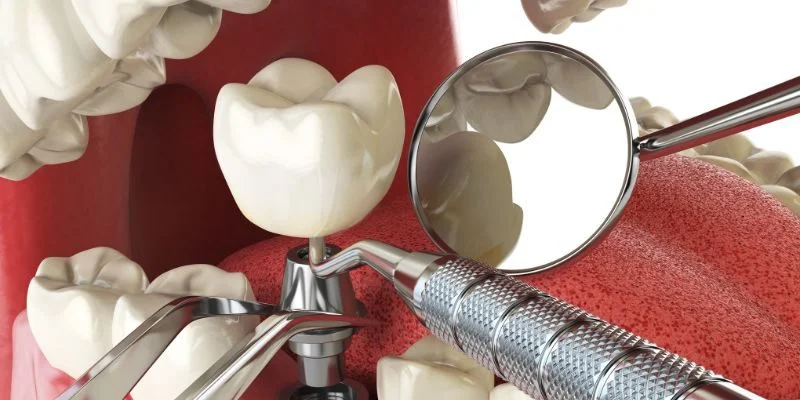
All-on-4 dental implants give you fixed, natural-looking teeth using only four implants in each arch. This treatment helps restore your smile, maintain jawbone health, and reduce the need for bone grafting. It’s a long-term solution that feels and functions like real teeth.
How All-on-4 Dental Implants Work
All-on-4 implants use four titanium posts placed in your jawbone to support a full arch of replacement teeth. Two implants are positioned vertically in the front, and two are angled in the back to maximize bone contact and stability.
This design helps even people with reduced bone density avoid extra bone grafting. After implant surgery, a temporary prosthesis is attached, giving you teeth the same day.
Over the next few months, the implants bond to the bone through osseointegration. Once healed, your dentist replaces the temporary teeth with a permanent denture or bridge that feels secure and natural.
| Step | Description |
| 1 | Consultation and imaging to assess bone health |
| 2 | Implant placement under local anesthesia |
| 3 | Temporary teeth attached the same day |
| 4 | Healing and osseointegration (3–6 months) |
| 5 | Permanent prosthesis placement |
Benefits of All-on-4 Dental Implants
You gain a fixed, non-removable set of teeth that look and function like your own. You can eat, speak, and smile with confidence without worrying about slipping or adhesives.
Because the implants integrate with your jawbone, they help preserve bone density and prevent bone loss that often follows tooth loss. This keeps your facial shape fuller and more natural.
All-on-4 also reduces the number of implants needed compared to traditional full-mouth implants, which helps lower cost and recovery time. You clean them like natural teeth—brushing and using special floss under the bridge.
Who Is a Good Candidate for All-on-4
You may be a good candidate if you’ve lost most or all of your teeth and want a permanent dental implant restoration instead of removable dentures.
Healthy gums and enough bone in the front of your jaw are important for successful implant placement. Even if you have some bone loss, the angled implant design often removes the need for grafting.
You should also be in good general health and free from conditions that slow healing, such as uncontrolled diabetes or heavy smoking. An oral surgeon or implant specialist can evaluate your jawbone health and create a treatment plan that fits your needs.
What Are Snap-In Dentures?

Snap-in dentures use small dental implants to hold your dentures securely in place. They help you eat, speak, and smile with more comfort and confidence compared to traditional removable dentures.
How Snap-In Dentures Work
Snap-in dentures, also called implant-supported dentures or overdentures, attach to dental implants placed in your jawbone. These implants act like artificial tooth roots and connect to the denture through small metal parts called abutments.
The denture “snaps” onto these abutments using special attachments. This design keeps the denture stable while still allowing you to remove it for cleaning.
Most snap-on dentures use two to four implants per arch. The acrylic plate of the denture rests on your gums, while the implants prevent it from slipping or clicking during eating or talking.
Because the implants stimulate your jawbone, they help reduce bone loss that often happens with standard removable dentures.
Advantages of Snap-In Dentures
Snap-in dentures offer a strong balance between comfort, stability, and cost. They are more secure than traditional dentures but less expensive than full fixed implant bridges.
Key benefits include:
- Better fit and stability: The implants keep your dentures from moving.
- Easy cleaning: You can remove them for brushing and rinsing.
- Improved chewing and speech: You can eat a wider variety of foods.
- Bone preservation: Implants help maintain jawbone health.
- No denture adhesive: The snap-on design removes the need for glue.
You may also notice a more natural appearance since the denture fits closer to your gums. Many people find this option more comfortable and confidence-boosting than traditional removable dentures.
Ideal Candidates for Snap-In Dentures
You may be a good candidate if you have missing teeth and enough healthy jawbone to support dental implants. People who already wear dentures but want a more stable fit often choose this option.
Snap-in dentures work well for adults who prefer removable dentures that are easy to clean and maintain.
They are also a practical choice if you want affordable dentures that still offer the strength and function of implant-retained dentures.
However, you’ll need good oral hygiene and regular dental visits to keep your implants and gums healthy.
Durability, Maintenance, and Oral Hygiene
Both All-on-4 dental implants and snap-in dentures can restore your smile, but they differ in how long they last, how much care they need, and how you keep them clean. Understanding these differences helps you protect your investment and maintain good oral health for years.
Longevity and Durability
All-on-4 dental implants are designed as a permanent full-arch tooth replacement. The titanium implants fuse with your jawbone through a process called osseointegration, which can make them last decades with proper care. The attached bridge or denture may need replacement every 15–20 years, depending on the material.
Snap-in dentures use 2–4 implants for support and removable overdentures that typically last 5–10 years. The implants themselves can last much longer, but the denture attachments and rubber o-rings often wear out and need replacement.
| Feature | All-on-4 Implants | Snap-in Dentures |
| Implant Lifespan | 20+ years | 20+ years |
| Denture/Bridge Lifespan | 15–20 years | 5–10 years |
| Stability | Fixed | Removable |
| Common Repairs | Prosthetic wear | Clip and o-ring replacement |
Durability often depends on daily care, bite force, and regular dental visits.
Daily Cleaning and Maintenance
You clean All-on-4 implants much like natural teeth. Use a soft-bristled toothbrush, non-abrasive toothpaste, and floss or interdental brushes to clean under the bridge. Professional cleanings every six months help remove buildup around the implants.
Snap-in dentures require more daily handling. You remove them at night, brush them gently with denture cleaner or mild soap, and rinse them before snapping them back in. The implant abutments in your mouth should also be brushed to prevent plaque buildup.
Tip: Replace worn attachments promptly to keep your denture secure and prevent strain on the implants. Consistent cleaning keeps both systems functioning well and reduces odor or irritation.
Oral Hygiene Considerations
Good oral hygiene supports implant health and prevents infection. For All-on-4 implants, keeping the gum line clean helps avoid peri-implantitis, a condition similar to gum disease that can weaken implants.
With snap-in dentures, food particles can collect under the denture base, so daily removal and cleaning are essential. You should also clean your gums and tongue to maintain a healthy mouth environment.
Regular checkups let your dentist monitor bone health and implant stability. Whether you choose a fixed or removable dental restoration, maintaining clean surfaces and healthy gums keeps your dental implants strong and comfortable.
Cost, Accessibility, and Lifestyle Considerations
Choosing between All-on-4 dental implants and snap-in dentures depends on your budget, recovery time, and how each option fits your daily routine. Each treatment offers unique benefits for comfort, maintenance, and long-term value.
Treatment Costs and Insurance
All-on-4 dental implants usually cost more upfront because they involve dental implant surgery and a fixed full-arch restoration. Prices often range from $15,000 to $30,000 per arch, depending on your location, materials used, and the need for bone grafting.
Snap-in dentures are often more affordable. They may cost around $5,000 to $10,000 per arch, since they use fewer implants and removable dentures. This makes them a popular affordable dentures option for many patients.
Insurance coverage varies. Many dental plans cover part of the procedure, such as extractions or dentures, but not the full implant cost. Some clinics offer payment plans or financing to make treatment more accessible.
Before deciding, schedule a tooth replacement consultation to review total expenses, including maintenance and future adjustments. Comparing long-term costs helps you understand which option fits your budget best.
Procedure Timeline and Recovery
The All-on-4 procedure often provides temporary teeth the same day as surgery, allowing you to leave with a full smile. Healing usually takes several months as the implants fuse with your jawbone. You’ll return for follow-up visits before receiving your final set of teeth.
Snap-in dentures require less surgery and a shorter recovery. After implant placement, you may wait a few months for healing before attaching the denture. Adjustments are simpler, and maintenance visits are less frequent.
If you prefer a faster, less invasive process, snap-in dentures may suit you. If you want a permanent, fixed solution with stronger bite function, All-on-4 might be worth the longer healing time.
Lifestyle Impact and Comfort
All-on-4 implants stay fixed in your mouth. You can eat, speak, and smile without worrying about movement. They feel more like natural teeth and require only regular brushing and flossing.
Snap-in dentures offer flexibility. You can remove them for cleaning, which makes hygiene easier. However, they may need periodic adjustments or replacement over time.
Your daily habits, comfort preferences, and willingness to maintain your prosthetic should guide your choice. Both tooth replacement options can restore confidence and function, but the right fit depends on your lifestyle and priorities.
How to Choose the Right Tooth Replacement Option in Woodbury, MN
Choosing between All-on-4 dental implants and snap-in dentures depends on your oral health, lifestyle, and long-term goals. The right plan starts with a detailed evaluation by a qualified professional who can match your needs with the most suitable treatment.
Consultation with an Implant Dentist
Schedule a tooth replacement consultation with an experienced implant dentist or oral surgeon in Woodbury. During this visit, the dentist examines your gums, bone density, and any remaining teeth to see if you qualify for implants.
You may need x-rays or a CT scan to check jawbone strength. This helps determine whether you can support implants or if you need bone grafting first.
A skilled provider will explain the differences between All-on-4 implants, snap-in dentures, and dental bridges. They’ll review how each option affects cleaning routines, comfort, and cost.
Ask questions about healing time, maintenance, and long-term durability. A clear discussion helps you understand what to expect before, during, and after treatment.
Assessing Your Needs and Goals
Think about what matters most to you—comfort, budget, or permanence. If you want a fixed, natural-feeling solution, All-on-4 implants may fit best. If you prefer something removable and easier to clean, snap-in dentures could be better.
Consider your daily habits. People who travel often or have limited dexterity may prefer dentures that snap out for cleaning.
Also, review your oral health history. Strong bone and healthy gums usually make you a good candidate for implants. If you’ve had bone loss, your dentist may suggest grafting or an alternative like a bridge.
Write down your goals and discuss them openly with your dentist. Clear communication ensures your treatment plan matches your expectations.
Frequently Asked Questions
Choosing between All-on-4 dental implants and snap-in dentures affects your comfort, cost, and daily routine. Each option has unique differences in durability, care, and how they feel when you eat or speak.
What are the main differences between All-on-4 dental implants and snap-in dentures?
All-on-4 implants stay fixed in your mouth and act like natural teeth. A dentist can only remove them.
Snap-in dentures, also called overdentures, attach to implants but can be taken out for cleaning. They offer more flexibility but are not as permanent as All-on-4 implants.
How long do All-on-4 implants typically last compared to snap-in dentures?
All-on-4 implants can last 20 years or more with good care and regular checkups. They are designed to be a long-term solution.
Snap-in dentures usually last 5 to 10 years before needing replacement or adjustment. The denture attachments may wear out and need periodic maintenance.
Are there any specific dietary restrictions with All-on-4 implants or snap-in dentures?
Once healed, both options let you eat most foods. During the healing period, you’ll need to stick to soft foods.
Snap-in dentures may limit very hard or sticky foods to avoid damaging the attachments. All-on-4 implants allow for a more natural bite once fully healed.
What is the average cost difference between getting All-on-4 implants and snap-in dentures?
All-on-4 implants cost more because they use more implants and require complex planning. In the U.S., they often range from $20,000 to $30,000 per arch.
Snap-in dentures are more affordable, usually between $6,000 and $15,000 per arch, depending on the number of implants used.
How does the maintenance and care differ between All-on-4 implants and snap-in dentures?
You brush and floss All-on-4 implants like natural teeth. Your dentist may recommend special floss or brushes to clean under the bridge.
Snap-in dentures need to be removed daily for cleaning. You’ll rinse and brush them separately, then clean your gums and implant posts before reattaching them.
Can you describe the comfort level and stability between All-on-4 implants and snap-in dentures?
All-on-4 implants feel more natural and stable because they stay fixed in place. You won’t worry about slipping or clicking while talking or eating.
Snap-in dentures are secure but can move slightly if the attachments loosen over time. They’re still much more stable than traditional dentures and easier to adjust if needed.