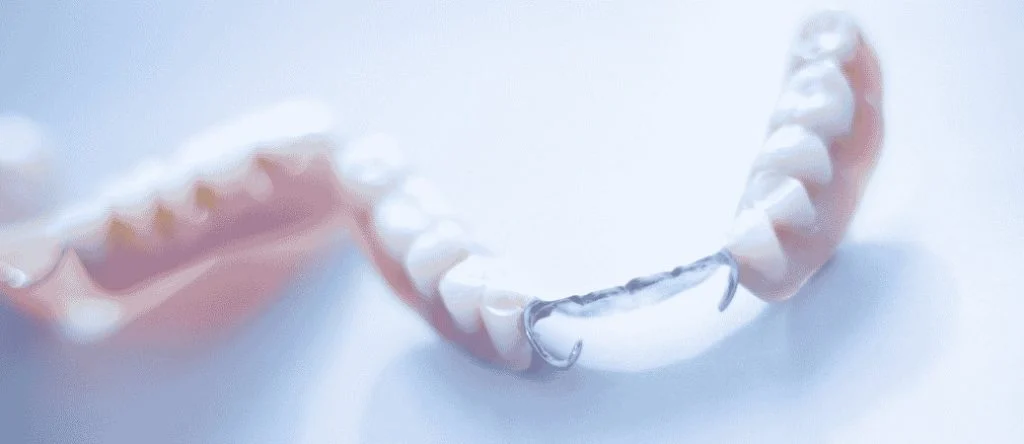
If you’ve ever struggled with dentures, you know they can be uncomfortable, unstable, and sometimes embarrassing. What many people don’t realize is that dental implants fix problems that dentures simply can’t.
Unlike dentures that rest on your gums and can slip or cause soreness, implants are anchored directly into your jawbone. This means you won’t have to worry about your teeth shifting or falling out.
Implants also help keep your bone strong, preventing the shrinking and sagging that dentures can’t stop. Beyond appearing natural, dental implants offer hidden health benefits that improve your overall oral health.
They protect your jawbone, support facial structure, and let you enjoy all your favorite foods with confidence.
Key Takeaways
- Implants provide reliable stability that dentures often lack.
- They protect your jawbone and facial structure over time.
- Implants let you eat comfortably and maintain better oral health.
Why Dentures Fall Short for Many Patients
Dentures may seem like a simple fix for missing teeth, but many people find they don’t work as well as expected. They can cause discomfort, limit what you eat, and even affect your oral health over time.
Common Denture Problems
You might notice your dentures slipping or shifting, especially when talking or eating. This happens because traditional dentures rest on your gums and rely on suction or messy adhesives to stay in place.
Over time, the jawbone underneath shrinks, which makes dentures feel loose. You may also experience sore spots or irritation from dentures rubbing your gums, causing pain and discomfort.
Another common problem is the hassle of constant maintenance. Dentures often need adjustments or relining every few years since changes in your mouth affect the fit.
These frequent visits add both time and cost. Plus, denture teeth can wear down or fall out, leaving you frustrated and needing repairs.
Limitations in Oral Function
Dentures don’t provide the same biting power as natural teeth or implants. This means you might avoid tough or crunchy foods like apples, nuts, or steak.
That limits your diet and can reduce important nutrients. Speech can also be affected by dentures.
They might feel bulky or cause you to slur words until you get used to them. Some people find it difficult to speak loudly or clearly, especially in social situations.
Chewing speed and efficiency drop significantly with dentures. Food may get trapped under them, causing discomfort or raising the risk of infections if not cleaned well.
Impact on Oral Health
Missing teeth without implants causes your jawbone to shrink, a process called bone loss. Dentures don’t stop this because they just sit on top of the gums and don’t stimulate the bone like natural roots or implants do.
Over time, this bone loss changes your facial structure, which can make your face look sunken or saggy. Bone loss also affects denture fit.
As your jaw changes shape, dentures become looser, causing more slips and discomfort. This cycle can lead you to replace or adjust dentures repeatedly.
Poorly fitting dentures can cause ongoing gum irritation and sores. These issues make it harder to maintain good oral hygiene and can increase the risk of infections or gum disease.
Unique Solutions Dental Implants Offer

When you lose teeth, the problems go beyond just missing a smile. Dental implants address key issues like stability, bone health, chewing ability, and clear speech.
These solutions go deeper than what dentures can offer, helping you get closer to natural tooth function.
Artificial Tooth Roots and Stability
Dental implants act like artificial tooth roots. They are titanium posts surgically placed into your jawbone. This means they anchor your new teeth securely, much like natural roots hold your teeth in place.
Because of this firm foundation, your implants don’t slip or move around like dentures can. You’ll feel more confident eating and talking without worrying about your teeth shifting. This stability also means you won’t have to use adhesives or worry about sore spots from denture rubbing.
Extensive clinical data show that when placed and integrated properly, dental implants have a very low failure rate of about 2.21% overall across 158,824 implants in 53,874 patients, indicating their strong long-term reliability and stability.
This makes implants a reliable option for patients seeking lasting results without the ongoing maintenance dentures often require.
Preservation of Jawbone Density
One hidden problem with missing teeth is that your jawbone can shrink over time. Without tooth roots or implants to stimulate it, the bone loses density and volume.
This can change your facial shape and make dentures fit poorly. Dental implants help maintain your jawbone density because they transfer chewing forces directly to the bone.
This stimulation keeps your jawbone healthy and prevents it from breaking down. By preserving bone volume, implants also protect your facial appearance and support your gums better.
This means your dental restoration will look more natural and last longer than with dentures alone.
Restoring Chewing Power
When you use dentures, your chewing power is often reduced by 50% or more. Since dentures rest on your gums and can move, you might avoid certain foods that are tough or crunchy.
Implants restore much more of your natural bite force. Because they are anchored in bone, you can chew hard foods like nuts and raw vegetables with ease.
This improves your nutrition and overall health. With stronger chewing ability, you also reduce the strain on your remaining natural teeth, if you have any, helping them last longer.
Supporting Speech Clarity
Dentures can sometimes make speaking clearly a challenge. Slipping or loose-fitting dentures might cause you to mumble or lisp, especially on sounds like “s” or “th.”
Dental implants support fixed or removable prostheses that stay firmly in place, giving you more natural control of your tongue and lips. This helps you speak with better clarity and confidence.
Since your teeth won’t move unexpectedly, you won’t need to pause or repeat yourself as much during conversations. Dental implants can improve your quality of communication in social and professional settings.
Call us today to schedule a consultation in Woodbury, MN, to learn more about how dental implants can change your life.
Oral Health Advantages Only Implants Provide
Dental implants offer benefits that go beyond just replacing missing teeth. They help keep your mouth healthier by supporting good hygiene, lowering the chance of gum disease, and preventing common problems like sore spots and irritation that dentures often cause.
Supporting Long-Term Oral Hygiene
With dental implants, you can clean your teeth just like your natural ones. Implants don’t need special adhesives or soaking like dentures do.
This makes brushing and flossing easier and more effective. Because implants are fixed in place, they don’t trap food or bacteria underneath like dentures sometimes do.
This helps reduce plaque buildup, which is key to keeping your gums and teeth healthy. Keeping your mouth clean helps prevent other issues, such as bad breath and gum infections.
Implants make caring for your oral hygiene simpler and more natural, so you can maintain a healthy smile.
Lower Risk of Gum Disease
Implants help protect your gums by fitting securely into your jawbone. Unlike dentures, which can move and irritate the gums, implants create a stable, permanent foundation.
This stability lowers the chance of inflammation or infection around your gums. Gum disease often starts when bacteria collect in hard-to-clean areas, but an implant’s design helps stop this buildup.
By protecting your gums from constant rubbing and bacteria, dental implants reduce your risk of developing gum problems. They provide a healthier environment for your mouth compared to removable dentures.
Preventing Sore Spots and Irritation
Dentures often cause sore spots because they press against your gums and soft tissues. These painful areas can make eating and talking uncomfortable.
Implants skip this problem completely. Since they are anchored in your jawbone, they don’t rub or shift, so there is no friction to cause sores.
You also won’t deal with the irritation that comes from denture adhesives or the constant need to adjust your fit. Implants provide a comfortable, secure solution that protects your gums from common denture-related irritations.
Hidden Medical Benefits Beyond Aesthetics

Dental implants do more than improve how your smile looks. They also help protect important parts of your mouth and overall health.
These benefits include reducing the chance of certain nerve problems, helping with sinus health, and keeping your jawbone strong and healthy.
Reducing Risk of Nerve Damage
When you lose teeth, the way your jawbone changes can affect nearby nerves. Dentures may press on these nerves or cause irritation because they rest on your gums without a secure base.
Implants, however, are placed directly into the jawbone, which helps protect the nerves by maintaining the bone’s shape. Since implants fuse with your jawbone, they provide a stable and predictable structure that lowers the risk of nerve injury during chewing or talking.
This means you can eat and speak more comfortably without worrying about nerve pain or numbness. If you have experienced nerve issues before with dentures, implants might be a safer solution for you.
Addressing Sinus Issues
For upper jaw implants, preventing sinus problems is key. Dentures on the upper jaw can sometimes cause pressure on your sinus cavities, leading to discomfort or sinus infections.
Dental implants eliminate this by anchoring posts directly into the bone beneath the sinus, avoiding unnecessary pressure. Your implants support healthy sinus function by leaving space where it should be and avoiding inflammation caused by ill-fitting dentures.
In some cases, specialized implant procedures improve sinus health by increasing bone support while protecting sinus membranes. If you have frequent sinus issues and wear dentures, implants could help reduce those problems.
Decreasing the Likelihood of Bone Loss
One of the biggest hidden medical benefits of dental implants is stopping jawbone loss. When a tooth is missing, the bone that held it no longer gets stimulated and can start to shrink.
Dentures just sit on top of the gums and don’t provide this stimulation, so bone loss continues. Implants act like real tooth roots, sending signals to your jawbone to keep it healthy and dense.
This process helps preserve your facial structure by preventing sunken cheeks or a sagging jawline. Keeping strong jawbone density also means you can keep chewing properly and avoid other dental issues connected to bone loss.
If you want to protect your jawbone health long term, implants offer a clear advantage over traditional dentures.
Don’t let bone loss affect your smile and health. If you’re in Woodbury, MN, our team is here to help you preserve your jawbone and restore your smile with dental implants.
Dental Implant Complications: Myths and Realities
Dental implants are a great solution for missing teeth, but like any medical procedure, they come with risks. Understanding common issues, such as infections or failure, and knowing how your dental professional helps prevent problems can give you confidence in your implant journey.
Implant Infection and Peri-Implantitis
One of the most common problems is infection around the implant site, called peri-implantitis. This happens when bacteria build up on the gums near the implant, causing inflammation and sometimes bone loss.
You might notice symptoms like redness, swelling, bleeding, or even pus near the implant. If left untreated, this infection can weaken the bone that holds the implant, risking implant failure.
Good oral hygiene is key to preventing infections. Your dental professional may recommend antibacterial mouth rinses and regular cleanings.
Early infections might be treated with antibiotics or minor procedures, but advanced cases can need surgery. Keeping your gums healthy supports your implant’s long-term success.
Managing Implant Failure
Sometimes, an implant doesn’t properly fuse with your jawbone. This fusion, called osseointegration, is essential for implant stability.
If it fails, the implant may feel loose or cause persistent pain. Reasons for failure include poor bone quality, smoking, or untreated medical conditions like diabetes.
If you experience mobility, discomfort, or gum recession around your implant, it’s important to contact your dental professional quickly. Treatment can involve removing the failed implant and preparing the site for a new one, often with bone grafting to improve jaw support.
Role of the Dental Professional in Prevention
Your dental professional plays a big role in preventing implant issues. They use detailed 3D imaging to plan implant placement precisely, avoiding damage to nerves or sinuses.
Before surgery, they assess your bone density and oral health to reduce risks. Afterward, regular follow-up visits help catch early signs of trouble, like inflammation or bone loss.
They also guide you on proper oral hygiene, quitting smoking, and managing any health problems.
If you’re ready to take the first step toward healthier, more stable teeth, contact us in Woodbury, MN.
Frequently Asked Questions
Dental implants offer benefits that go beyond just replacing missing teeth. They can help protect your jawbone, improve how your mouth works, and give you a natural look.
Plus, there are options and programs to help with costs and special needs.
How can dental implants improve jawbone health compared to dentures?
Dental implants are placed directly into your jawbone, which helps keep the bone strong. This prevents the bone loss that often happens with dentures because dentures sit on top of the gums and don’t stimulate the bone.
What type of dental implant options are available for individuals who cannot afford full prices?
There are sometimes lower-cost implant options, payment plans, or dental financing that can make implants more affordable. You can also look into partial implants or implant-supported dentures, which may cost less than full implants.
How do dental implants enhance overall mouth functionality compared to traditional dentures?
Implants stay firmly in place because they are attached to your jawbone. This means you can chew food more easily without worrying about them slipping or falling out, unlike dentures which often shift during eating or talking.
Can dental implants provide a more natural look and feel than dentures do?
Yes, dental implants look and feel like your real teeth. They are designed to match your other teeth, and since they are fixed to your jaw, they don’t move around like dentures which can look artificial or feel uncomfortable.
What assistance programs are available for disabled individuals needing dental implants?
Some local health departments, non-profits, and dental schools offer special programs or discounts for disabled patients. You can also check government benefits or insurance plans that might cover part of the implant cost.
What are the long-term benefits of choosing dental implants over dentures?
Implants can last many years, often decades, with proper care. They help support your jawbone and facial structure.
Dental implants avoid the need for messy adhesives. They reduce the chance of slipping and give you more confidence in daily activities.