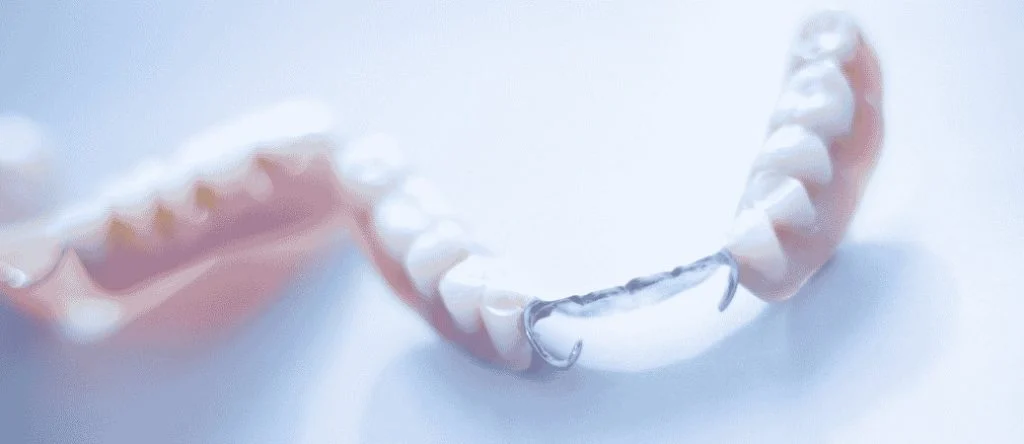
Losing a tooth can feel overwhelming, but choosing the right replacement doesn’t have to be. While dentures and bridges have been common solutions for years, they often come with limitations that can affect your daily life.
Dental implants stand out as the most natural tooth replacement option because they replace both the tooth root and crown, integrating directly with your jawbone to function exactly like your original teeth.
Unlike other replacement options that sit on top of your gums or rely on neighboring teeth for support, dental implants are the most natural tooth replacement option because they mimic your natural tooth structure completely.
The titanium post acts as an artificial root, while the custom crown matches your existing teeth perfectly. This unique design means you can eat, speak, and smile without worrying about slipping or discomfort.
When you choose dental implants, you’re investing in a solution that protects your oral health for years to come. Dental implants are the best choice for tooth replacement because they prevent bone loss, don’t affect healthy neighboring teeth, and can last a lifetime with proper care.
Your jawbone stays strong, your face keeps its natural shape, and you maintain full chewing power.
Key Takeaways
- Dental implants replace both the tooth root and crown, making them function exactly like natural teeth
- Unlike dentures or bridges, implants prevent jawbone loss and don’t damage healthy neighboring teeth
- With proper care, dental implants can last a lifetime while providing full chewing power and confidence
Why Dental Implants Are the Closest Match to Natural Teeth

Dental implants replace the entire tooth structure from root to crown, creating a complete restoration that functions just like your original teeth. The titanium post integrates with your jawbone while custom-made crowns match your existing teeth perfectly.
Mimicking the Structure and Function of Real Teeth
Unlike dentures or bridges, dental implants replace both the root and crown of your tooth. This complete replacement gives you the same structural integrity as natural teeth.
The titanium post acts as an artificial tooth root. It anchors deep into your jawbone, providing the same stability your original tooth had.
Key structural benefits:
- Root replacement: The titanium post mimics your natural tooth root
- Independent support: No reliance on neighboring teeth
- Complete restoration: Replaces the entire tooth structure
Your implant can handle the same biting forces as natural teeth. This means you can eat all your favorite foods without worry.
The implant stimulates your jawbone just like a real tooth root. This prevents bone loss that happens when teeth are missing.
How Custom-Made Crowns Blend Seamlessly
Modern dental implants are designed to look indistinguishable from natural teeth. Your dentist works with skilled lab technicians to create crowns that match perfectly.
Each crown is made specifically for your mouth. The lab considers your tooth’s exact shape, size, and color.
Custom crown features:
- Color matching: Blends with your existing teeth
- Shape precision: Matches your natural tooth contours
- Size accuracy: Fits perfectly in the space
Your dentist takes detailed impressions and photos. These help create a crown that looks completely natural.
The porcelain material reflects light just like tooth enamel. This creates the same translucent appearance as your real teeth.
The Role of the Titanium Post and Abutment
The titanium post is the foundation of your implant. Titanium is biocompatible, which means your body accepts it naturally.
The titanium implant fuses with surrounding bone tissue through osseointegration. This creates a stable base that won’t shift or move.
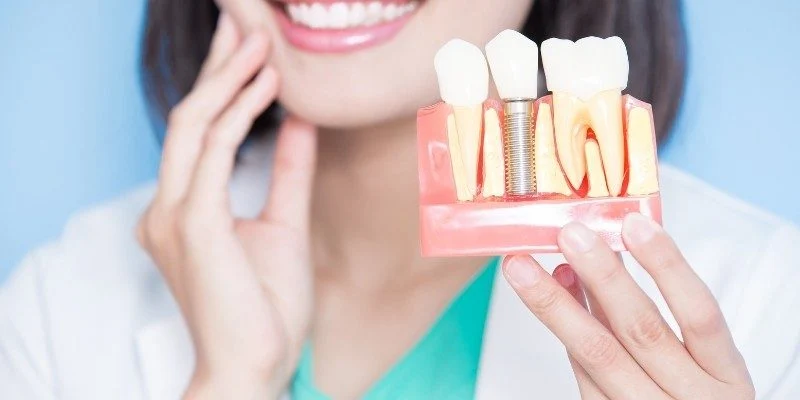
Three-part implant system:
- Titanium post: Screws into your jawbone
- Abutment: Connects the post to the crown
- Crown: The visible tooth replacement
The abutment serves as a connector piece. It attaches securely to the titanium post and supports your custom crown.
This three-part design more closely mimics the anatomy of a real tooth than dentures or bridges. Each component has a specific role in creating your new tooth.
The titanium post provides strength and stability. The abutment ensures proper crown placement and angle.
Unique Advantages Over Other Tooth Replacement Options
Dental implants offer distinct benefits that set them apart from traditional tooth replacement methods. They provide independent support without harming healthy teeth and deliver superior stability compared to removable options.
Comparing Dental Implants, Dentures, and Bridges
When you’re choosing between tooth replacement options, understanding the key differences helps you make the best decision for your situation.
Stability and Comfort Dental implants stay firmly in place because they fuse with your jawbone. You won’t experience the slipping or shifting that often happens with dentures. This means you can eat, speak, and laugh without worry.
Dentures rely on suction and adhesives to stay in place. They can move around in your mouth, especially when eating certain foods. This movement can cause sore spots and discomfort.
Maintenance Requirements
| Option | Daily Care | Special Products Needed | Lifespan |
| Implants | Regular brushing and flossing | None | Lifetime with proper care |
| Dentures | Remove and clean nightly | Adhesives, cleaning solutions | 5-10 years |
| Bridges | Brush and floss with special tools | Floss threaders | 10-15 years |
Eating Experience With implants, you can bite and chew with the same force as natural teeth. Dental implants offer numerous benefits compared to tooth replacement options, including superior stability and comfort.
Dentures limit your food choices because they reduce your chewing power by up to 50%. Hard or sticky foods become difficult to manage.
At Imagine Your Smile, Woodbury, MN, our consultants can help you decide which treatment is the best fit for you.
Stand-Alone Support Without Affecting Neighboring Teeth
One of the most important advantages of dental implants is that they don’t rely on your other teeth for support. This protects your remaining healthy teeth from unnecessary damage.
How Bridges Affect Adjacent Teeth Traditional bridges require grinding down the teeth on both sides of the gap. Your dentist must remove healthy tooth structure to create room for the crowns that anchor the bridge. This weakens these support teeth and makes them more prone to problems later.
Once you have a bridge, those anchor teeth carry extra load. They must support not only their own chewing forces but also the forces from the missing tooth area.
Independent Implant Support Dental implants work differently. Each implant acts as an individual tooth root that supports only its own crown. Your neighboring teeth remain completely untouched and unaltered.
This approach means you keep all your healthy tooth structure. Unlike dental bridges, which require the reduction of adjacent teeth, dental implants do not compromise the health of neighbouring teeth.
Long-term Oral Health Benefits When you replace missing teeth with implants, you can clean around each tooth normally. There are no special cleaning requirements or hard-to-reach areas under bridge work.
This makes it easier to maintain good oral hygiene. You reduce your risk of decay and gum disease in the surrounding teeth.
Preserving Jawbone Health and Preventing Bone Loss
Dental implants act like natural tooth roots by fusing with your jawbone through osseointegration. This process maintains bone density and prevents the facial sagging that happens when teeth are missing for long periods.
Stimulation of Jawbone Through Osseointegration
When you lose a tooth, your jawbone starts to shrink because it no longer gets stimulation from the tooth root. Dental implants prevent this bone loss by acting like natural roots.
The titanium implant post gets placed directly into your jawbone. Over 2-6 months, your bone cells grow around the implant in a process called osseointegration.
Radiographic studies of implants show that after the first year (where some bone remodeling happens), annual marginal bone loss is typically ≤ 0.2 mm for a stable implant.
This fusion creates a strong bond that stimulates your jawbone every time you chew or bite. The stimulation keeps your bone healthy and prevents it from breaking down.

Benefits of osseointegration include:
- Maintains bone density
- Provides stable foundation for crowns
- Prevents further tooth loss
- Keeps jawbone strong for decades
Other tooth replacement options like dentures and bridges sit on top of your gums. They cannot stimulate the jawbone the way implants do.
How Dental Implants Prevent Facial Changes
Missing teeth cause your jawbone to shrink over time. This bone loss leads to a sunken appearance that makes you look older than your actual age.
Dental implants preserve your facial structure by maintaining the bone that supports your cheeks and lips. Without this support, your face can collapse inward.
Facial changes from bone loss:
- Sunken cheeks
- Wrinkles around the mouth
- Shortened lower face
- Difficulty wearing dentures
Implants prevent these changes by keeping your jawbone at its normal size. The bone stimulation from implants maintains your natural facial height and shape.
Your lips and cheeks stay properly supported. This gives you a more youthful appearance compared to other tooth replacement options.
Bone Grafts and Suitability for Implants
Some people need bone grafts before getting implants. This happens when you have been missing teeth for a long time and your jawbone has already shrunk.
Bone grafting rebuilds jaw volume to make it strong enough to support an implant. The graft material encourages new bone growth in the treatment area.
Your dentist will take X-rays to check if you have enough bone for implants. If your jawbone is too thin, a bone graft can often solve the problem.
Common bone graft situations:
- Long-term missing teeth
- Gum disease damage
- Tooth extraction complications
- Natural bone thinning with age
The bone graft heals for several months before implant placement. While this adds time to your treatment, it ensures the best long-term results for your jawbone health.
Long-Term Durability and Easy Maintenance
Dental implants offer decades of reliable function with minimal upkeep required. Their titanium construction and simple care routine make them the most practical long-term solution for missing teeth.
Why Dental Implants Last a Lifetime
Your dental implants are built to last. With proper care, they can function for decades — with long-term studies showing implant survival rates of over 95% even after 20–40 years.
The titanium post fuses directly with your jawbone. This process creates a permanent foundation that won’t loosen or shift over time.
Key durability factors:
- Titanium construction: Resists corrosion and wear
- Bone integration: Creates stable, permanent attachment
- No decay risk: Implants can’t develop cavities
Other tooth replacement options need frequent updates. Bridges typically last 5-10 years before requiring replacement. Dentures need adjustments and replacements every few years.
Dental implants prove more cost-effective long-term despite higher initial costs. You avoid repeated procedures and ongoing replacement expenses.
The crown portion may need replacement after 10-15 years due to normal wear. However, the implant post itself remains permanently in place.
Simple Care for Implants and Oral Health
Caring for your implants takes the same effort as natural teeth. You brush twice daily and floss regularly to maintain healthy gums around the implant.
Daily care routine:
- Brush with fluoride toothpaste
- Floss around implant base
- Use antibacterial mouthwash if recommended
Regular dental checkups help maximize implant longevity. Your dentist monitors the implant and surrounding tissues for any issues.
Avoid habits that could damage your implants. Don’t chew ice, hard candy, or use teeth as tools. If you grind your teeth at night, wear a protective guard.
Good oral health protects your investment. Gum disease around implants can cause complications, so maintaining clean gums is essential.
The simple maintenance requirements mean fewer dental visits compared to other replacement options. You won’t need special cleaning solutions or adhesives like denture wearers require.
Restored Chewing, Confidence, and Quality of Life
Dental implants give you back the ability to eat your favorite foods and speak clearly in any situation. These benefits directly impact how comfortable and confident you feel in daily interactions with family, friends, and coworkers.
Enjoying a Wider Variety of Foods
Missing teeth make it hard to bite and chew many foods properly. You might avoid apples, nuts, or steaks because they’re too difficult to manage.
Dental implants restore your full chewing power, letting you eat whatever you want. Unlike dentures that can slip or cause pain, implants stay firmly in place when you bite down.
Foods you can enjoy again:
- Crunchy fruits and vegetables
- Nuts and seeds
- Chewy meats
- Corn on the cob
- Hard candies
This improved chewing ability means better nutrition too. You can eat a balanced diet with all the foods your body needs to stay healthy.
When you have gum disease or tooth loss, eating becomes a challenge. Implants solve this problem by acting just like your natural tooth roots.
Improved Speech and Comfort in Social Situations
Missing teeth affect how you talk. You might whistle when saying certain words or have trouble with sounds like “s” and “th.”
Loose dentures make speaking even harder. They can click, slip, or cause you to mumble your words.
Dental implants eliminate speech problems because they’re fixed securely in your jaw. You can speak clearly and confidently in any conversation.
Social benefits include:
- No worry about dentures falling out
- Clear pronunciation of all words
- Comfortable laughing and smiling
- Freedom to eat at restaurants
- Confidence during presentations or meetings
This boost in self-confidence changes how you interact with others. You’ll feel more relaxed at work events, family gatherings, and social activities.
Frequently Asked Questions
People often have specific questions about how dental implants work in daily life and what to expect from the process. Cost comparisons, potential side effects, and long-term benefits are common concerns when choosing this tooth replacement option.
What are the typical benefits of choosing dental implants for tooth replacement?
Dental implants offer several key advantages that make them stand out from other options. They can last a lifetime with proper care, making them a permanent solution.
Your jawbone stays healthy with implants because they stimulate natural bone growth. This prevents the bone loss that happens when teeth are missing.
Implants look and feel like natural teeth because they don’t slip or click when you talk, laugh, or eat. You can speak clearly without worrying about movement or slipping.
The implants preserve your face shape by filling gaps where teeth are missing. This keeps your natural facial structure intact over time.
Can dental implants function as well as natural teeth for everyday activities?
Yes, dental implants work just like your natural teeth for most daily activities. You can eat your favorite foods without worry because the implants stay firmly in place.
Speaking feels natural with implants since they don’t shift around in your mouth. You won’t experience the slurring or clicking sounds that can happen with dentures.
The titanium post fuses with your jawbone through a process called osseointegration. This creates a strong, permanent bond that mimics a natural tooth root.
You can brush and floss implants just like regular teeth. They require the same daily care routine you already follow.
What should one consider when comparing full mouth teeth replacement options?
Stability is a major factor when comparing full mouth options. Implants stay securely in place, while full dentures can slip during eating or speaking.
Comfort levels differ significantly between options. Full dentures may feel bulky and require adhesives, but implant-supported teeth feel natural.
Bone health preservation is unique to implants. Traditional dentures don’t prevent jawbone shrinkage that occurs after tooth loss.
Long-term costs vary between options. While implants cost more upfront, they typically last longer than dentures that need regular replacement.
What potential side effects should be kept in mind before getting a tooth implant?
Temporary swelling and discomfort are normal after implant surgery. These effects usually fade within a few days to a week.
Infection at the implant site is possible but rare when you follow proper aftercare instructions. Your dentist will provide specific cleaning guidelines.
Some people experience minor bleeding immediately after the procedure. This typically stops within 24-48 hours.
Nerve damage is an uncommon but serious risk, especially for lower jaw implants. Choose an experienced dentist to minimize this possibility.
Implant failure can occur if the titanium doesn’t properly fuse with your bone. This happens in less than 5% of cases.
How do the costs of different types of dental implants compare?
Single tooth implants typically cost between $3,000 and $5,000 per tooth. This includes the implant, abutment, and crown.
Multiple implant costs depend on how many teeth you’re replacing. Three or four implants can support a bridge for several missing teeth.
Full mouth implant options vary widely in price. All-on-4 treatments cost less than individual implants for every tooth.
Premium materials like zirconia implants cost more than standard titanium options. Your specific needs determine which material works best.
Insurance coverage varies by plan and provider. Many plans cover a portion of implant costs, especially when medically necessary.
What are some common concerns or disadvantages associated with dental implants?
The treatment process takes several months to complete. You need time for healing and bone integration between appointments.
Surgery is required for implant placement, which some people want to avoid. The procedure involves placing titanium posts into your jawbone.
Not everyone qualifies for dental implants. You need adequate bone density and healthy gums for successful treatment.
Smoking can interfere with healing and implant success. Your dentist may recommend quitting before starting treatment.
Maintenance requirements include regular dental checkups and daily cleaning. While similar to natural teeth, implants still need proper care to last.