If your partial denture has started slipping while you eat, rubbing sore spots into your gums, or just feels different than it used to, you’re not imagining it.
Mouths change over time, and an appliance that fit well a few years ago may not fit the same mouth today.
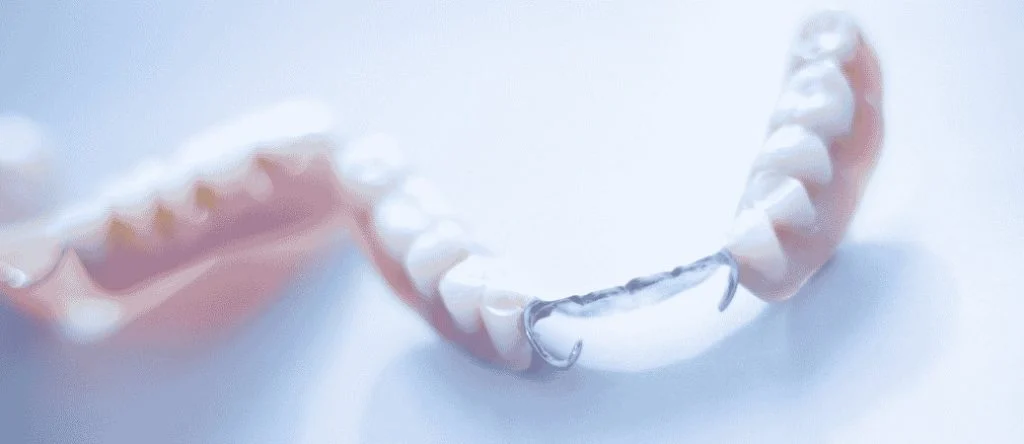
Partial dentures replace missing teeth by attaching artificial teeth to a frame that connects to your remaining natural teeth.
They’re a practical tooth replacement option for many people, but their fit and condition can change over time.
A failing removable partial denture may start slipping, causing sore spots, making chewing harder, or placing unwanted stress on the teeth that support it.
Knowing the difference between a minor adjustment and a sign your mouth needs a new approach can protect both your comfort and your oral health.
This gets confusing fast. A loose clasp might mean a quick repair, or it might mean the appliance is stressing your remaining teeth.
Sore gums might clear up with a reline, or they might be a signal that your bone and gum shape have shifted enough that a different kind of replacement makes more sense.
Key Takeaways
- Slipping, sore spots, and cracked clasps are common signs an older partial denture needs professional attention.
- Some problems call for a repair or reline, while repeated issues or damage to support teeth may point toward a fixed alternative like a bridge or implant-supported option.
- A clinical exam of your teeth, gums, and jawbone is the only reliable way to know which path fits your mouth.
Warning Signs a Partial Is No Longer Working
A partial denture that no longer fits well tends to announce itself through discomfort, instability, or visible damage.
The most common complaints are looseness, sore spots, trouble chewing or speaking clearly, and physical damage like cracks or broken clasps.
Each of these has a specific cause worth understanding before you decide what to do next.
What Does a Loose or Unstable Partial Denture Mean?
A partial that shifts, rocks, or slips while you talk or eat usually means the fit no longer matches your mouth’s current shape. This is one of the most common signs that dentures need attention.
Your gums and the bone underneath them change shape gradually, even when your remaining teeth stay healthy, so a frame built for your mouth years ago may sit differently now.
Looseness isn’t just annoying. It can lead to repeated rubbing against soft tissue, which sets up the next problem on this list.
Why Do Sore Spots, Gum Irritation, and Bad Breath Matter?
Sore spots and gum irritation mean pressure is landing somewhere it shouldn’t. An ill-fitting partial can press unevenly on tissue, causing inflammation, ulcers, or persistent tenderness that doesn’t resolve on its own.
Left alone, this pressure can also create small pockets where food and bacteria collect, contributing to bad breath that brushing alone won’t fix.
Persistent gum pain is not something to work around with denture adhesive indefinitely. It’s a signal worth bringing to a dental visit sooner rather than later.
When Difficulty Chewing or Speech Changes Signal a Problem
Struggling to chew certain foods or noticing your speech sounds different usually means your bite alignment has changed.
When a partial no longer seats properly, it throws off the way your upper and lower teeth meet, making it harder to bite down evenly or pronounce certain sounds clearly.
Many people start avoiding foods they used to enjoy without realizing the denture fit is the reason.
How Cracks, Broken Clasps, and Worn Artificial Teeth Affect Function
Visible damage like cracks, broken clasps, or worn-down artificial teeth directly undermines how the appliance functions.
A cracked base can flex in ways it shouldn’t, a broken clasp loses its grip on the support tooth, and worn artificial teeth stop meeting your natural teeth the way they were designed to.
Damaged dentures can also harbor bacteria in the cracks, which adds a hygiene concern on top of the functional one.
Why an Older Partial Can Put Remaining Teeth at Risk
An aging partial denture doesn’t just become less comfortable, it can gradually put stress on the natural teeth and jaw structures it depends on.
The three biggest risks come from bone changes underneath the appliance, clasps that no longer distribute force properly, and bite problems that affect the jaw joint.

How Bone Resorption Changes the Fit of a Partial
Bone resorption is the gradual loss of jawbone that happens after teeth go missing, and it’s a major reason older partials stop fitting well. Once a tooth is gone, the bone that used to support its root no longer gets the stimulation it needs, so it slowly shrinks.
This is a normal, well documented part of tooth loss, but it means the gum ridges under your partial keep changing shape years after your original fitting.
A frame built for one bone contour will sit differently as that contour changes, which is why relines and remakes become part of long-term partial denture care.
Why Failing Clasps Can Strain Support Teeth
Failing clasps put uneven pressure on the natural teeth they grip, which can loosen or damage those teeth over time. Removable partial dentures have been linked to damage in the remaining dentition when treatment isn’t monitored closely.
A clasp that’s worn, bent, or too tight forces your support teeth to absorb stress they weren’t designed to handle alone.
This is one reason dentists recommend regular dental visits for anyone wearing a partial, even when nothing feels obviously wrong.
How an Uneven Bite Can Contribute to Jaw and TMJ Discomfort
An uneven bite caused by a shifting or worn partial can contribute to jaw pain and TMJ discomfort. Your jaw joint depends on your teeth meeting evenly to function without strain, and a partial that no longer sits correctly can throw that balance off.
Over time, this can show up as clicking, soreness, or tension near the jaw joint, which is worth mentioning at your next dental visit rather than managing with denture adhesive alone.
Can Your Partial Be Repaired, Relined, or Replaced?
Whether your partial needs a repair, a reline, or a full replacement depends on what’s actually wrong with it, not just how old it is. A small crack or one broken clasp often has a straightforward fix.
A partial that no longer matches your gum shape or keeps breaking despite repairs is telling you something different.
When Professional Denture Repair May Be Enough
Professional denture repair works well for isolated problems like a cracked base, a broken tooth, or a single failed clasp.
Partial dentures are commonly made from acrylic resin, which is repairable material, and most clasp or tooth repairs are simple procedures for a dental lab.
If your partial fits well otherwise and the damage is limited, a professional denture repair service can often get you back to normal quickly.
When a Denture Reline Can Restore Comfort

A denture reline resurfaces the part of the denture that touches your gums, restoring a snug fit as your gum shape changes.
Relining is a routine part of partial denture maintenance and can improve comfort and hygiene without replacing the whole appliance.
This works best when the frame and clasps are still in good shape and only the fit against your gums has changed.
When Repeated Denture Repairs Point to a New Partial
Needing repairs again and again is a sign the appliance itself has reached the end of its useful life. If you’ve had multiple denture repairs in a short span, or if a reline no longer solves the fit problem, a new partial or a different kind of replacement is worth discussing.
Partial dentures generally last five to seven years, though this varies with oral habits and bone changes.
Why At-Home Repairs and Household Glue Are Risky
Household glue and do-it-yourself fixes can damage a partial beyond what a professional can repair.
Many adhesives are not safe for use in the mouth and can distort the fit permanently, turning a simple fix into a full denture replacement. A quick call to your dentist is safer than reaching for the toolbox drawer.
Fixed Alternatives to a Removable Partial
Fixed alternatives replace missing teeth without clasps or a removable frame, using either a dental bridge or an implant-supported partial anchored in the jawbone.
Both options stay in place all day, which appeals to people who are tired of adjusting a loose partial or worrying about it during meals.
Could a Fixed Dental Bridge Replace Missing Teeth?
A fixed dental bridge can provide a stable way to replace one or more missing teeth by supporting artificial teeth with appropriately selected neighboring teeth.
A fixed bridge may require the adjacent teeth to be prepared and shaped to hold the new structure, which is a tradeoff worth discussing with your dentist if those teeth are otherwise healthy.
When an Implant-Supported Partial May Be an Option
An implant-supported denture replaces missing teeth using one or more dental implants placed directly in the jawbone, rather than relying on clasps attached to natural teeth.
Because implants function like natural tooth roots, they can help preserve the jawbone and reduce the strain that clasps place on remaining teeth.
This option can work well for people who still have healthy remaining teeth but want a more stable, natural tooth replacement that doesn’t depend on those teeth for support.
| Feature | Removable Partial | Fixed Bridge | Implant-Supported Partial |
| Stays in place while eating | No | Yes | Yes |
| Requires shaping natural teeth | No | Often, yes | No |
| Helps prevent bone loss | No | No | Yes |
| Removed for cleaning | Yes | No | No |
| Typical lifespan | 5 to 7 years | Varies by case | Varies by case |
How a Dentist Evaluates Your Teeth, Gums, and Bone for Fixed Treatment
A dentist checks the health of your remaining teeth, the condition of your gums, and the amount of jawbone available before recommending a fixed option.
This exam determines whether your mouth can support a bridge, an implant, or whether a well-fitted removable partial still makes sense for now.
At Imagine Your Smile in Woodbury, MN, Dr. Mark W. Wilhelm can evaluate the condition of your remaining teeth, gums, jawbone, bite, and current partial before discussing whether repair, replacement, or a fixed tooth replacement option may be appropriate.
Choosing a More Stable Long-Term Tooth Replacement

The right long-term choice depends on the condition of your remaining teeth, your gum health, and how much bone is still available to support treatment.
There’s no single answer that fits every mouth, but there is a clear process for finding yours: track how your current partial dentures are performing, bring changes to your dental visits promptly, and ask direct questions about denture replacement versus fixed alternatives.
Regular dental visits matter more as a partial age, since small fit changes are much easier to manage early than after they’ve caused sore spots or strain on support teeth.
If you’re weighing your options, a dental evaluation can show whether your current partial still has a reasonable repair path or whether a different tooth replacement approach would provide better stability.
The team at Imagine Your Smile treats this as an ongoing conversation rather than a one-time decision, since oral health needs shift over the years.
Whatever you choose, the goal stays the same: a comfortable, functional way to chew, speak, and smile without daily worry about your appliance.
Frequently Asked Questions
How do I know if my partial denture needs repair or replacement?
Isolated damage like a single cracked tooth or one loose clasp often just needs a repair. Repeated problems, a fit that no longer matches your gums, or damage to the teeth supporting your clasps usually point toward replacement, which a dental exam can confirm.
Can a fixed bridge replace my removable partial denture?
A fixed bridge can replace a removable partial in many cases, especially when the neighboring teeth are healthy enough to support it. Your dentist will check whether those teeth can be safely prepared to anchor a bridge before recommending this option.
Are dental implants an option if I still have some natural teeth?
Yes, dental implants can work alongside remaining natural teeth through an implant-supported partial. This approach places new tooth roots in the jawbone instead of relying on clasps attached to your existing teeth, which can reduce strain on those teeth over time.
Why does my partial denture suddenly feel loose?
A partial usually feels loose because your gums and jawbone have changed shape since your last fitting, a natural process called bone resorption. Worn clasps or a warped denture base can also cause sudden looseness, so it’s worth having the fit checked rather than waiting it out.
How long do partial dentures usually last?
Partial dentures generally last five to seven years, though this varies with oral hygiene, bone changes, and how well the appliance is maintained. Regular dental visits help catch fit problems early, which can extend how comfortably a partial performs before replacement becomes necessary.