Choosing between denture implants and traditional dentures can feel overwhelming. Denture implants offer more stability and help protect your jawbone, while traditional dentures are usually less expensive and easier to get.
Both options replace missing teeth, but they work in very different ways. Your comfort and daily use will vary depending on which option you pick.
Denture implants are fixed in place and feel more like natural teeth. Traditional dentures rest on your gums and may need adhesives.
Knowing how each affects your oral health can help you make a decision that fits your lifestyle and budget.
Key Takeaways
- Denture implants provide better stability and support for your jaw.
- Traditional dentures are more affordable and require no surgery.
- Your choice depends on comfort, cost, and how you want to care for your teeth.
Core Differences Between Denture Implants and Traditional Dentures
When choosing between denture implants and traditional dentures, it’s important to understand how each works, their design, and the materials used. These factors affect comfort, stability, and how natural they feel.
How Traditional Dentures Work

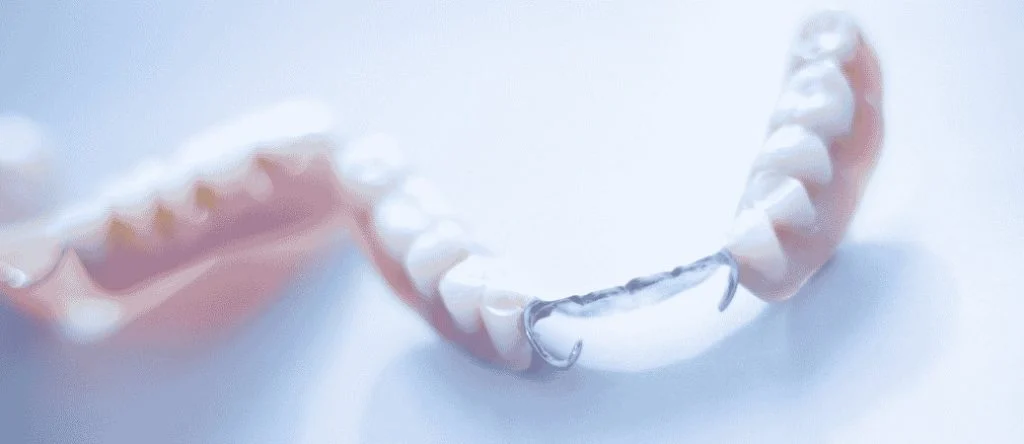
Traditional dentures rest directly on your gums. They don’t attach to your bone or teeth.
To stay in place, they often need adhesives or suction. These dentures can be full or partial, depending on how many teeth you need to replace.
They are removable, which makes cleaning easier but can cause slipping when you eat or talk. Because traditional dentures don’t connect to your jawbone, they don’t stop bone loss.
Over time, the shape of your gums and jaw can change, making your dentures fit less securely and causing discomfort.
Design of Implant-Supported Dentures
Implant-supported dentures use dental implants anchored into your jawbone. These implants act like natural tooth roots, holding the dentures firmly in place.
The implants prevent slipping and make your denture feel more stable and natural. You can eat harder foods and speak without worrying about your dentures moving.
These dentures may require surgery to place the implants, but the fit is more secure and comfortable. They also help maintain your jawbone, preventing shrinkage and bone loss.
Material and Technology Advancements
Traditional dentures are usually made from acrylic or resin, materials that can wear down or break over time. Implant-supported dentures combine these materials with titanium implants, which fuse with your bone.
This technology provides greater strength and durability. Advances in implant design also improve appearance and function.
Modern implants can closely match your natural teeth’s look and feel, making your smile more confident and natural.
Comparing Comfort, Stability, and Everyday Function

Choosing between denture implants and traditional dentures means thinking about how they feel, how secure they are, and how well you can live your daily life with them. Comfort, stability, and function impact things like eating, speaking, and your overall confidence.
Fit and Bite Force
With traditional dentures, the fit relies on suction and sometimes adhesives. This means they can slip or move, especially when you chew or talk.
You might notice the denture shifting, which can cause discomfort or sore spots. Over time, changes in your gums or jawbone can make dentures looser.
Implant-supported dentures attach firmly to implants anchored in your jawbone. Because of this, they stay in place better and provide stronger bite force.
This makes eating easier and more natural. The implants also help keep your jawbone healthy, which supports a consistent fit over time.
Eating and Food Choices
Eating with traditional dentures can be tricky. Sticky or hard foods often cause dentures to slip or feel uncomfortable.
This might make you avoid certain meals or change your diet. The chewing power with traditional dentures is weaker compared to natural teeth.
With implant-supported dentures, your bite is stronger and more stable. You can enjoy a wider variety of foods without worrying about your dentures moving.
Chewing feels more natural because the dentures snap into place on the implants. This means you can confidently eat meat, crunchy vegetables, and other tougher foods that might be challenging with regular dentures.
Speech and Everyday Confidence
Traditional dentures might affect your speech because they can shift as you talk. You may need to practice speaking clearly, especially soon after getting dentures.
If your dentures slip, it can make you feel less confident in social situations. Implant-supported dentures offer more stability, which helps keep your speech clear.
Since they don’t move around, you won’t worry as much about clicking sounds or slippage. This stability often boosts your confidence when talking, laughing, or eating out with others.
Oral Health Impact and Bone Preservation

Your choice between denture implants and traditional dentures affects more than just how you chew or smile. It also plays a big role in keeping your jawbone strong and protecting your overall oral health.
Bone Loss and Jawbone Health
When you lose teeth, your jawbone no longer gets the signals it needs to stay healthy. Traditional dentures rest on your gums but don’t provide this important stimulation.
This can cause the bone under your gums to shrink over time, leading to changes in facial shape and a poorer fit for your dentures. Denture implants are different.
They are anchored into your jawbone, acting like natural tooth roots. This helps keep your jawbone active and strong.
The process called osseointegration connects the implant to the bone, preventing bone loss and preserving your jaw’s shape longer.
Effects on Long-Term Oral Health
Regular dentures restore your ability to eat and speak but may cause oral health problems as bone loss progresses. The shrinking bone can make dentures loose and uncomfortable, requiring frequent adjustments or replacements.
Implants help avoid these issues. Because they bond with your jawbone, they provide stable support.
This stability improves chewing power, helping you eat a wider variety of foods confidently. Implants also lower the risk of gum irritation and infections that come from unstable dentures rubbing on your gums.
Prevention of Further Tooth Loss
After tooth loss, your remaining teeth can shift, which may lead to more dental problems. Traditional dentures don’t stop this movement because they don’t replace the tooth root.
Denture implants, on the other hand, support your jawbone and reduce the chance of other teeth moving out of place. By mimicking natural teeth, they help keep the rest of your mouth healthy and stable.
Treatment Process and Considerations
Getting implants or dentures involves different steps that affect your timeline and experience. You’ll go through exams, possible surgeries, and healing periods before your new teeth are ready.
These steps ensure your new teeth fit well and stay secure.
Initial Assessment and Candidacy
Your dentist will first check your oral health and jawbone condition. They need enough bone to support implants safely.
If your jawbone is weak or thin, implants might not be possible without extra procedures. You’ll also discuss your medical history to make sure surgery is safe for you.
Certain conditions or medications may affect your healing. For traditional dentures, the assessment focuses on your gum health and mouth shape.
Dentures can usually fit most people but may feel less stable without good bone support.
Implant Surgery and Placement
Implant surgery involves placing small titanium posts into your jawbone. This is done in a few appointments.
The posts act like roots and hold your new teeth firmly. After placing implants, you need to wait a few months while your bone grows around the posts.
This process, called osseointegration, makes the implants stable. Once healed, your dentist attaches crowns, bridges, or implant-supported dentures to the implants.
You’ll need some follow-up visits to check healing and fit.
Bone Grafting and Surgical Risks
If your jawbone lacks enough volume, you may need bone grafting. This surgery adds bone material to strengthen your jaw.
It usually happens before implant placement and requires extra healing time. Surgical risks include infection, swelling, or damage to nearby nerves.
Your dentist will discuss these risks and take steps to reduce them. Traditional dentures don’t require surgery but may cause gum soreness, especially during the adjustment period.
They also need regular care to avoid irritation or infection.
Cost Comparison, Maintenance, and Long-Term Value
When you think about replacing teeth, the costs and upkeep over time really matter. You’ll want to weigh what you pay upfront, how often things need fixing or changing, and the day-to-day care involved.
These factors affect how much value you get from dentures, dental implants, or implant-supported dentures.
Upfront and Continuing Expenses
Dentures usually cost less upfront, with basic sets starting around $1,200 to $3,000. Premium options can reach $7,000 to $15,000.
However, if you need extractions or immediate dentures, expect to add a few hundred to a few thousand dollars. Dental implants have a bigger initial price.
For example, individual implants may run $3,000 to $5,000 per tooth. Full mouth solutions like All-on-4 cost $18,000 to $25,000 per arch.
Implant-supported dentures fall in between, around $8,000 to $15,000 per arch. While implants can seem expensive at first, they usually cost less over time because they need less repair and fewer replacements compared to dentures.
Replacement Cycles and Lifespan
Dentures generally need replacing every 5 to 7 years because they wear out or no longer fit well. This aligns with data from the American Dental Association, which notes that most complete dentures last around 7–10 years before needing a full replacement. You’ll also pay for relines every 1 to 3 years to keep them comfortable, typically $200 to $600 per arch, as the shape of your gums continues to change over time.
Because dentures loosen as your jawbone shrinks, repairs and adjustments are common. In fact, about 15% of denture wearers in the U.S. get new dentures each year, which contributes to ongoing maintenance costs.
Implants, on the other hand, last significantly longer. A well-made implant can stay in place for 20 years or more, and research shows they have a long-term success rate of about 90–95% over 10 years, with many lasting even longer. All-on-4 implants typically need only one prosthetic replacement after 12–15 years.
Because implants don’t wear down like dentures and help maintain your jawbone, their durability means fewer replacements and far less long-term hassle.
Daily Care and Professional Visits
Dentures require daily cleaning and special products like adhesives to keep them secure. You might spend $200 to $400 annually on adhesives and cleaning supplies.
Professional visits for denture wearers often include cleanings and adjustments, costing several hundred dollars each year. Over time, these small costs add up.
With dental implants, care is more like taking care of natural teeth. Brushing and flossing regularly keeps them healthy.
You’ll still need professional check-ups and cleanings, but these visits tend to be simpler and less frequent than denture adjustments. This simpler maintenance matters when you think about how much time and money you spend each year caring for your teeth.
Who Should Choose Denture Implants or Traditional Dentures?
Choosing between denture implants and traditional dentures depends on several key factors like your daily habits, health, and budget. Each option has unique benefits and considerations that affect how well they fit your needs.
Lifestyle and Health Factors
If you lead an active lifestyle, denture implants can offer more stability and comfort. They attach directly to your jawbone, letting you eat harder foods without worry.
This helps keep your bite strong and supports your jawbone health over time. Traditional dentures sit on your gums and may shift when you talk or eat.
They require daily removal for cleaning and might need adhesives to stay in place. This can be less convenient if you’re busy or want to avoid extra care steps.
Your overall oral health matters too. Denture implants need enough jawbone density to support the implant posts.
If your bone is weak, traditional dentures might be easier to start with until you improve bone health through treatments like grafting.
Suitability by Age or Health Condition
Age alone doesn’t decide which option is best for you. Healthy older adults with enough bone can benefit from denture implants for long-term use.
If you have medical conditions that make surgery risky, traditional dentures are a safer choice. If you have significant bone loss or gum problems, traditional dentures usually fit better at first.
Denture implants may require extra procedures like bone grafts, which add healing time and cost. Dental implants need surgery and time to heal, so your health status and healing ability affect whether implants are viable.
Traditional dentures avoid surgery and let you restore function faster.
Balancing Budget with Desired Outcomes
Traditional dentures are usually less expensive upfront. A full set costs around $1,600 on average.
They often need replacing or adjusting every 5 to 10 years. Denture implants cost more per tooth—between $1,600 and $2,200+—but can last 20 years or more.
They may save you money over time by preventing bone loss and reducing ongoing maintenance expenses. There are hybrid choices, too, like implant-supported dentures.
These anchor dentures to a few implants, so you get more stability than traditional dentures without the full cost of all implants.
Frequently Asked Questions
There are many factors to consider when choosing between denture implants and traditional dentures. This includes how they feel, cost differences, suitability for different ages, and what to expect before getting implants.
What are the pros and cons of denture implants compared to traditional dentures?
Denture implants offer a stable and secure fit because they are anchored into your jawbone. This prevents slipping and feels more natural when you eat or speak.
Traditional dentures are easier to get and generally cost less upfront. But they can slip, may need adhesives, and might cause bone loss over time.
How do the costs of denture implants differ from traditional dentures?
Traditional dentures usually cost around $1,000 and are more budget-friendly at first. Denture implants cost more initially because of surgery and materials.
However, implants last longer and may save you money over time since they don’t need frequent replacements or adjustments.
Are denture implants a good option for elderly patients?
Yes, denture implants can be a good choice for many elderly people. They help keep the jawbone healthy and improve chewing and speaking.
Still, your overall health and bone condition need to be checked before implants are done. Your dentist will advise if this option suits you.
What should one know before opting for dental implants?
Getting dental implants involves a minor surgery to place titanium posts in your jawbone. The area needs time to heal and fuse with your bone before dentures attach.
You should be prepared for some healing time, possible discomfort, and the higher cost compared to traditional dentures.
What is the cost difference between snap-in dentures and traditional implants?
Snap-in dentures, also called implant-supported dentures, connect to a few implants and cost less than full dental implants for every tooth.
Traditional implants replace each missing tooth with its own implant, making them more expensive but very permanent.
How do implant-supported dentures compare to the All-on-4 treatment concept?
Both provide fixed teeth with strong support from implants. Implant-supported dentures use multiple implants but can be removed for cleaning.
The All-on-4 method uses four strategically placed implants to hold a full set of teeth permanently. This can be more stable but less flexible in removal.