Losing a tooth might seem minor, especially if it’s not easily visible. But not replacing a missing tooth can lead to serious problems like shifting teeth, bone loss, and changes in your bite that affect how you eat and speak.
These issues can affect your smile, your health, and even your confidence.
When a tooth is gone, nearby teeth may move into the empty space, causing your bite to become uneven. Without proper support, your jawbone can weaken over time.
This can make chewing harder and even cause your face to look older. Taking care of a missing tooth early helps prevent these troubles.
You have options to fix a missing tooth, including implants, bridges, or dentures. Choosing the right solution can protect your oral health and keep your smile strong.
Key Takeaways
- Missing teeth can cause your other teeth to shift and your bite to change.
- Jawbone health weakens without the support of a tooth root.
- Replacing missing teeth helps maintain chewing ability and confidence.
Immediate and Long-Term Oral Health Risks
Missing a tooth can lead to several serious changes in your mouth. These changes affect how your teeth line up, how your jaws feel, and your chances of developing other dental problems.
Knowing what might happen can help you take care of your smile better.
Shifting and Misalignment of Teeth
When a tooth is missing, the nearby teeth start to move toward the gap. This shifting changes how your teeth fit together.
Your bite can become uneven because the teeth no longer line up correctly. This movement can cause spaces that are hard to clean, making it easier for plaque and bacteria to build up.
Over time, this can weaken the surrounding teeth and gums. You might notice your teeth feeling loose or even see changes in your smile’s shape.
If teeth continue shifting, it can make chewing harder and wear down your other teeth unevenly.
Bite Problems and Jaw Discomfort
When your teeth don’t meet properly, your bite changes. This puts extra pressure on parts of your mouth like your jaw joints.
You may start to feel pain or stiffness in your jaw. These jaw joints are called the temporomandibular joints (TMJ).
Problems with your bite caused by missing teeth can lead to TMJ issues. You might experience headaches, jaw clicking, or difficulty opening your mouth.
If the jaw muscles get strained, you could have chronic discomfort that affects your daily life.
Increased Risk of Tooth Decay and Gum Disease
Without a tooth, the surrounding areas in your mouth can become harder to keep clean. Food particles and plaque tend to gather in the gaps left behind.
This buildup increases your chances of tooth decay on nearby teeth and can cause gum inflammation. If gum disease starts here, it can lead to more serious problems like gum recession and infection.
Your gum tissue also loses support without the tooth, which makes these issues worse. Missing teeth can make brushing and flossing less effective, raising the risk of cavities and gum disease.
Bone Loss and Jawbone Deterioration
When you lose a tooth and don’t replace it, your jawbone can start to weaken. This happens because the bone no longer gets the stimulation it needs.
Over time, this can lead to changes in your mouth and even affect how your face looks.
Loss of Jawbone Density
Your jawbone relies on the pressure and movement from chewing to stay strong. When a tooth root is missing, that bone is no longer stimulated. Without this activity, the bone starts to shrink. This process is called bone resorption.
Research shows that after a tooth extraction, the jawbone can lose approximately 30–60% of its bone volume within six months if the tooth is not replaced. Bone loss can begin just a few months after losing a tooth and continues to progress over time.
As a result, your jawbone becomes less dense and weaker. This not only impacts your oral health but also makes it harder to get treatments like dental implants later, since the bone may no longer provide enough support without additional procedures such as bone grafting.
Consequences of Missing Tooth Roots
The root of a tooth does more than hold teeth in place. It also signals your jawbone to maintain its strength when you chew.
Without a tooth root, your body stops sending bone-building materials to that area. This lack of stimulation causes the jawbone to shrink and change shape.
As the bone deteriorates, nearby teeth can shift or loosen. The missing tooth spot may become less stable, creating more dental problems if left untreated.
Changes in Facial Structure and Appearance
When the jawbone loses volume, it affects the overall shape of your face. Without enough bone to support your cheeks and lips, your face can begin to look sunken or older.
These changes are often gradual but noticeable over time. Bone loss can also cause your bite to change, making it harder to chew properly.
It might even affect your speech. Replacing the tooth root with dental implants can help keep your facial structure stable and prevent these issues.
If you’re noticing facial changes after tooth loss, a dental consultation in Woodbury, MN can help you explore options to protect your smile and jawbone health.
Difficulties in Chewing, Nutrition, and Digestion
Missing a tooth can change how you eat and digest food. It may cause you to chew less effectively, avoid certain foods, and face problems with digestion and nutrition.
These changes affect not only your oral health but also how your body uses nutrients.
Chewing Challenges and Dietary Limitations
When you lose a tooth, chewing becomes harder. Your mouth may shift the work to the remaining teeth, which can cause uneven pressure.
This often makes chewing certain foods painful or impossible. You might find yourself avoiding hard or crunchy foods like nuts, raw vegetables, or tough meat.
This limits your food choices and can lead to eating softer, less nutritious options such as processed foods or sweets.
Common results of chewing difficulties:
- Uneven chewing wear on teeth
- Increased jaw discomfort
- Avoidance of fiber-rich and protein-rich foods
These changes can hurt your oral health and your overall enjoyment of meals.
Digestive Issues Due to Inadequate Chewing
Teeth play a key role in breaking food down into small pieces for smooth digestion. If you don’t chew well, larger pieces of food enter your stomach, making digestion harder.
Poorly chewed food can cause digestive problems like bloating, gas, and indigestion. Your body also struggles to absorb nutrients fully when food isn’t properly broken down in the mouth.
Digestive discomfort may increase as you compensate by eating softer, less fibrous foods that don’t help the digestive system stay healthy.
Replacing missing teeth helps restore proper chewing function, improving digestion and reducing stomach issues.
Nutritional Deficiencies from Food Avoidance
Skipping certain foods because of chewing pain or difficulty can lead to nutritional gaps in your diet. Foods rich in fiber, vitamins, and minerals often require more chewing effort.
For example, avoiding raw fruits and vegetables can reduce your intake of vitamin C and other essential nutrients. Steering clear of protein sources like meat or nuts cuts back important building blocks for your body and muscles.
This selective eating can weaken your immune system and overall health. In some cases, nutrition problems may worsen existing oral or systemic health conditions.
To avoid this, it’s important to replace missing teeth to maintain a balanced diet full of nutrients your body needs to function well. More details on nutrition and missing teeth are discussed here.
Effects on Speech, Confidence, and Social Interaction
Missing a tooth can change how you speak, how you feel about yourself, and how you interact with others. These changes may seem small at first but can affect your daily life and relationships in important ways.
Speech Difficulties and Articulation Issues
When you lose a tooth, especially in the front, it can become harder to say certain words clearly. Teeth help guide your tongue and lips to form sounds.
Without a tooth, air may escape differently, causing a lisp or unclear speech. You might find it tough to pronounce sounds like “s,” “th,” or “f.”
This can make talking feel frustrating because others might not understand you easily. Over time, this difficulty may make you avoid conversations or speaking in public.
Replacing the tooth can help restore normal speech patterns and make it easier to express yourself clearly again. Not fixing the gap can affect how well you communicate with others in daily life.
Impact on Confidence and Self-Esteem

A missing tooth can affect how you see yourself. You might feel embarrassed about your smile or worry that others notice the gap.
This can lower your confidence and make you less willing to smile or laugh openly. Feeling self-conscious may lead you to cover your mouth when talking or avoid photos.
These habits can affect your mood and make social situations less enjoyable. Knowing that you have a solution to restore your smile can boost your self-esteem.
Reduced Social Interaction
When your speech is affected, and you feel less confident, it may change how often you socialize. You might skip social events or limit conversations to avoid discomfort or embarrassment.
People with missing teeth can feel anxious or shy in group settings. This can lead to isolation, which affects your mental health and quality of life.
Replacing your missing tooth can help you regain confidence and speak clearly, making social interactions easier and more enjoyable.
For more on how gaps in your teeth impact social life and health, see what happens if you don’t replace a missing tooth.
Consider speaking with a Woodbury, MN dentist to see how replacing a missing tooth can support confidence and everyday interactions.
Tooth Replacement Options and Benefits
When you lose a tooth, choosing the right way to replace it is important for your oral health and comfort. Different options offer unique benefits, from restoring how you chew and speak to protecting your jawbone and nearby teeth.
Understanding these choices can help you decide what fits best for your needs.
Dental Implants and Their Advantages
Dental implants are small metal posts placed into your jawbone to act like tooth roots. They provide a strong base for crowns that look and work like real teeth.
Because implants fuse with your bone through a process called osseointegration, they help keep your jawbone healthy and prevent bone loss over time. With implants, you don’t need to change your other teeth.
They stay secure and don’t slip, letting you eat all kinds of foods without worry. Cleaning them is just like brushing your natural teeth.
Plus, implants can last for many years, sometimes a lifetime, with proper care.
Bridges and Partial Dentures Compared
Bridges fill the gap by attaching a false tooth to the neighboring teeth. To place a bridge, your healthy adjacent teeth must be filed down, which can weaken them.
Bridges don’t stop bone loss under the missing tooth. They usually need replacement every 5 to 15 years.
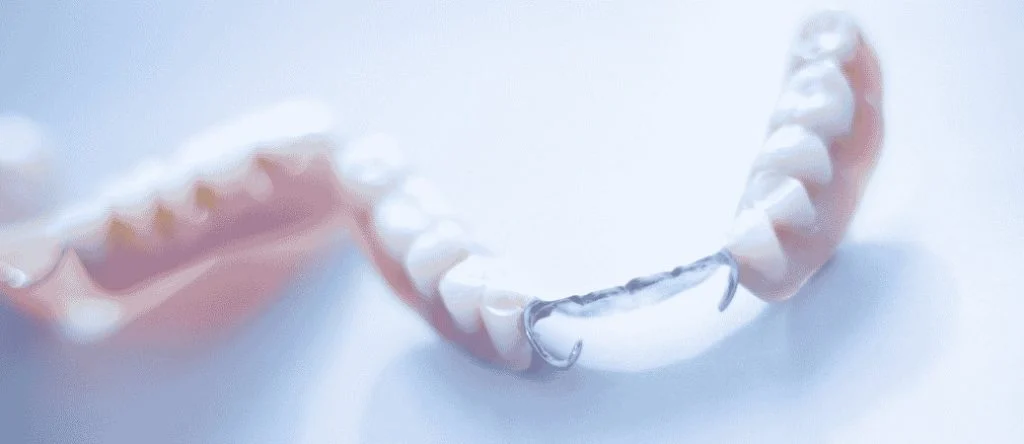
Partial dentures are removable pieces that replace several teeth. They rest on your gums and need regular cleaning.
Sometimes adhesive is needed to keep partial dentures in place. Unlike implants, they don’t prevent bone loss.
Your jaw shape can change, requiring adjustments or new dentures over time. Partial dentures may be a quicker, less costly option for replacing missing teeth.
Benefits of Early Tooth Replacement

Replacing a missing tooth quickly helps keep your smile strong and healthy. When you wait, nearby teeth can shift or tilt into the gap, causing problems with your bite and making your teeth harder to clean.
This increases risks for cavities and gum disease. Early replacement also protects your jawbone.
Without a tooth or implant to stimulate the bone, it starts to shrink, which can affect how your face looks. You can avoid these issues by acting soon after tooth loss.
Early action matters. A Woodbury, MN dental consultation can help you protect your bite and jawbone before complications start.
Frequently Asked Questions
How long is too long to go without replacing a missing tooth?
The longer you wait, the more likely you are to face bone loss and movement of nearby teeth. Bone loss starts soon after a tooth is lost, so replacing it within a few months is best to keep your jaw healthy and avoid more complex treatments later.
Are there any cost-effective ways to address a missing tooth?
Yes, options like partial dentures or dental bridges can be more affordable than implants. These solutions help restore function and appearance but might need replacement or adjustment over time.
What are the potential consequences of having a tooth removed but not replaced?
If you don’t replace the tooth, your adjacent teeth can shift into the gap. This can lead to misalignment, bite problems, and increased risk of decay and gum disease.
The jawbone under the missing tooth may also shrink because it isn’t stimulated.
Can not replacing a single tooth affect your facial structure?
Yes. Without the tooth, bone loss can change the shape of your jaw and lead to a sunken or collapsed appearance around your mouth.
This can make your face look older and affect how your lips and cheeks appear.
What options exist for managing discomfort associated with a missing tooth?
You can try soft foods and avoid chewing hard on the missing tooth side. Dentists may offer temporary solutions like flippers or temporary dentures to protect the area and reduce irritation while you decide on a permanent fix.
If you’ve had a missing tooth for an extended period, what should you consider?
You might need additional treatments such as bone grafting before getting implants.
It’s important to visit your dentist to evaluate bone health and discuss all replacement options suited for your situation.