Getting a dental implant might sound simple, but sometimes your jawbone needs extra help first. When there isn’t enough strong bone to hold the implant, a bone graft can rebuild and strengthen the area.
A bone graft adds new bone to your jaw so that your dental implant has a solid foundation. The process involves placing bone material where your jawbone is weak or missing.
This helps your body grow new bone and makes sure your implant will fit securely and last a long time. Knowing what to expect before, during, and after the graft can help you feel more confident about the entire journey.
Understanding how bone grafting works and why it’s important will help you get the best results from your implant. You’ll learn about the healing time and what you can do to take care of yourself after the procedure to keep everything on track.
Key Takeaways
- Bone grafts rebuild jawbone to support dental implants.
- The procedure involves adding bone material to weak areas.
- Proper healing is key for implant success.
Why Bone Grafting Is Needed for Dental Implants
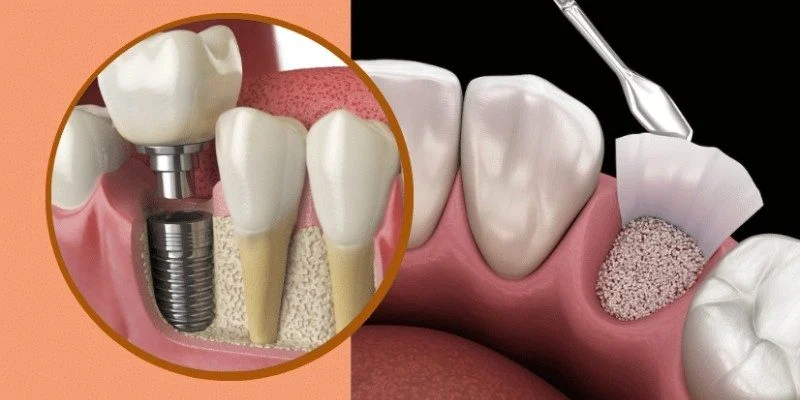
Your jawbone plays a key role in holding dental implants firmly in place. When bone loss happens, it can affect how well implants fit and last.
Studies show that more than 30 million Americans are missing teeth, a major factor that leads to jawbone shrinkage and the need for bone grafting. Understanding how tooth loss and gum disease lead to bone loss helps explain why bone grafting is often necessary.
Your jawbone plays a key role in holding dental implants firmly in place. When bone loss happens, it can affect how well implants fit and last.
Understanding how tooth loss and gum disease lead to bone loss helps explain why bone grafting is often necessary. Ignoring bone loss can cause problems for your oral health and the success of your implants.
Role of the Jawbone in Implant Stability
Your jawbone provides the foundation for dental implants. Implants act like artificial roots, anchoring into the bone to support your new teeth.
For the implant to be stable, the bone must be dense and thick enough to hold it securely. If your jawbone is weak or too thin, the implant may not fit properly or could fail over time.
Research shows that after a tooth is lost, the jawbone can shrink rapidly; up to 50% of the alveolar ridge width can be lost in the first year alone. Bone grafting helps rebuild this missing volume, giving the implant a strong and stable base to bond to.
How Tooth Loss and Gum Disease Cause Bone Loss
When you lose a tooth, the jawbone no longer gets the stimulation it needs in that spot. The bone slowly starts to shrink in a process called bone resorption.
This happens because the bone isn’t being used to support a tooth root anymore. Gum disease, especially periodontal disease, speeds up this bone loss.
Infection in your gums damages the tissue and bone around your teeth. If untreated, it can cause significant jawbone loss and even lead to more missing teeth.
Both tooth loss and gum disease can leave your jawbone thin or uneven. This makes placing dental implants harder, which is why bone grafting can be needed to rebuild the damaged areas and restore jawbone volume.
Consequences of Untreated Bone Deficiency
If bone loss isn’t treated before getting implants, you may face implant instability. The implant might not bond well with the weak bone and could become loose or fail.
This can lead to pain, infection, and the need for more surgeries. Bone deficiency also causes changes to your facial shape.
Your jaw may look sunken or aged because the bone no longer supports the facial muscles properly. Additionally, poor bone support can lead to uneven bites and difficulty chewing.
Without bone grafting, these issues can make it hard to get implants that fit well and function like natural teeth.
Types of Bone Grafts Used in Implant Dentistry
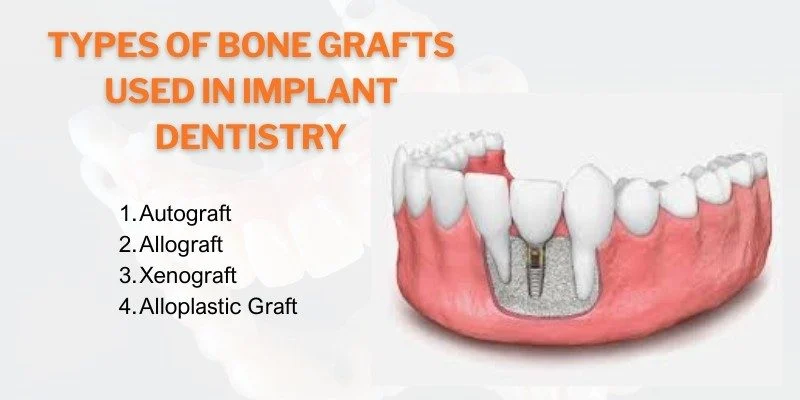
When preparing for dental implants, choosing the right bone graft material is key. Each type of graft offers different benefits, healing times, and sources.
Autograft
An autograft uses bone taken from your own body, often from areas like the chin, jaw, or hip. Since this bone is from you, it has living cells that encourage quicker and stronger bone growth.
This makes it one of the most successful grafts for dental implants. However, an autograft requires a second surgical site, which can mean more discomfort and a longer recovery.
Despite this, many patients prefer it because it avoids the risk of immune rejection or disease transmission.
Allograft
An allograft uses bone donated from another person, usually from a bone bank. This bone is carefully processed to make it safe and free from any living cells that could cause an immune reaction.
Allografts are popular because they eliminate the need for a second surgery. Healing takes longer compared to autografts since the bone must integrate with yours.
You can still expect good results with this type, and it is widely used in dental bone grafting.
Xenograft
A xenograft uses bone from animals, typically cows. This bone is processed to remove organic parts so it won’t cause immune problems.
It acts mainly as a scaffold to support your own bone growth over time. Xenografts are useful when you need to rebuild a larger area of your jawbone.
Healing is slower since your body gradually replaces the graft with natural bone. This type is safe and common in implant dentistry.
Alloplastic Graft
Alloplastic grafts are made from synthetic materials like calcium phosphate or bioglass. They don’t carry any risk of disease or immune rejection because they are man-made.
These grafts work by encouraging your body to grow bone around the artificial material. They are often combined with other graft types or used when smaller bone repairs are needed.
Healing times vary but are usually similar to xenografts.
Each type has pros and cons, depending on your jawbone’s condition and your dentist’s recommendation.
Bone Grafting Procedures for Dental Implants
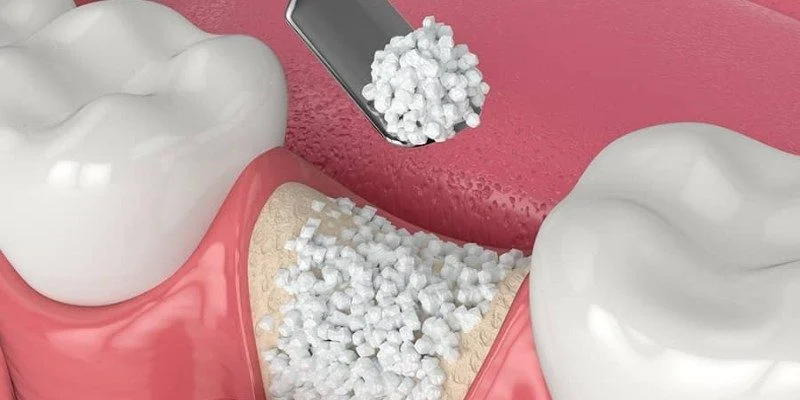
Bone grafting helps restore bone where it is missing or weak so your dental implants can be strong and stable. Depending on where the problem is in your jaw, different techniques like placing bone material directly, building the ridge, or lifting the sinus might be used.
Standard Dental Bone Graft
A standard dental bone graft involves placing bone material where your jaw isn’t thick enough to hold an implant. The graft can come from your own body, a donor, or be synthetic.
During the procedure, your dentist makes a small cut in your gums to expose the bone. The graft material is then shaped and placed into the area that needs more support.
Sometimes small screws or membranes help keep the bone graft stable. After surgery, it usually takes several months for the graft to fuse with your natural bone.
Ridge Augmentation Techniques
Ridge augmentation helps when your jawbone is too narrow or low to support implants. This technique either adds bone to widen the ridge or raises its height to match the needs of your implant.
You might get a block of bone graft or smaller particles packed into the ridge area. A barrier membrane is often used to stop soft tissue from growing into the bone while it heals.
Ridge augmentation is common in both your upper jaw (maxilla) and lower jaw (mandible). Healing time usually ranges from 4 to 9 months, depending on how much bone you need to rebuild.
Sinus Lift Surgery Overview
A sinus lift is used when bone height in the upper jaw is reduced near your maxillary sinuses, making implant placement risky. This often happens when sinuses expand after tooth loss.
The surgeon gently lifts the sinus membrane and fills the gap with bone graft material. This adds vertical height, so implants can anchor securely without penetrating the sinus.
Sinus lift surgery is precise and usually done under local anesthesia. It may take 4 to 9 months for the grafted area to heal enough for implants to be placed safely.
The Bone Grafting and Implant Placement Process
This process helps rebuild your jawbone to hold implants firmly in place. It involves careful planning, surgery with local anesthesia, and time for the bone to bond with the implant for long-term support.
Pre-Surgical Assessment and Imaging
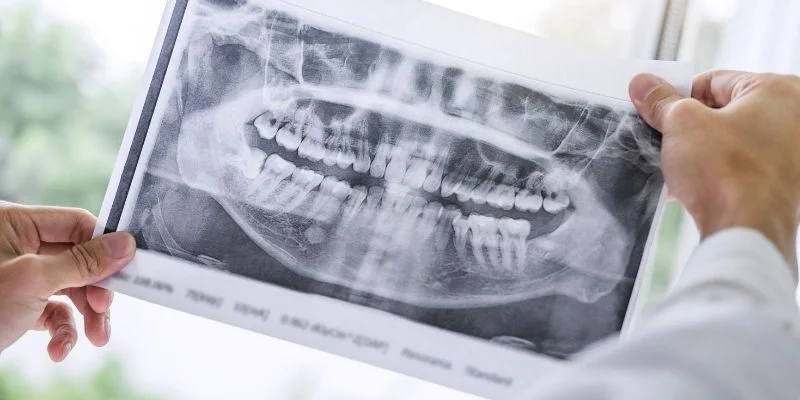
Before surgery, your oral surgeon will examine your mouth and jaw carefully. They use imaging tools like X-rays or 3D scans to check your bone volume.
This helps them see where your bone is too thin or weak. These images guide the plan for placing the bone graft.
Sometimes, you may also need a CT scan to measure the exact amount of bone needed. This step is crucial because it ensures that your implant will have a strong foundation.
Your surgeon will also review your medical history and discuss any concerns. This helps in choosing the right type of bone graft material and implant size that fits your needs.
Surgical Steps and Local Anesthesia
On the day of surgery, you’ll receive local anesthesia to numb the area. This means you will be awake but won’t feel pain during the procedure.
The surgeon will make a small cut in your gum to access the bone. Then, they place the bone graft material where your jaw needs more support.
This material might be natural bone or a synthetic alternative. After placing it, the surgeon closes the gum with stitches.
In most cases, implant placement is done after the graft heals to ensure the site is strong. However, sometimes your surgeon might place the implant during the same surgery if conditions allow.
After surgery, you’ll get instructions on how to care for the area. This helps reduce swelling and prevent infection as your mouth begins to heal.
Osseointegration and Implant Success
Osseointegration is when your new bone and implant join tightly. This process usually takes three to six months but can last longer depending on your healing speed.
During this time, your bone cells grow around the implant, making it very stable. This bond is key for making sure your implant functions like a natural tooth.
It’s important to avoid disturbing the area during healing. You should follow your oral surgeon’s advice on diet, hygiene, and activity to help your implant succeed.
Once osseointegration is complete, your dentist will place the final crown or tooth on the implant. This gives you back a strong, natural-looking smile.
Recovery and Aftercare Following Bone Grafting
Healing after a bone graft takes time and care. You’ll need to watch swelling and pain, keep your mouth clean, and follow specific steps to protect the graft.
Staying patient and following your dentist’s advice helps your bone graft heal well.
Bone Graft Recovery Timeline
In the first 1 to 3 days, you’ll likely experience swelling, some bleeding, and soreness. Use ice packs and rest as much as possible.
By the end of week 1, swelling should go down, and pain will get easier to manage. Between weeks 2 and 4, your gums will start healing, and stitches may be removed during this time.
Your bone graft itself is bonding with your natural bone but you won’t feel much happening yet. Full healing usually takes 3 to 6 months.
During this time, your dentist will check your progress with X-rays before moving forward with dental implants. Everyone heals a little differently, so listen to your body.
Managing Discomfort and Oral Hygiene
Discomfort is normal, but pain should lessen over time. Take prescribed painkillers and antibiotics exactly as directed.
Avoid touching or poking the graft site with your tongue or fingers. Cleaning your mouth gently is key.
Use a soft toothbrush and avoid the graft area at first. Rinsing with warm salt water, if recommended by your dentist, helps prevent infection without hurting healing tissue.
If you notice sharp pain, swelling that worsens, pus, or a bad taste, contact your dentist. These may be signs of infection or graft problems.
Keeping good oral hygiene supports faster healing and lowers risk.
Post-Procedure Care Tips
Follow these steps for better recovery:
- Stick to soft foods like yogurt, mashed potatoes, and smoothies for 1 to 2 weeks.
- Avoid smoking or alcohol for at least 48-72 hours or as your dentist advises.
- Use ice packs for 20 minutes on, 20 minutes off during the first 48 hours.
- Avoid heavy exercise for 3 to 5 days.
- Sleep with your head elevated to reduce swelling.
- Don’t chew on the side with the graft to keep it secure.
Eating well and staying hydrated also supports healing. Proteins, vitamin C, and calcium play important roles.
Always follow your dentist’s aftercare instructions for the best bone graft recovery results.
Frequently Asked Questions
You might wonder about the types of materials used for bone grafts and how long it takes to heal. Knowing the signs of possible problems and the costs can help you plan better.
You may also want to learn how long to wait before getting implants and ways to help your healing go faster.
What are the different types of dental bone graft materials?
Bone graft materials can come from your own body, a donor, animals, or synthetic sources. Your surgeon may use autografts (from your body), allografts (from human donors), xenografts (from animals like cows), or alloplasts (man-made materials).
Each type has different benefits and healing times.
How long is the healing process after a dental bone graft?
Healing usually takes between three to six months. The exact time depends on the size of the graft and the material used.
During this time, new bone grows and integrates with your jaw to create a strong base for implants.
What are the signs that a dental bone graft may not be successful?
Watch for prolonged pain, swelling, or infection around the graft area. If you notice excessive bleeding or the graft feels loose, these could be warning signs.
Always follow up with your dentist if something feels wrong during healing.
How much does it typically cost for a single dental bone graft procedure?
The cost usually ranges from $800 to $2,500. This depends on the complexity of your case, the type of graft material, and where you live.
Your dentist or surgeon can give you a more exact estimate based on your needs.
What is the recommended waiting period between having a bone graft and placing the dental implants?
Most dentists recommend waiting about three to six months before placing implants. This waiting period allows the graft to heal fully and become strong enough to support the implant securely.
Are there methods to encourage faster healing after a bone graft for dental implants?
You can help healing by following your dentist’s care instructions closely. Avoid hard or chewy foods.
Keep the mouth clean, and don’t smoke. Sometimes, your doctor might suggest supplements or treatments to support bone growth.
Be sure to ask them about options.