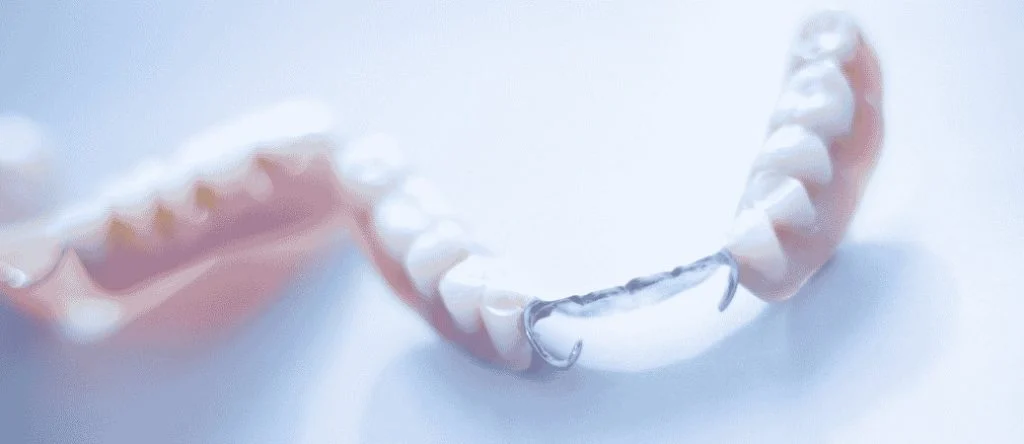
Missing teeth can affect more than just your smile. They impact how you eat, speak, and feel about yourself. When it comes to replacing missing teeth, you have two main options to consider: traditional dentures and implant-supported dentures.
Traditional dentures cost less upfront at around $1,000 to $1,500 per arch, while implant-supported dentures require a higher initial investment of $3,000 to $5,000 per implant, but the difference in comfort and stability is significant.
Traditional dentures sit on your gums and may shift when you eat or talk. Implant-supported dentures attach to dental implants in your jawbone, giving you much better stability.
The choice between these two options involves weighing what you can afford now against long-term costs and comfort. Traditional dentures need replacement every 5-7 years and require ongoing maintenance. Implant-supported dentures offer enhanced stability and bone health but cost more at the start.
Understanding how each option affects your daily life will help you make the right decision for your needs.
Key Takeaways
- Traditional dentures cost less initially but need replacement every few years while implant-supported dentures last longer with proper care
- Implant-supported dentures provide better chewing power and stability compared to traditional dentures that may slip during eating or speaking
- Implant-supported dentures help preserve your jawbone while traditional dentures can lead to bone loss over time
Table of Content
- What Are Traditional Dentures and Implant-Supported Dentures?
- Cost Comparison: Upfront and Long-Term Expenses
- Comfort, Stability, and Chewing Power
- Oral and Jawbone Health Considerations
- Suitability: Who Should Consider Each Option?
- Treatment Process and What to Expect
- Frequently Asked Questions
What Are Traditional Dentures and Implant-Supported Dentures?
Dentures are removable tooth replacement options that restore your smile and ability to eat. Traditional dentures sit on your gums, while implant-supported dentures attach to metal posts surgically placed in your jawbone.
How Traditional Dentures Work
Traditional dentures are removable appliances designed to replace missing teeth. They rest directly on top of your gum tissue and stay in place through natural suction or denture adhesive.
These dentures are custom-made to fit the shape of your mouth. Your dentist takes impressions of your gums to create a comfortable fit. Full dentures replace all your teeth on the upper or lower jaw, while partial dentures fill in gaps when you still have some natural teeth remaining.
The main challenge with traditional dentures is keeping them stable. They can slip or shift when you eat or talk, which is why many people use adhesive creams. Over time, your jawbone shrinks because the dentures don’t stimulate bone growth like natural teeth do.
This means you’ll need adjustments or new dentures every 5 to 10 years as your mouth shape changes.
How Implant-Supported Dentures Function
Implant-supported dentures connect to dental implants that are surgically placed into your jawbone. These small titanium posts act like artificial tooth roots and provide a stable foundation for your dentures.
The process starts with placing the implants into your jaw. Over several months, the implants fuse with your bone through a process called osseointegration.
Once healing is complete, your dentist attaches special connectors to the implants. Your dentures then snap onto these connectors, creating a secure fit that won’t slip.
Unlike traditional dentures, implant dentures stay firmly in place without adhesive. You can remove them for cleaning, but they won’t move around while you eat or speak.
The implants also stimulate your jawbone, which helps prevent bone loss and keeps your face shape from changing.
Types of Dentures: Full, Partial, and Overdentures
Full dentures replace all the teeth in your upper or lower jaw. You might need them if you’ve lost most or all of your teeth due to decay, gum disease, or injury.
Partial dentures fill in spaces when you still have some healthy natural teeth. They attach to your remaining teeth with metal clasps or precision attachments. Partials prevent your existing teeth from shifting into the empty spaces.
Overdentures are a type of implant-supported denture that fits over a small number of remaining natural teeth or implants. They offer more stability than traditional dentures but don’t require as many implants as full implant dentures.
Different denture types serve different needs based on how many teeth you need to replace and your bone health.
Cost Comparison: Upfront and Long-Term Expenses
The price difference between traditional and implant-supported dentures goes far beyond the initial payment. Traditional dentures start at a lower price point, but implant-supported dentures can be more cost-effective over time due to less maintenance and fewer replacements.

Initial Costs: Traditional vs. Implant-Supported Dentures
Traditional dentures typically cost between $1,000 and $1,500 for a standard set. This makes them the most affordable option upfront if you need to replace your teeth quickly.
Implant-supported dentures require a much larger initial investment. Full implant-supported dentures cost between $15,000 and $30,000 per jaw, with total costs potentially exceeding $50,000 for both upper and lower arches.
The denture implants cost includes several components. Each titanium implant ranges from $1,500 to $2,500. Most people need 4 to 6 implants per arch, which puts the implant hardware alone at $6,000 to $15,000.
Additional procedures increase your total bill. Tooth extractions add $100 to $650 per tooth. Bone grafting can range from $300 to $3,000 depending on how much work you need. Your initial consultation typically costs $75 to $300.
Ongoing Maintenance and Replacement Costs
Conventional dentures need regular adjustments and replacements. You’ll likely need to reline or rebase them every few years as your jaw changes shape. Most traditional dentures need complete replacement every 5 to 7 years.
Implant-supported dentures require less frequent replacement. The titanium implants can last a lifetime with proper care. The denture portion may need replacement after 10 to 15 years, but the implant placement itself remains intact.
Your maintenance routine affects long-term costs. Traditional dentures need cleaning solutions, adhesives, and regular dental visits. Implant-supported options need similar cleaning but skip the adhesives and typically involve fewer emergency visits for adjustments or repairs.
Insurance Coverage and Financing
Most dental insurance plans cover a portion of traditional dentures since they’re considered a basic restoration. You might receive 50% to 80% coverage depending on your plan.
Insurance rarely covers full implant costs because many insurers classify implant surgery as cosmetic or elective. Some plans may cover the denture portion that attaches to the implants, but not the implants themselves.
Payment plans make implant-supported dentures more accessible. CareCredit offers financing specifically for dental procedures. Many dental offices provide in-house payment plans that let you spread costs over 12 to 24 months.
Health Savings Accounts (HSAs) can cover both traditional and implant-supported options with pre-tax dollars.
Not sure which denture option suits you best? Schedule a consultation to explore your choices.
Comfort, Stability, and Chewing Power
Implant dentures and traditional dentures feel very different in your mouth. The way they attach affects how comfortable they are, what foods you can eat, and how secure you feel when talking or laughing.
Comfort in Daily Life
Traditional dentures rest directly on your gums, which means they can create pressure points and sore spots. Your lower denture often causes more problems than your upper denture because there’s less surface area to hold it in place.
The constant rubbing can lead to gum irritation that makes wearing dentures uncomfortable throughout the day.
Implant dentures connect to posts in your jawbone, so they don’t move around as much. This means less friction against your gums and fewer sore spots.
You won’t need messy adhesives to keep them in place. Implant-supported dentures offer better fit and chewing than traditional options, which many patients say improves their daily comfort.
The feeling of bulk in your mouth also differs. Traditional dentures often cover your entire palate, which can feel awkward. Fixed implant dentures usually don’t need full palate coverage, so they feel more natural.
Chewing Efficiency and Food Choices
Your chewing power drops significantly with traditional dentures. You’ll have about 25% of the bite force you had with natural teeth. This limits what you can comfortably eat. Apples, corn on the cob, steak, and crusty bread become difficult or impossible to enjoy.
Implant dentures restore much more chewing efficiency. With stable dentures anchored to implants, you regain up to 70% of your natural bite force. This means you can eat a wider variety of foods without worry.
Foods that become easier with implant dentures:
- Raw vegetables and salads
- Fresh fruits like apples and pears
- Chewy meats
- Nuts and seeds
- Sticky foods
Traditional dentures can slip or move while you eat, especially lower dentures. An implant denture stays firmly in place, letting you bite and chew with confidence.
Speech, Fit, and Social Confidence
Your denture fit directly affects how you speak. When traditional dentures shift while you talk, they can cause clicking sounds or slurred speech. The “s” and “th” sounds become especially tricky. You might find yourself speaking more carefully or avoiding certain words.
Stable dentures that connect to implants eliminate most of these speech problems. Because they don’t move, you can speak more naturally without worrying about embarrassing slips or sounds.
Social situations become less stressful when your dentures stay put. You won’t fear your denture falling out when you laugh or sneeze. This security helps protect your oral health too, since stable dentures reduce the constant pressure changes that traditional dentures create on your gums and bone.
Oral and Jawbone Health Considerations
Your choice between implant-supported and traditional dentures affects more than just comfort. It directly impacts your jawbone density, daily oral care routine, and long-term gum health.
Impact on Jawbone Density and Bone Loss
When you lose teeth, your jawbone starts to shrink because it no longer gets the stimulation it needs. Traditional dentures sit on top of your gums and don’t prevent bone loss the way natural teeth do.
Over time, this leads to changes in your facial structure and makes your dentures fit poorly.
Implant-supported dentures work differently. The implants act like tooth roots and stimulate your jawbone when you chew. This keeps your jawbone density stable and helps maintain your facial shape for years to come.
If you’ve already experienced significant bone loss, you might need bone grafting before getting implants. This procedure rebuilds your jawbone to support the implants properly.
Oral Hygiene and Maintenance Routines
Traditional dentures need to be removed and cleaned daily with special solutions. You’ll also need to clean your gums and any remaining natural teeth. This routine takes extra time but keeps your mouth healthy.
Implant-supported dentures typically offer a more hassle-free experience in the long run. You brush and floss them much like natural teeth. You still need regular dental checkups to make sure the implants stay healthy.
Both options require good oral hygiene habits. Skipping your routine can lead to infections, gum problems, or implant failure.
Effects on Gum Health
Traditional dentures can cause sore spots on your gums, especially when they don’t fit well. As your jawbone changes shape, the dentures may rub against your gums and create irritation. You’ll need periodic adjustments to keep them comfortable.
Implant-supported dentures put less pressure on your gums because they’re anchored to your jawbone. This reduces irritation and helps keep your gum tissue healthier. Your gums won’t need to bear the full weight of the dentures during chewing.
Poor-fitting dentures can trap food particles and bacteria against your gums. This increases your risk of infections and inflammation that can damage your gum health over time.
Suitability: Who Should Consider Each Option?
The best tooth replacement choice depends on your bone health, budget, and daily needs. Some people do well with removable options, while others need the extra support that comes from anchoring replacements directly into the jaw.
Who Benefits Most from Traditional Dentures

Traditional dentures work well if you have significant bone loss in your jaw. When you don’t have enough bone to support implants, or when a bone graft isn’t an option for you, removable dentures provide a way to restore your smile without surgery.
You might prefer this option if you want to avoid surgical procedures entirely. Traditional dentures don’t require cutting into your gums or placing posts in your jawbone. The fitting process involves taking impressions and making adjustments over a few visits.
People on a tight budget often choose traditional dentures over implant-supported options because they cost much less upfront. A full set typically ranges from $800 to $1,500, making them accessible when you need tooth replacements quickly but can’t afford extensive dental work.
If you have health conditions that make surgery risky, traditional dentures offer a safer alternative. Certain medications, uncontrolled diabetes, or healing problems can make implant placement too dangerous for your situation.
Ideal Candidates for Implant-Supported Dentures
You need adequate jawbone density to support dental implants. Your dentist will check if your bone can hold the posts that anchor implant-supported dentures. If your bone has thinned, you might need a bone graft first.
Good overall health matters for implant success. Your body needs to heal properly around the implants, so conditions like uncontrolled diabetes or active gum disease may disqualify you until those issues improve.
Implant-supported dentures provide better stability for eating and speaking compared to traditional versions. You should consider this option if loose dentures have caused you embarrassment or difficulty chewing the foods you enjoy.
These tooth replacements help preserve your jawbone over time. The implant posts stimulate bone just like natural tooth roots do, preventing the facial sagging that often happens with traditional dentures.
You need to commit to the timeline and process. Getting implant-supported dentures takes several months from start to finish and requires multiple dental visits.
Lifestyle, Health, and Budget Factors
Your daily routine affects which option fits best. Traditional dentures require removal every night for cleaning and soaking. If this maintenance routine seems manageable, they might suit your lifestyle.
Physical dexterity plays a role in your choice. You need steady hands to remove, clean, and reinsert traditional dentures daily. Implant-supported versions stay in place, which helps if you have arthritis or limited hand mobility.
Budget considerations include:
- Initial costs (traditional dentures cost less to start)
- Replacement expenses (traditional dentures need replacement every 5 years)
- Long-term value (implant-supported dentures can last decades)
Your activity level matters too. If you play sports, exercise regularly, or have an active social life, the security of implant-supported dentures might give you more confidence. Traditional dentures can slip during physical activity.
Insurance coverage varies widely for tooth replacement options. Most dental plans cover at least part of traditional dentures, but implant coverage is less common. Check your specific benefits before deciding.
Treatment Process and What to Expect
Each type of denture requires different steps and timelines. Traditional dentures can be ready in weeks, while implant-supported dentures need months for complete healing.
Getting Fitted for Traditional Dentures
Your dentist will start by taking impressions of your mouth. These molds help create dentures that match your gums and jaw shape.
You’ll have several appointments to ensure proper denture fit. The first visit involves measuring your mouth and choosing the right tooth size and color for you. At the next appointment, you’ll try on a wax model to check how the dentures look and feel.
The final dentures take about two to three weeks to make. When you pick them up, your dentist will check that they sit correctly and make small changes if needed. You might need denture adhesive at first to help them stay in place while your mouth gets used to them.
Most people need follow-up visits in the first few weeks to adjust any sore spots.
The Journey to Implant-Supported Dentures
Implant surgery marks the first major step in getting implant-supported dentures. Your dentist will place small titanium posts into your jawbone during implant placement.
The healing process called osseointegration takes two to three months. During this time, the implants fuse with your bone to create a strong base. You’ll likely wear temporary dentures while you wait.
Some people need bone grafting before implant placement if their jawbone isn’t thick enough. This adds extra time to the process but helps ensure success.
After osseointegration completes, your dentist attaches special connectors to the implants. Then they make your custom dentures that snap onto these connectors. The entire process typically takes three to six months from start to finish.
Recovery and Adjustment Periods

Traditional dentures feel strange at first. Your mouth produces more saliva and speaking might sound different for the first week or two.
Eating soft foods helps you adjust faster. Most people feel comfortable with their dentures within two to four weeks.
Recovery from implant surgery involves some swelling and discomfort for a few days. You’ll eat soft foods for about a week after each procedure. Pain medicine and ice packs help manage any soreness.
The adjustment to implant-supported dentures is usually easier than traditional ones. They feel more stable and natural from the start. You won’t need denture adhesive because the implants hold everything firmly in place.
Frequently Asked Questions
People considering dentures often have questions about pricing, comfort levels, and how different types compare. The costs vary widely based on the type you choose, and comfort differences can affect your daily life in important ways.
What are the average costs of implant-supported dentures compared to traditional dentures?
Traditional dentures typically cost between $15,000 and $60,000 per arch in India. This makes them the more affordable option upfront.
Implant-supported dentures range from $50,000 to $1,50,000 per arch. The higher price comes from the surgical placement of titanium posts in your jawbone and the advanced materials used.
You should consider long-term costs too. Traditional dentures need replacement every 5 to 7 years, plus regular adjustments and adhesives. Implant-supported dentures last much longer, often 15 years or more, which can make them more cost-effective over time.
Can you explain the difference in comfort between implant-supported dentures and traditional dentures?
Traditional dentures sit on your gums and can slip while you eat or talk. This movement often causes gum soreness and requires daily adhesive application.
Implant-supported dentures attach to posts in your jawbone, so they stay firmly in place. You won’t experience the shifting that comes with traditional dentures.
Many people find implant-supported options feel more like natural teeth. You can eat a wider variety of foods without worrying about your dentures moving.
How much can I expect to pay for snap-in denture implants?
Snap-in denture implants are another name for implant-supported dentures. The cost depends on how many implants you need and where you live.
Snap-in dentures connect to a few implants and cost less than full dental implants for every tooth. You’ll typically need between 2 and 4 implants per arch.
Your dentist’s experience and the implant brand also affect the final price. Some clinics offer payment plans to make the treatment more affordable.
What are some common issues experienced with snap-in dentures?
Some people experience minor soreness after the implant surgery. This usually goes away within a few days, similar to the feeling after a tooth extraction.
You might need adjustments during the first few weeks as you get used to your new dentures. Your dentist can help fine-tune the fit during follow-up visits.
The denture attachments can wear out over time and need replacement. This is a simple fix that your dentist can handle quickly.
Are there any removability advantages of implant-supported dentures over traditional ones?
Implant-supported dentures can be either fixed or removable, depending on the type you choose. Some versions snap on and off, while others stay permanently attached.
If you choose the snap-in style, you can remove them for cleaning. This gives you more control than traditional dentures while still providing stability throughout the day.
Fixed implant-supported dentures stay in place all the time. You clean them just like natural teeth by brushing and flossing.
Is there a significant difference in the level of comfort between dentures and implants?
Implant-supported dentures offer enhanced stability and comfort compared to traditional options. The anchoring system eliminates the worry about dentures slipping at awkward moments.
You’ll likely notice the biggest difference when eating. Implant-supported dentures let you bite with more force and enjoy foods that might be difficult with traditional dentures.
Traditional dentures can cause pressure points on your gums. Implant-supported versions distribute pressure more evenly through your jawbone, reducing discomfort.