
Losing teeth can lead to jawbone deterioration over time. Many people worry this means dental implants are no longer an option.
The good news is that severe bone loss doesn’t automatically disqualify you from getting denture implants. Modern dental techniques like bone grafting, zygomatic implants, and All-on-4 procedures make it possible for most patients with bone loss to still receive stable, permanent tooth replacements.
Your jawbone needs a certain amount of density and volume to support traditional implants. When you lose teeth and don’t replace them, the bone starts to shrink because it’s no longer being used.
This process happens quickly in the first few years after tooth loss and can make implant placement more challenging. If you’ve been told you’re not a candidate for implants because of bone loss, you may still have options.
Your dentist can evaluate your specific situation and recommend advanced solutions that work even when traditional implants won’t. Understanding what’s available can help you make the best choice for restoring your smile and improving your quality of life.
Key Takeaways
- Severe bone loss doesn’t mean you can’t get dental implants because advanced techniques can work around bone deficiency
- Treatment options include bone grafting for moderate loss or specialized implants like zygomatic and All-on-4 for extreme cases
- Dental implants help prevent further bone loss while dentures can actually speed up jawbone deterioration
Understanding Severe Bone Loss and Its Impact on Dental Implants
When you lose teeth, your jawbone begins to shrink over time, which can make getting dental implants more challenging. The amount of bone structure you have left determines what treatment options are available to you.
What Causes Bone Loss in the Jaw?
Several conditions can lead to jawbone loss over time. Periodontal disease is a major cause, as chronic infection destroys both bone and gum tissue around your teeth.
When you have missing teeth, your jaw no longer gets the stimulation it needs from chewing. This lack of pressure causes bone resorption, where your body naturally breaks down the unused bone tissue.
Other factors affect your bone density too. If you have osteoporosis, your overall bone density decreases throughout your body, including your jaw.
Trauma or injury to your face can also damage bone structure. Long-term denture wear actually speeds up bone loss because the pressure sits on your gums instead of stimulating your jawbone.
How Missing Teeth Lead to Jawbone Deterioration
Your jawbone stays healthy when your teeth place pressure on it during daily activities like chewing and speaking. Once a tooth is lost, that stimulation stops completely.
Without ongoing pressure, your body begins to reabsorb the unused bone, a process known as bone resorption. This happens faster than many people realize.
Clinical research shows that up to 25% of jawbone width can be lost within the first year after tooth loss if the area is not restored. The longer a missing tooth goes unreplaced, the more severe and permanent the bone deterioration becomes.
As bone volume shrinks, facial support can weaken, leading to changes in appearance, reduced chewing efficiency, and increased risk of future dental complications.
Bone Structure Requirements for Implant Placement
Traditional dental implants need adequate bone to stay secure in your jaw. Most implants require at least 1-2mm of bone around them to function properly.
Your dentist measures both bone height and width to determine if you have enough structure. The bone also needs to be dense enough to support the implant during healing.
If you don’t have sufficient bone, that doesn’t mean you’re out of options. Mild bone loss can often still support standard implants.
Moderate loss typically requires bone grafting before placement. With severe bone loss, specialized techniques like zygomatic implants or All-on-4 systems can work even when traditional methods won’t.
Are You Still a Candidate for Denture Implants With Severe Bone Loss?
Yes, you can still be a candidate for denture implants even with severe bone loss, though your treatment plan may require additional steps. Your eligibility depends on factors like your remaining jawbone volume, overall oral health, and whether you’re willing to undergo preparatory procedures.
Eligibility Criteria and Evaluation Process
Your dentist will need to perform a full dental evaluation to determine if you qualify for denture implants. This typically includes a 3D imaging scan to measure your bone density and identify possible implant sites.
The evaluation looks at several key factors. Your dentist checks your overall health, any medications you take, and habits like smoking that might affect healing.
They also examine your gums for signs of active gum disease, which needs treatment before implant placement can happen. Most dental professionals consider you a candidate if you have enough bone to support implants or are willing to undergo bone grafting.
Even if you’ve had bone loss for years, modern techniques often make treatment possible. Your age alone usually doesn’t disqualify you, as long as your jaw has finished growing and you’re healthy enough for surgery.
Assessing Jawbone Health and Volume
Your jawbone needs adequate height, width, and density to support denture implants successfully. Dentists measure these dimensions using CT scans or cone beam imaging to create a detailed map of your jaw structure.
The minimum bone requirements vary based on the type of implant used. Standard implants typically need at least 10mm of bone height and 6mm of width.
If you don’t meet these measurements, your dentist may suggest mini implants or bone grafts as alternatives. Your bone quality matters just as much as quantity.
Dense, healthy bone provides better stability and improves your implant success rate. Your dentist assigns a bone density score from 1 to 4, with 1 being the strongest and 4 being the softest.
Common Challenges and Considerations
Severe bone loss can extend your treatment timeline from a few months to over a year. You may need bone grafting surgery first, which requires 4 to 6 months of healing before implants can be placed.
Key challenges you might face:
- Higher initial treatment costs due to additional procedures
- Multiple surgical appointments spread over several months
- Longer recovery periods between each step
- Increased risk of complications during healing
Your oral health plays a major role in treatment success. Active gum disease needs to be controlled before starting implant procedures.
Smoking significantly reduces healing ability and can lower your implant success rate by up to 15%. Some patients with extremely severe bone loss may need specialized options like zygomatic implants, which anchor into cheekbone rather than jawbone.
Your financial situation and insurance coverage also affect which treatment options work best for you.
Advanced Dental Implant Solutions for Severe Bone Loss
Modern dentistry offers multiple ways to place dental implants even when significant jawbone has been lost. Bone grafting can rebuild weakened areas, sinus lifts create space in the upper jaw, zygomatic implants anchor into the cheekbone, and specialized techniques like All-on-4® work with the bone you have.
Bone Grafting Procedures and Bone Regeneration
Bone grafting rebuilds areas of your jaw where bone has diminished over time. During this procedure, your oral surgeon places graft material into the weakened areas to stimulate new bone growth.
The graft material can come from several sources. Your own bone from another part of your jaw works well because your body accepts it easily.
Donor bone from a tissue bank or synthetic materials are also common options.
Types of bone grafts include:
- Socket preservation grafts – placed immediately after tooth removal
- Ridge augmentation – builds up the width or height of the jawbone
- Block bone grafts – uses a small block of bone for larger defects
- Particulate grafts – uses small bone particles to fill spaces
Bone regeneration typically takes three to six months before implant placement can occur. Your body needs this time to integrate the graft material and create new, strong bone.
Advanced techniques using growth factors like PRP (platelet-rich plasma) or BMP (bone morphogenetic protein) may speed up healing.
Sinus Lifts for Upper Jaw Bone Loss
A sinus lift addresses bone loss in your upper jaw, specifically in the area below your sinuses near the back teeth. When you lose upper molars, the maxilla bone shrinks and your sinus cavity expands downward, leaving little room for implants.
During a sinus lift procedure, your surgeon gently raises the sinus membrane and adds bone graft material underneath. This creates the height needed for stable implant placement in your upper jaw.
There are two approaches. A lateral window technique works for cases needing substantial bone, while a crestal approach uses a smaller opening through the implant site itself.
Your surgeon chooses based on how much bone you currently have and how much you need. Most people heal from sinus lifts within four to nine months.
You can often have implants placed at the same time as the sinus lift if you have enough existing bone for initial stability.
Zygomatic Implants: An Alternative for Extreme Cases
Zygomatic implants anchor into your cheekbone (zygoma) instead of your upper jawbone. These longer implants bypass the maxilla entirely, making them ideal when you have severe bone loss in your upper jaw.
The procedure involves placing implants that are 30 to 50 millimeters long, compared to standard 10 to 15 millimeter implants. They angle through the upper jaw and secure into the dense zygomatic bone, which rarely experiences bone loss.
You typically need two to four zygomatic implants combined with regular implants in the front of your mouth. This creates a stable foundation for a full arch of teeth without bone grafting.
You can often receive temporary teeth the same day. Recovery is usually straightforward.
While the implants are longer, they avoid the sinus cavity complications that sometimes occur with traditional upper jaw implants.
All-on-4® and Implant Alternatives
The All-on-4® technique uses just four strategically placed implants to support a full arch of replacement teeth. The back implants are angled up to 45 degrees to avoid areas with poor bone and maximize contact with existing bone.
This approach works well if you have moderate bone loss because it uses the strongest parts of your jaw. You avoid bone grafts in many cases, which means shorter treatment time and lower costs.
Key benefits include:
| Feature | Advantage |
| Fewer implants needed | Only 4-6 per arch instead of 8-10 |
| Immediate function | Temporary teeth often same day |
| Avoids grafting | Uses existing bone strategically |
| Shorter treatment | Complete in 3-6 months typically |
Similar concepts like All-on-6 or implant-supported overdentures provide alternatives for patients with bone loss who want full arch restoration. Your specific anatomy and bone density determine which option gives you the best long-term results.
If you’re considering All-on-4® or other implant options, our Woodbury, MN implant dentist can help determine which approach best fits your bone structure and long-term goals.
Comparing Denture Implants to Traditional Dentures
Denture implants and traditional dentures take different approaches to replacing missing teeth, with significant differences in how they attach, function, and affect your jawbone over time.

Implant-Supported Dentures vs Traditional Dentures
Traditional dentures sit directly on your gums and rely on suction or adhesives to stay in place. This can lead to slipping when you eat or talk, which many people find uncomfortable and embarrassing.
Implant-supported dentures attach to titanium posts surgically placed in your jawbone. This gives you a secure fit that won’t slip or shift during daily activities.
With traditional dentures, you might struggle to eat certain foods because they don’t provide the same bite force as natural teeth. Implant dentures let you chew more effectively and enjoy a wider variety of foods.
Key differences include:
- Stability: Implant dentures stay firmly in place, while traditional dentures can move around.
- Bone preservation: Implants stimulate your jawbone, preventing bone loss that naturally occurs with traditional dentures.
- Maintenance: Traditional dentures need regular adjustments as your jawbone changes shape over time.
- Cost: Traditional dentures have lower upfront costs, but implant dentures offer long-term benefits that can make them worth the investment.
Partial Dentures and Their Limitations
Partial dentures replace some of your missing teeth while leaving your remaining natural teeth in place. They typically use metal clasps or precision attachments to hook onto neighboring teeth for support.
These clasps can put extra pressure on your healthy teeth, which may cause damage over time. The constant force can loosen your natural teeth or even lead to additional tooth loss.
Partial dentures also don’t stop jawbone loss in the areas where teeth are missing. Without tooth roots to stimulate the bone, your jaw continues to deteriorate beneath the denture.
You’ll need to remove partial dentures for cleaning every day. This routine can be inconvenient, especially when you’re traveling or away from home.
Effect of Bone Loss on Denture Stability
Bone loss creates serious problems for traditional dentures because they depend on the shape of your gums and jawbone for a proper fit. As your bone deteriorates, dentures become loose and uncomfortable.
Your jawbone naturally shrinks when teeth are missing because it no longer receives stimulation from tooth roots. This process happens gradually but continuously with traditional dentures.
Loose dentures can cause sore spots on your gums and make eating difficult. You’ll likely need frequent adjustments or new dentures as your bone continues to change shape.
Denture implants help prevent this problem by acting like natural tooth roots. The titanium posts fuse with your jawbone and provide the stimulation needed to maintain bone density and facial structure.
If loose dentures are affecting your comfort, our team in Woodbury, MN, can evaluate whether implant-supported dentures may offer better long-term stability.
Risks, Complications, and Oral Health Considerations
Patients with severe bone loss face specific challenges that can affect implant success, from infection risks to ongoing bone resorption. Understanding these factors helps you prepare for treatment and maintain your implants long-term.
Implant Success and Failure Factors
Several factors determine whether your implants will succeed or fail, especially when you start with limited bone. Smoking increases implant failure rates to 11% compared to just 5% for nonsmokers because it reduces blood flow and slows healing.
Your age matters too. Patients over 60 have twice the risk of implant failure due to slower healing and potential health conditions.
Medical conditions like diabetes can cause problems during the first year after surgery. High blood sugar affects how bone heals around your implant and can reduce bone recovery by 40%.
If you have diabetes, controlling your glucose levels before and after surgery improves your chances of success.
Key risk factors include:
- Poor oral hygiene leading to infection
- Bruxism or teeth grinding causing excess pressure
- Bone quality and density at the implant site
- Previous radiation therapy to the jaw
- Medications like bisphosphonates for osteoporosis
Preventing Further Bone Resorption
Once you lose bone, preventing additional loss becomes critical for keeping your implants stable. Your jawbone needs stimulation from chewing forces to maintain its density.
Implants provide this stimulation, which helps stop the resorption process. You need adequate calcium and vitamin D to support bone health around your implants.
Your dentist may recommend supplements if your levels are low. Avoiding tobacco is essential.
Smoking reduces calcium absorption and decreases blood flow to your jaw, which accelerates bone loss around implants. Regular dental visits let your provider monitor bone levels through X-rays.
Early detection of bone loss around implants allows for intervention before the problem becomes severe.
Managing Gum Disease and Periodontal Health
Peri-implantitis is an inflammatory condition that affects tissues around your implant and causes bone loss. This condition progresses faster than gum disease around natural teeth.
Warning signs of peri-implantitis:
- Bleeding when you brush
- Swelling or redness around the implant
- Pus or discharge
- Increased pocket depth
- Implant mobility
You need to clean around your implants daily using interdental brushes that reach 3mm into the gum line. Regular professional cleanings every 3-6 months help remove bacteria you can’t reach at home.
If you have existing periodontal disease, it must be treated before implant placement. The same bacteria that cause gum disease can infect your implants and lead to failure.
Maintaining Long-Term Jawbone Health After Treatment
Post-Implant Care and Maintenance
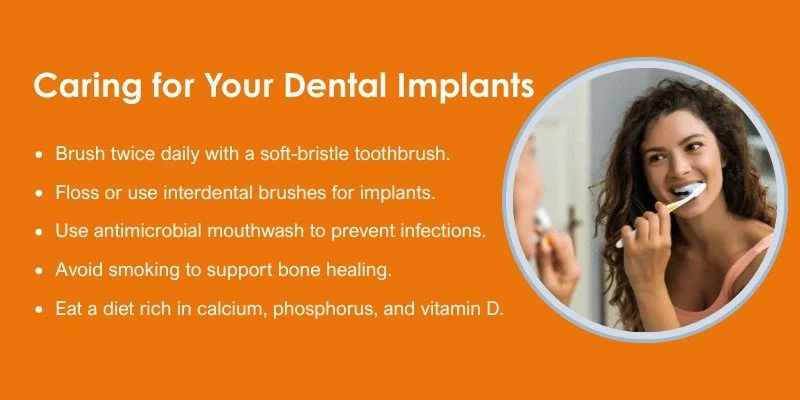
Your daily habits directly impact your oral health and implant success rate. Brush twice daily with a soft-bristle toothbrush to remove plaque without damaging your gums or implant components.
Floss around each implant using specialized floss threaders or interdental brushes designed for implant care. Use an antimicrobial mouthwash to reduce bacteria that can lead to infections around your implants.
These infections can damage the surrounding bone and threaten your implant stability. Dental implants can last a lifetime with proper care and good oral hygiene habits.
Avoid smoking because tobacco use impairs blood flow and slows bone regeneration. This increases your risk of implant failure and bone loss around the implant site.
Maintain a diet rich in calcium, phosphorus, and vitamin D to support your jawbone health and strengthen the bone around your implants.
Monitoring Jawbone and Implant Stability
Schedule dental checkups every 3 to 6 months so your dental team can evaluate your implants and surrounding bone. Your dentist will check for signs of bone loss like gum recession, implant mobility, or inflammation around the implant sites.
Professional cleanings remove hardened plaque and tartar that regular brushing cannot eliminate. Your dentist may use 3D imaging periodically to measure bone density and volume around your implants.
This technology detects early bone changes before they become serious problems. Watch for warning signs between appointments including bleeding gums, pain when chewing, or loosening of your denture implants.
Report these symptoms immediately because early intervention prevents further bone loss and protects your implants. Your dental team can address bone loss concerns with treatments that help your implants integrate securely and last for decades.
Regular monitoring matters. Our dental team can help track bone levels early and protect long-term implant stability.
Frequently Asked Questions
Patients with bone loss often have specific concerns about cost, eligibility, and treatment options. Understanding the differences between implant types and recognizing warning signs can help you make informed decisions about your dental health.
What are the costs associated with dental implants for patients with bone loss?
The cost of dental implants varies based on how much bone loss you have and what procedures you need. Bone grafting procedures typically cost between $500 and $3,000 per site, while full-arch implant solutions range from $15,000 to $30,000 per arch.
Standard dental implants without bone grafting usually cost less than procedures requiring additional bone work. If you need a sinus lift or other bone augmentation, expect to pay more for the extra surgical steps.
Your total cost depends on several factors. These include the number of implants needed, the type of bone grafting material used, and whether you choose traditional implants or specialized options like zygomatic implants.
Most dental insurance plans offer limited coverage for implant procedures. Many dental offices provide payment plans to help make treatment more affordable over time.
Is it possible to receive dental implants if you’ve been diagnosed with periodontal disease?
Yes, you can still get dental implants after having periodontal disease, but your gum disease must be treated first. Chronic infection from periodontal disease destroys bone and gum tissue, which needs to be addressed before implant placement.
Your dentist will need to eliminate the infection and get your gum disease under control. This usually involves deep cleaning procedures, medication, and sometimes surgery to restore gum health.
After your periodontal disease is treated, you may need bone grafting to rebuild lost bone. Studies show that 14.9% of people with periodontal disease have moderate bone loss, which affects implant placement.
Regular maintenance and good oral hygiene become even more important after getting implants. Your history of gum disease means you need to be extra careful about preventing future infections around your implants.
How do zygomatic implants differ from standard dental implants?
Zygomatic implants anchor into the cheekbone rather than the jawbone, making them ideal for patients with severe upper-jaw bone loss who want to avoid bone grafting. Standard dental implants are placed directly into the jawbone and work best when adequate bone density is present.
Zygomatic implants use longer posts that engage the dense cheekbone for stability and have a high long-term survival rate of about 96.5%. While the procedure is more complex, it allows many patients to receive permanent teeth much faster than graft-dependent treatments.
What are the common symptoms indicating bone loss around dental implants?
Pain or discomfort around your implant can signal bone loss. You might notice this pain when chewing or when pressure is applied to the area.
Gum recession around the implant is another warning sign. When your gums pull back, you may see more of the implant or the metal post beneath the crown.
A loose implant indicates serious bone loss. Your implant should feel stable and secure, just like a natural tooth root.
Swelling, redness, or bleeding around the implant suggests infection. These symptoms often accompany bone deterioration and need immediate attention.
Changes in how your bite feels can mean bone loss is affecting implant stability. You might notice your teeth no longer fit together the same way.
Why do dental implants fail due to bone loss?
Implants need adequate bone to stay stable and secure. When bone deteriorates around an implant, it loses the support necessary to stay in place.
Infection is a major cause of bone loss around implants. Bacteria can get between the implant and surrounding tissue, leading to inflammation and bone destruction.
Poor oral hygiene allows plaque and bacteria to build up. This buildup leads to infections that break down the bone supporting your implant.
Smoking significantly increases your failure risk. Tobacco restricts blood flow, which prevents proper healing and weakens the bone around implants.
Excessive force from teeth grinding can damage bone. The constant pressure and stress can cause the bone to break down over time.
Insufficient initial bone density makes implants unstable from the start. Without enough bone at placement, the implant never fully integrates.
Are dental implants a viable option for individuals with severe osteoporosis?
Dental implants can work for people with osteoporosis, but your condition requires careful evaluation. Osteoporosis decreases overall bone density, which affects how well implants integrate with your jawbone.
Your dentist needs to assess your bone quality before recommending implants. Some people with osteoporosis have enough bone density in their jaw to support implants successfully.
Certain osteoporosis medications can affect implant healing. You should tell your dentist about all medications you take, especially bisphosphonates, which can complicate oral surgery.
Bone grafting may help strengthen your jaw enough for implant placement. Advanced techniques like All-on-4 or zygomatic implants can work even with compromised bone density.