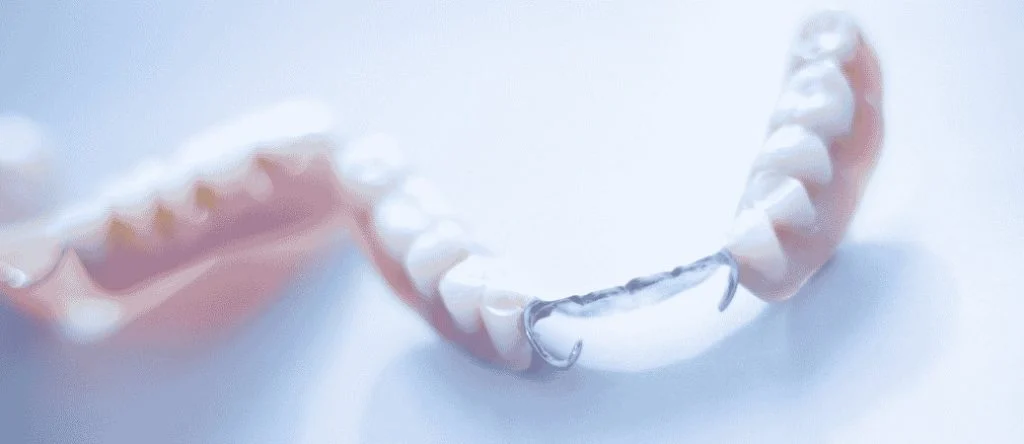
Missing teeth or uncomfortable dentures can make everyday activities like eating and talking feel difficult. Many seniors wonder if there’s a better solution that won’t slip, require messy adhesives, or limit what they can eat.
All-on-4 dental implants can be an excellent choice for seniors, with success rates of 92-98% for patients over 65 and successful outcomes even in patients in their 80s and 90s.
This treatment replaces a full arch of teeth using just four implants per jaw. Unlike traditional dentures that sit on your gums, these implants attach directly to your jawbone.
They stay in place permanently and feel more like natural teeth.
The decision to get All-on-4 implants involves understanding the benefits, risks, and costs. You’ll also want to know how the procedure works and whether your health conditions affect your eligibility.
This guide covers everything you need to make an informed choice about whether All-on-4 is the right choice for your situation.
Key Takeaways
- All-on-4 implants offer seniors a stable, permanent alternative to traditional dentures with high success rates across all age groups
- The procedure requires good overall health and adequate bone density, though age alone does not disqualify you from treatment
- While costs range from $15,000-$30,000 per arch, the long-term benefits include better nutrition, improved confidence, and implants that can last 20 years or more with proper care
Table of Content
- Core Facts About All-on-4 Dental Implants for Seniors
- Benefits of All-on-4 Implants for Seniors
- Comparing All-on-4 to Traditional Dentures and Alternatives
- Key Considerations and Risks for Seniors
- What to Expect from the All-on-4 Procedure
- Making the Decision: Is All-on-4 the Right Choice for You?
- Frequently Asked Questions
Core Facts About All-on-4 Dental Implants for Seniors
All-on-4 dental implants work differently than standard implants, using just four strategically placed posts to support a full arch of prosthetic teeth.
Your bone density, overall health, and the specific angle of implant placement all play key roles in determining if this option suits your needs.

How All-on-4 Differs from Traditional Implants
Traditional dental implants typically require one implant for each missing tooth, which means you might need eight to ten implants per arch.
All-on-4 dental implants use only four implants to support an entire set of teeth on your upper or lower jaw.
The back implants in the All-on-4 technique are placed at a 30 to 45-degree angle. This angled placement lets your dentist avoid areas where bone loss has occurred and takes advantage of the stronger bone in your jaw.
Traditional implants go straight down into your jawbone, which often requires bone grafting if you’ve experienced significant bone loss from tooth loss.
You can often receive your temporary prosthetic teeth on the same day as your implant placement with All-on-4.
Traditional implants usually require waiting three to six months between surgery and getting your final teeth, giving time for osseointegration to occur with each individual implant.
What Makes an Ideal Candidate
Your jawbone needs enough density and volume to support the four implants, though less bone is required compared to traditional full-arch implants.
Most seniors over 65 can receive All-on-4 implants if they’re in reasonably good health.
You should have healthy gums without active periodontal disease at the time of surgery. Your dentist will treat any gum disease before moving forward with implant dentistry procedures.
Certain health conditions like uncontrolled diabetes, recent radiation therapy to your head or neck, or taking medications that affect bone healing may require extra evaluation.
Good candidates typically have:
- Multiple missing teeth or complete tooth loss in one or both arches
- Sufficient bone density in the front and back of the jaw
- Good overall oral health or treatable dental issues
- No active infections in the mouth
- The ability to undergo minor oral surgery with local anesthesia or sedation
Smoking can reduce your success rate with dental implants for seniors, so your dentist may ask you to quit before the procedure.
Understanding the All-on-4 Technique
Your oral surgeon places two implants vertically in the front of your jaw where bone tends to be denser. The back two implants go in at angles between 30 and 45 degrees, extending toward the back of your mouth.
This angled approach maximizes contact with available bone and distributes chewing forces more evenly.
The four implants act as anchors for a fixed bridge that contains 10 to 14 prosthetic teeth. Your temporary teeth attach to the implants on the same day as surgery in most cases, so you won’t leave the office without teeth.
These temporary teeth stay in place for three to six months while osseointegration occurs; the process where your jawbone fuses with the titanium implants.
After healing completes, your dentist replaces the temporary bridge with your permanent prosthetic teeth made from more durable materials.
The entire permanent restoration screws into the four implants, creating a secure fit that doesn’t require removal for cleaning. You brush and care for your All-on-4 implants just like natural teeth to maintain your oral health.
Benefits of All-on-4 Implants for Seniors
All-on-4 implants deliver stability that dentures can’t match, allowing you to enjoy meals without worry. They also protect your jawbone from shrinking and give you back the confidence to smile and speak freely.
Restoring Chewing Efficiency and Diet
Traditional dentures give you only about 20% of your original biting force. All-on-4 implants restore up to 90% of your natural chewing power.
This means you can eat foods you’ve been avoiding for years. Apples, nuts, steak, and fresh vegetables are back on the menu. You won’t need to cut everything into tiny pieces or skip certain foods at family dinners.
The implants stay firmly in place while you chew. There’s no slipping or clicking that makes eating stressful. Your taste buds also work better because upper implants don’t cover your palate like traditional dentures do.
Better chewing means better nutrition. You can eat protein-rich foods and fiber that your body needs to stay healthy.
Improved Quality of Life and Confidence
Fixed teeth change how you interact with the world around you. You can laugh without worrying about your teeth moving or falling out.
Speaking becomes easier and clearer. Unlike loose dentures that can slip and cause whistling sounds, All-on-4 implants stay stable when you talk. This makes conversations more natural and comfortable.
Many seniors report feeling years younger after getting their implants. You stop avoiding social situations because you’re embarrassed about your teeth.
Going out to restaurants, attending family gatherings, and meeting friends becomes enjoyable again.
The psychological benefits are real. Enhanced confidence affects every part of your daily life, from your relationships to your willingness to stay active and engaged.
Enhanced Oral Health and Bone Preservation
When you lose teeth, your jawbone starts to shrink because it no longer gets the stimulation it needs. This process makes you look older and can change the shape of your face.
All-on-4 implants act like natural tooth roots. They send signals to your jawbone that tell it to stay strong and healthy. This preserves your jaw strength and prevents the “sunken” look that often comes with tooth loss.
The implants also support your lips and cheeks from the inside. This maintains your facial structure and keeps you looking more youthful.
Improved oral health follows naturally. Because the teeth are fixed in place, you can brush and floss around them just like natural teeth. There’s no need for messy adhesives or overnight soaking solutions.
Simple Maintenance and Lasting Durability
You care for All-on-4 implants the same way you’d care for natural teeth. Brush twice daily, floss around the implants, and visit your dentist for regular checkups.
There’s no complicated cleaning routine. You don’t need to remove your teeth at night or soak them in special solutions. The full-arch restoration stays in your mouth 24/7.
The durability is impressive. With proper care, All-on-4 implants can last 20 years or more. The prosthetic arch itself may need adjustments or replacement after 10 to 15 years, but the titanium posts often last a lifetime.
This longevity makes them cost-effective over time. While the upfront investment is higher than dentures, you won’t need frequent replacements or repairs.
Most seniors find that the advantages of All-on-4 far outweigh the initial cost when they consider years of use.
Comparing All-on-4 to Traditional Dentures and Alternatives
All-on-4 implants differ from removable dentures in three main ways: how stable they feel in your mouth, how you take care of them each day, and what they cost over time.
Stability and Function: Implants Versus Dentures
All-on-4 implants attach directly to your jawbone with four titanium posts. This means they don’t move when you eat or talk. Traditional dentures rest on your gums and can shift around, even with denture adhesives.
With All-on-4, you can bite with about 90-95% of the force you had with natural teeth. Removable dentures only give you 30-50% of that strength. This means you can eat tougher foods like apples and steak without worry.
Ill-fitting dentures often slip during meals or conversations. Many seniors avoid certain foods or social situations because of this. All-on-4 eliminates these concerns since the teeth stay firmly in place.
Other options like mini dental implants or dental bridges exist too. Mini implants are smaller but may not work as well for full tooth replacement. Bridges need healthy teeth nearby to attach to, which isn’t always possible for seniors.
Daily Care and Convenience
You brush and floss All-on-4 implants just like regular teeth. They never come out of your mouth. You don’t need special cleaners or overnight soaking.
Traditional dentures require more steps. You remove them at night, clean them with special solutions, and store them in water. You might need to apply adhesive each morning before putting them back in.
Here’s what daily care looks like:
| Care Task | All-on-4 | Removable Dentures |
| Removal needed | No | Yes (daily) |
| Special cleaners | No | Yes |
| Adhesives | No | Often yes |
| Overnight routine | Brush before bed | Remove, clean, soak |
For seniors with arthritis or limited hand strength, the simple care routine of All-on-4 makes life easier.
Cost Considerations and Longevity

All-on-4 costs more upfront than dentures for seniors. You might pay $15,000 to $30,000 per arch. Traditional dentures typically cost $1,000 to $3,000 per arch initially.
But dentures need replacing every 5-7 years as your jawbone changes shape. They also need relining every 1-2 years to maintain fit. These ongoing costs add up over time.
All-on-4 implants can last 20+ years with proper care. The titanium posts often last a lifetime. You might need to replace the visible teeth after 10-15 years, but the base stays in place.
When you calculate total costs over 20 years, the gap between tooth replacement options narrows significantly.
All-on-4 also preserves your jawbone, which prevents the sunken facial appearance that happens with long-term denture use.
Key Considerations and Risks for Seniors
Before choosing All-on-4, seniors need to understand how their overall health, bone condition, and recovery ability affect success rates.
Age alone doesn’t disqualify you, but certain medical factors and potential complications deserve careful thought.
Medical Considerations and Candidacy
Your general health plays a bigger role than your age when it comes to dental implant candidacy. Most seniors in their 70s and 80s can safely receive All-on-4 implants if they’re in good overall health.
However, certain conditions require extra attention. Uncontrolled diabetes can slow healing and increase infection risk.
If you take blood thinners, your dentist may need to adjust your medication before the dental implant procedure. Seniors with heart conditions should get clearance from their cardiologist first.
Osteoporosis deserves special mention. While this bone-weakening disease affects many older adults, it doesn’t automatically rule out implants.
Your dentist will evaluate your specific situation and may recommend bone-strengthening medications before surgery.
Smoking significantly reduces implant success rates. If you smoke, quitting several weeks before the dental implant surgery gives you the best chance for proper healing.
Bone Density and Jawbone Health
Adequate bone density is essential for implants to stay stable long-term. When you lose teeth, your jawbone begins to shrink because it no longer gets stimulation from tooth roots.
All-on-4 offers an advantage here. The implants are placed at strategic angles in areas with naturally higher jawbone density. This approach often eliminates the need for bone grafting, which many seniors want to avoid.
Your dentist will use 3D imaging to measure your bone density before treatment. If bone loss is significant, you might still qualify for All-on-4 when traditional implants wouldn’t work.
The procedure actually helps with bone preservation by stimulating your jaw just like natural tooth roots.
Potential Risks, Complications, and Recovery
The dental implant procedure carries some risks you should know about. Infection at the implant site can occur, though proper oral hygiene greatly reduces this chance.
Nerve damage is rare but possible, potentially causing temporary numbness in your lip or chin.
The dental implant surgery is typically performed under local anesthesia with sedation options for added comfort. Most seniors report minimal pain during the procedure itself.
Recovery takes longer for older adults than younger patients. Expect swelling and mild discomfort for the first few days. You’ll need to eat soft foods for several weeks while your implants integrate with bone.
Implant failure happens in about 5% of cases. This risk increases if you have untreated health conditions or don’t follow post-surgery care instructions.
Regular dental visits help catch problems early and protect your investment.
What to Expect from the All-on-4 Procedure
The All-on-4 process involves several stages, from your first appointment with a dental implant specialist through final placement of permanent teeth.
Most patients receive temporary teeth on surgery day and transition to their final restoration after healing completes.
Initial Consultation and Assessment
Your journey starts with a detailed consultation where a dental implant specialist examines your oral health and jawbone structure.
The specialist uses 3D scans and x-rays to map your jaw and plan exact implant placement angles.
During this visit, you’ll discuss your medical history and any medications you take. The specialist checks if you have enough bone density to support the implants without grafting.
They’ll also explain whether any remaining teeth need removal before implant surgery.
This planning phase determines your eligibility and helps create a custom treatment plan. The specialist uses implant-specific tools during the evaluation to measure bone quality and identify the best positions for your four implants.
You’ll leave with a clear timeline and understanding of what comes next.
Implant Surgery and Temporary Teeth
On surgery day, you’ll receive sedation to keep you comfortable throughout the procedure. If you still have failing teeth, the dental implant specialist removes them before placing the implants.
The surgeon then places four titanium implants into precise positions in your jawbone. Two implants go toward the front of your jaw, while the back two angle slightly to maximize stability and use available bone effectively.
Most patients receive a temporary fixed bridge attached to the implants on the same day. This means you walk out with a complete set of teeth rather than waiting months without them. These temporary teeth let you speak normally and eat soft foods while your implants heal.
The entire implant surgery typically takes a few hours per arch. Your specialist will give you specific instructions about medications, diet, and activity restrictions for the recovery period ahead.
Integration and Final Prosthetics
After implant surgery, your jawbone begins fusing with the titanium implants through a process called osseointegration.
This healing phase usually takes three to six months and is essential for long-term implant success rate.
During this time, you’ll wear your temporary teeth while the implants stabilize. You’ll need to stick with softer foods at first, then gradually return to normal chewing as healing progresses.
Once your specialist confirms the implants have fully integrated, they take impressions for your permanent bridge. This final restoration uses stronger materials and looks more natural than your temporary set.
The permanent prosthetics are custom-made by restorative dentistry experts to match your facial structure and bite pattern.
Your specialist attaches the final teeth using specialized implant-specific tools that ensure proper fit and function.
Recovery, Aftercare, and Dental Check-ups

You’ll experience some swelling and discomfort for the first few days after implant placement. Pain medication and ice packs help manage these symptoms, which typically improve within a week.
Following post-surgery instructions carefully helps ensure proper healing. You’ll need to eat soft foods, avoid smoking, and keep the surgical area clean using prescribed mouth rinses.
Regular dental check-ups allow your specialist to monitor healing and address any concerns early. Your first follow-up usually happens within a week of surgery, with additional visits scheduled throughout the integration period.
Once you receive your final teeth, you’ll need ongoing check-ups every six months. These visits help maintain your implants and catch potential issues before they become serious.
Proper daily cleaning at home combined with professional dental check-ups helps maximize your implant success rate and keeps your new smile functioning well for years.
Making the Decision: Is All-on-4 the Right Choice for You?
Your decision should balance your daily needs with long-term goals, while finding a dentist who understands your specific situation as a senior.
Lifestyle and Emotional Impacts
All-on-4 can change how you interact with friends and family during meals.
You’ll be able to eat most foods without worry, which makes dining out less stressful. Many seniors report feeling more willing to smile and laugh in social situations after getting their new teeth.
The adjustment period varies from person to person. You might notice differences in how food feels in your mouth at first. Some people experience minor speech changes while they adapt to the bridge’s thickness.
These issues typically improve with time and practice.
Your daily routine will become simpler compared to traditional dentures. You won’t need to remove your teeth for cleaning or use adhesives.
The benefits of dental implants for seniors include brushing and flossing similar to natural teeth, which feels more normal for most people.
Long-Term Satisfaction and Success
The implant success rate for All-on-4 is high when you maintain good oral hygiene and attend regular dental visits. Your jawbone stays stronger because the implants stimulate it like natural tooth roots.
Most seniors who choose All-on-4 report satisfaction years after treatment. The fixed bridge stays in place permanently, which provides stability you can count on.
You won’t worry about your teeth slipping during conversations or meals.
Your investment pays off through improved quality of life. Enhanced confidence often leads to better social engagement and mental health.
The treatment typically lasts many years with proper care, making it a solid long-term solution.
Finding the Right Dental Professional
Your dentist should have specific experience with All-on-4 procedures and treating older adults. Ask how many All-on-4 cases they’ve completed and request to see before-and-after photos of previous patients.
Look for a practice that uses advanced imaging technology for treatment planning. This helps ensure accurate implant placement and better outcomes. Finding a dentist who takes time to explain your options and answer questions is essential.
Schedule consultations with multiple providers before committing. Compare their approaches to your case and how comfortable you feel with each team.
Your dentist should discuss potential complications honestly and explain how they handle any issues that arise.
Frequently Asked Questions
Many seniors wonder if they qualify for All-on-4 implants and how their age or health might affect the process. Cost concerns and recovery expectations are also common questions that deserve clear answers.
Am I a good candidate for this type of full-arch implant treatment as I get older?
Age alone doesn’t disqualify you from getting All-on-4 implants. Success rates remain high for patients over 65, ranging from 94-98% for those in their 70s and 80s.
What matters most is your overall health status and bone quality. Your dentist will look at whether you can safely undergo the surgical procedure and heal properly afterward.
Patients in their 90s have successfully received dental implants with good outcomes. The key is having a thorough evaluation to assess your individual situation.
You’ll need adequate jawbone density to support the implants. Your ability to maintain good oral hygiene also plays a role in long-term success.
What health conditions or medications might prevent me from getting these implants?
Certain medical conditions require special consideration but don’t automatically rule you out. Controlled diabetes with HbA1c levels below 7% generally allows you to proceed with treatment.
If you have heart disease, you’ll likely need clearance from your cardiologist. Stable cardiac conditions usually don’t prevent implant placement, but recent heart events may require waiting.
Blood thinners like warfarin or Xarelto need careful management during surgery. Your dentist will coordinate with your physician to adjust medications safely before and after the procedure.
Bisphosphonate medications for osteoporosis carry a small risk of jaw complications. Your dental team will evaluate whether a temporary break from these medications makes sense.
Immunosuppressant drugs can affect healing and increase infection risk. These require modified treatment protocols and enhanced monitoring throughout your recovery.
How does the recovery process look for seniors, and how long does it usually take?
The initial healing period typically takes 2-3 weeks for soft tissue to recover. You’ll experience some swelling and discomfort during the first few days that gradually improves.
Most seniors can return to normal activities within a week of surgery. You’ll need to stick with soft foods during the early healing phase to protect your new implants.
Complete osseointegration may take 4-6 months for older patients compared to 3-4 months for younger individuals. This is the time needed for your jawbone to fuse completely with the implants.
Your dentist will schedule more frequent follow-up visits to monitor your progress. Having a caregiver to help with transportation and meal preparation makes recovery easier.
Will I need bone grafting, or can this work even if I’ve had bone loss?
All-on-4 implants work well for many seniors who have experienced bone loss. The angled placement of the back implants maximizes use of your existing bone.
This technique often eliminates the need for bone grafting procedures. The four implants are strategically positioned to anchor in areas where bone density remains adequate.
Some patients still require bone grafting if bone loss is severe. Your dentist will use 3D imaging to evaluate your bone structure and determine if grafting is necessary.
When grafting is needed, it adds 3-6 months to your treatment timeline. The additional cost ranges from $500-$3,000 depending on the extent of grafting required.
How long can a full set of implants last with good care and regular checkups?
The implants themselves can last 20 years or longer with proper maintenance. The prosthetic teeth attached to them typically need replacement every 10-15 years due to normal wear.
Your daily oral hygiene routine directly impacts how long your implants last. Brushing twice daily and cleaning around the implants prevents infection and bone loss.
Regular dental checkups every 3-6 months help catch potential problems early. Professional cleanings remove buildup that you can’t eliminate at home.
Avoiding smoking and managing conditions like diabetes improve your implant longevity. Studies show 95% of senior patients maintain successful implants over 10 years with proper care.
How do the costs compare to dentures, and what financing or insurance options are common?
All-on-4 implants cost $15,000-$30,000 per arch compared to $1,000-$3,000 for traditional dentures. While the upfront cost is higher, implants don’t need replacement as often as dentures.
Original Medicare doesn’t cover dental implants in most situations. Some Medicare Advantage plans offer limited dental benefits that may help with costs.
AARP members can access discounts of 5-20% at participating dental offices. Many practices offer senior-specific payment plans with extended terms and lower monthly payments.
Dental financing companies provide options specifically designed for fixed-income seniors. Some families choose to share payment responsibilities across multiple generations to make treatment affordable.