Missing most or all of your teeth changes how you eat, speak, and feel about your smile. When you need to replace many teeth, you have two main paths: full mouth implants or partial dentures. Both work, but they’re not the same.
Full mouth implants are usually the better choice when you want a permanent solution that protects your jawbone, feels like natural teeth, and won’t slip while eating or talking.
Partial dentures work well if you need a quick fix, want something less expensive upfront, or can’t have surgery. The right pick depends on your budget, health, and what matters most to you.
Understanding the differences between implants and partial dentures helps you make a choice you’ll feel good about. This guide breaks down when each option makes sense so you can move forward with confidence.
Key Takeaways
- Full mouth implants offer a permanent solution that prevents bone loss and feels more natural than partial dentures
- Partial dentures cost less upfront and require no surgery, making them a faster option for some patients
- Your best choice depends on your jawbone health, budget, lifestyle needs, and whether you want a removable or fixed solution
Table of Content
- Key Differences Between Full Mouth Implants and Partial Dentures
- When to Choose Full Mouth Implants
- When Partial Dentures Might Be the Better Option
- Comparing Long-Term Outcomes and Oral Health
- Frequently Asked Questions
Key Differences Between Full Mouth Implants and Partial Dentures
Full mouth implants anchor directly into your jawbone through osseointegration, while partial dentures rest on your gums as a removable prosthetic.
The choice between these options affects everything from your chewing function to how confident you feel when you smile.
How Full Mouth Implants Work
Full mouth implants use titanium posts that your dentist surgically places into your jawbone. These posts act like tooth roots and bond with your bone through osseointegration, which typically takes several months.
Once the implants fuse with your bone, your dentist attaches a full arch of denture on top. You usually need four to eight implants per arch to support all your teeth.
Implant-supported dentures can be fixed permanently or designed as snap-in dentures that click into place. They give you more stability than traditional dentures but still let you remove them for cleaning.
The implants stimulate your jawbone just like natural teeth. This prevents bone loss and helps maintain your facial structure over time.
What Are Partial Dentures?

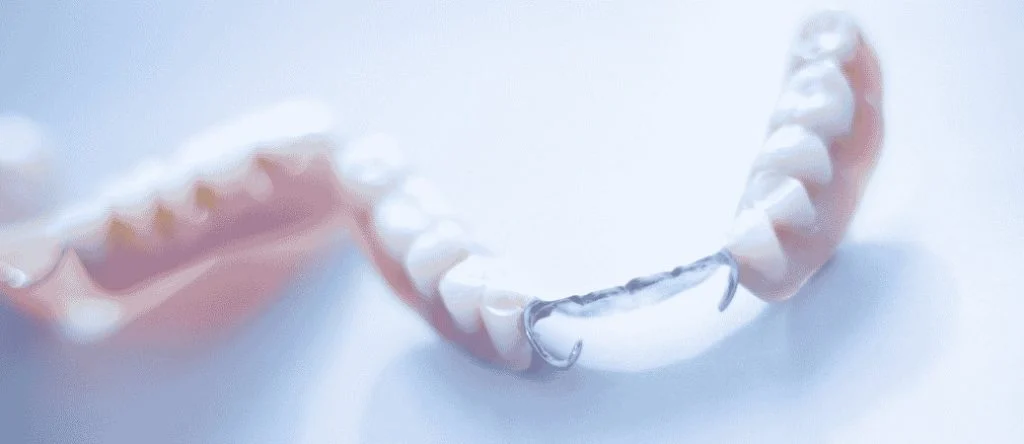
Partial dentures fill in gaps where you’re missing some teeth but still have healthy natural teeth remaining. They’re removable prosthetics that clip onto your existing teeth with metal clasps or precision attachments.
Your dentist creates partial dentures from a combination of acrylic, metal, and replacement teeth. You can take them out at night for cleaning and soaking.
These removable dentures rely on your gums and remaining teeth for support. They don’t connect to your jawbone, which means they won’t prevent bone loss in the areas where teeth are missing.
Most partial dentures need replacement every five to ten years as your mouth shape changes. You’ll also need adjustments over time to maintain a proper fit.
Dentures vs Implants: Stability and Function
Stability Comparison:
| Feature | Full Mouth Implants | Partial Dentures |
| Movement while eating | No shifting | May shift or slide |
| Adhesive needed | None | Sometimes required |
| Bone stimulation | Yes | No |
| Chewing power | 90% of natural teeth | 25-50% of natural teeth |
Your chewing function improves dramatically with dental implants compared to removable dentures. You can bite into apples, corn on the cob, and steak without worry.
Partial dentures can slip while you’re talking or eating, especially with sticky or hard foods. This happens because they sit on top of your gums instead of anchoring into bone.
Aesthetic and Comfort Considerations
Full mouth implants look and feel like your natural teeth. They don’t cover your palate, so you can taste food normally and speak clearly without adjustment.
Partial dentures sometimes show metal clasps when you smile, depending on where your missing teeth are located. The clasps can also put pressure on your natural teeth over time.
You won’t deal with sore spots from rubbing with implants since they’re fixed in place. Removable dentures can create painful pressure points on your gums, especially when they’re new or need adjustment.
Implants help restore your smile with permanent teeth that don’t slip out. You never worry about your teeth falling out while laughing or sneezing.
When to Choose Full Mouth Implants
Full mouth implants work best when you’ve lost most or all of your teeth and want a permanent solution that protects your jawbone.
They’re particularly valuable if you have good bone density or are willing to undergo procedures to strengthen your jaw.

Ideal Candidates for Full Mouth Implants
You’re a good candidate for full mouth implants if you have adequate jawbone density to support the titanium posts.
Your jawbone needs to be strong enough to hold the implants in place during osseointegration, which is the process where the implant fuses with your bone.
If you don’t have enough bone, you might still qualify after getting a bone graft. This procedure adds bone material to strengthen your jaw before placing the implants.
Good candidates typically have:
- Healthy gums without active periodontal disease
- Sufficient jawbone density or willingness to get bone grafting
- Good overall health that supports healing
- Commitment to proper oral hygiene
You should also be a non-smoker or willing to quit, as smoking can interfere with healing and osseointegration.
Benefits of Full Mouth Implants for Jawbone Health

Full mouth dental implants stimulate your jawbone just like natural tooth roots do. When you chew and bite, the titanium posts transfer pressure into your jaw, which keeps the bone active and healthy.
This stimulation tells your body to maintain the bone tissue. Without it, your jaw gradually shrinks and changes shape over time.
Your facial structure stays more youthful with full mouth implants. The bone support prevents the sunken appearance that often happens with traditional dentures. These benefits of dental implants make them a suitable choice for many.
Full Mouth Implants and Preventing Bone Loss
Your jawbone starts to deteriorate when teeth are missing because there’s no root to stimulate it. This process speeds up significantly in the first year after tooth loss.
Dental implants are the only tooth replacement option that helps prevent bone loss in your jaw. The titanium posts act as artificial roots, providing the stimulation your bone needs to stay strong.
Traditional dentures actually speed up bone loss because they sit on top of your gums and put pressure on the bone surface. Over time, this causes the ridge to shrink, making dentures fit poorly.
Full mouth implants preserve your long-term oral health by maintaining bone volume. This stability means you won’t need frequent adjustments or replacements like you would with dentures.
When Partial Dentures Might Be the Better Option
Partial dentures work well for people who need a quick, affordable solution without surgery. They offer flexibility and can be adjusted as your dental needs change over time.
Best Situations for Partial Dentures
You might benefit from a removable partial denture if you’re missing several teeth but still have some healthy natural teeth remaining.
These removable prosthetics fill in gaps where teeth are missing while using your existing teeth for support.
Partial dentures are more affordable upfront compared to implants. This makes them a good choice if you need to restore your smile quickly without a major financial commitment.
They’re also ideal if you don’t have enough jawbone density for implants. You won’t need bone grafts or other preparatory surgeries.
If you prefer to avoid surgical procedures entirely, partial dentures let you restore missing teeth without any cutting or healing time.
Advantages and Disadvantages of Partial Dentures
The advantages of partial dentures include their lower cost and faster timeline. You can usually get fitted and walk out with your new teeth in just a few dental visits.
They’re also easy to clean since you can remove them daily. You can adjust or replace them as your mouth changes over the years.
However, the disadvantages of partial dentures include potential movement while eating or speaking. Metal clasps that hold the denture in place can sometimes be visible when you smile.
Partial dentures require daily care and must be removed and cleaned every night to prevent plaque buildup.
They don’t stimulate your jawbone, which can lead to bone loss over time. You’ll likely need adjustments and replacements every 5 to 10 years.
Partial Dentures for Flexible and Non-Surgical Solutions
If you want something removable and adaptable, partial dentures give you that flexibility. You can take them out for cleaning or while you sleep, which some people find more comfortable.
They’re a good temporary solution while you’re deciding on a permanent option. You might choose partial dentures now and switch to implants later when you’re ready for surgery or have saved more money.
For people with certain health conditions that make surgery risky, removable partial dentures provide a safe alternative.
You can restore your ability to chew and speak properly without undergoing invasive procedures or lengthy recovery periods.
Comparing Long-Term Outcomes and Oral Health
Full mouth implants and partial dentures affect your mouth differently over time. Your choice impacts bone health, daily maintenance routines, and how long your tooth replacement will last.

Impact on Oral Hygiene and Maintenance
Full mouth implants are the most natural teeth replacement and they are cleaned the same way. You brush and floss around them the same way you would with your original teeth.
There’s no need to remove them or use special cleaning solutions.
Partial dentures require more involved care. You need to remove them daily for cleaning and soak them overnight.
Food particles can get trapped under the denture base, which increases your risk of cavities and gum disease on your remaining natural teeth.
The areas where partial dentures attach to your natural teeth need extra attention. Bacteria can build up at these connection points if you don’t clean thoroughly.
This makes maintaining good oral hygiene more challenging compared to implants.
Dental Implants vs Partial Dentures: Longevity
Full mouth dental implants provide 98% chewing power and can last decades with proper care. Most implants stay functional for 20 years or longer. Some last a lifetime.
Partial dentures typically need replacement every 5 to 8 years. The plastic base wears down and loses its fit as your mouth changes. Metal clasps can weaken or break over time.
You’ll spend less money long-term with implants despite higher upfront costs. Partial dentures require regular adjustments, relines, and eventual replacement. These ongoing expenses add up over the years.
Bone Loss and Gum Health Implications
Your jawbone needs stimulation from tooth roots to stay healthy. When you lose teeth, the bone starts to shrink. Full mouth implants act like natural tooth roots and prevent this bone loss. They keep your jaw structure intact.
Partial dentures don’t stop bone deterioration. The bone under the denture base continues to shrink because there’s no root stimulation. This causes your dentures to fit poorly over time.
Bone loss affects your face shape and ages your appearance. Your cheeks can look sunken and your jaw may appear smaller. Full mouth implants help preserve your facial structure by maintaining bone density in your jaw.
Your gum health also benefits from implants. Partial dentures can irritate your gums and create sore spots from pressure and friction. This irritation can lead to inflammation and infections if not addressed quickly.
Frequently Asked Questions
People considering tooth replacement options often have similar questions about candidacy, comfort, costs, and care requirements.
These answers address the most common concerns when deciding between full mouth implants and partial dentures.
How do I know if I’m a good candidate for full mouth implants instead of partial dentures?
Your jawbone density and overall oral health are the main factors that determine if you’re a good candidate for full mouth implants. Implants need enough bone structure to anchor securely in your jaw.
Your dentist will take X-rays or CT scans to check your bone density. If you don’t have enough bone, you might need bone grafting before getting implants.
You also need healthy gums and good overall health. Conditions like uncontrolled diabetes or active gum disease may affect healing after implant surgery.
If you’re missing most or all of your teeth and have adequate bone structure, full mouth implants could be your best option. Your age doesn’t necessarily disqualify you, as many older adults successfully receive implants.
What are the biggest day-to-day comfort differences between implants and partial dentures?
Full mouth implants feel and function like your natural teeth because they’re permanently fixed in your jaw. You won’t experience any slipping or clicking when you eat or talk.
Partial dentures sit on top of your gums and can move around in your mouth. This movement can cause discomfort and make it harder to eat certain foods.
You can eat whatever you want with implants without worrying about food getting stuck underneath. Implants let you bite with normal force, so you can enjoy crunchy vegetables, tough meats, and sticky foods.
Partial dentures require daily removal for cleaning. You’ll need to take them out at night and clean them separately from your natural teeth.
With implants, you brush and floss just like you would with natural teeth. There’s no need to remove anything or use special cleaning solutions.
How does bone loss affect whether implants are a better option than partial dentures?
Your jawbone starts to shrink when you lose teeth because it no longer receives stimulation from tooth roots. This process is called bone resorption.
Dental implants prevent bone deterioration by stimulating the jawbone just like natural tooth roots do. The titanium posts fuse with your bone and keep it strong.
Partial dentures don’t stop bone loss. They sit on top of your gums and don’t provide the stimulation your jawbone needs to maintain its density.
As your bone continues to shrink with partial dentures, your facial structure can change. Your face may look sunken or aged over time.
The longer you wait to get implants after tooth loss, the more bone loss you may experience. This could mean you need bone grafting procedures before implant placement becomes possible.
What’s the typical timeline from consultation to having a full set of implant teeth?
The full mouth implant process usually takes three to six months from start to finish. Your specific timeline depends on whether you need additional procedures like bone grafting or tooth extractions.
Your first consultation involves X-rays, impressions, and a treatment plan discussion. This appointment helps your dentist determine if you’re a candidate and what steps you’ll need.
The implant surgery takes a few hours, and you’ll need several months for the implants to fuse with your jawbone. This healing process is called osseointegration and is essential for long-term success.
You may receive temporary teeth to wear while your implants heal. These help you eat and speak normally during the waiting period.
After healing is complete, your dentist attaches the permanent crowns or bridges to your implants. This final step usually takes one or two appointments.
How do costs and long-term value compare between full mouth implants and partial dentures?
Full mouth implants cost more upfront, typically ranging from $20,000 to $45,000 for a full arch. Partial dentures usually cost between $500 and $2,500.
Dental implants can last a lifetime with proper care, making them a one-time investment. Partial dentures need replacement every five to ten years due to wear and changes in your mouth.
When you factor in replacement costs, adjustments, and repairs over 20 or 30 years, partial dentures can end up costing more. You’ll also need to buy cleaning products and adhesives regularly.
Many dental insurance plans offer limited coverage for implants, though some cover a portion of the procedure. Partial dentures typically have better insurance coverage.
Financing options are available at most dental offices if you can’t pay the full implant cost upfront. Monthly payment plans can make implants more affordable.
What kind of maintenance and cleaning is needed for implants compared to partial dentures?
You care for dental implants the same way you care for natural teeth. Brush twice daily and floss once a day to remove plaque and food particles.
Partial dentures require removal for cleaning at least once daily. You’ll need to brush them with a soft-bristled brush and soak them in denture cleaner.
You should also brush your remaining natural teeth and gums before putting partial dentures back in your mouth. This prevents bacteria buildup and keeps your gums healthy.
With implants, you’ll need regular dental checkups every six months. Your dentist will check the implants and clean your teeth just like a normal visit.
Partial denture wearers need adjustments and relines as their mouth shape changes. These appointments help keep dentures fitting properly and prevent sore spots.