If your dentist says you need bone grafting before dental implants, you may feel unsure about what comes next. Bone graft surgery rebuilds areas of your jaw that have lost bone, often after tooth loss or gum disease.
You can expect a minor surgical procedure that adds bone to your jaw, followed by a healing period of several months before your implant is placed.
During the procedure, your dentist or oral surgeon places bone material in the weak area of your jaw to create a stable base for an implant.
You may have swelling, mild pain, or bruising for about a week. Over time, your body fuses with the graft and forms strong new bone.
Healing takes patience, but it plays a key role in long-term implant success. When you understand the process, recovery, and timeline, you can move forward with confidence and know what to expect at each stage.
Key Takeaways
- Bone grafting rebuilds your jaw to support a stable dental implant.
- The procedure is minor, but full healing can take several months.
- Proper healing helps improve the strength and long-term success of your implant.
Table of Content
- Why Bone Grafting Is Needed Before Dental Implants
- Types of Bone Grafts and Materials Used
- Bone Graft Surgery Procedure: What Happens Step by Step
- Recovery, Healing, and Risks After Bone Grafting
- Moving Forward: Implant Placement and Restoration Options
- Frequently Asked Questions
Why Bone Grafting Is Needed Before Dental Implants
Your jaw bone must be strong and thick enough to hold dental implants in place. Bone grafting rebuilds lost bone so your implant can bond securely and support long-term tooth restoration.

Jawbone Loss After Tooth Removal
When you lose a tooth, your jaw bone no longer receives pressure from chewing. That pressure keeps bone tissue active. Without it, the bone begins to shrink.
This process can start within months after a tooth is removed. Over time, the area becomes thinner and shorter. If too much bone disappears, an oral surgeon may not have enough structure to place a stable implant.
A bone graft for dental implants rebuilds that missing area. The graft acts as a framework where new bone can grow.
After healing, your jaw bone can support osseointegration. This process allows the implant to fuse directly with the bone, which is key to success in restorative dentistry.
Impact of Gum Disease and Trauma
Gum disease can damage more than your gums. In advanced stages, it destroys the bone that holds your teeth in place.
As infection spreads, it breaks down the jaw bone around the roots. Even if you treat the infection, the lost bone does not grow back on its own. You may need bone regeneration before moving forward with dental implants.
Facial injuries can also reduce bone volume. A fall, sports injury, or accident can fracture or weaken the jaw bone. In these cases, a bone graft helps rebuild structure before implant placement.
Dentists often recommend grafting because implants need solid bone for support.
Jawbone Volume, Density, and Implant Success
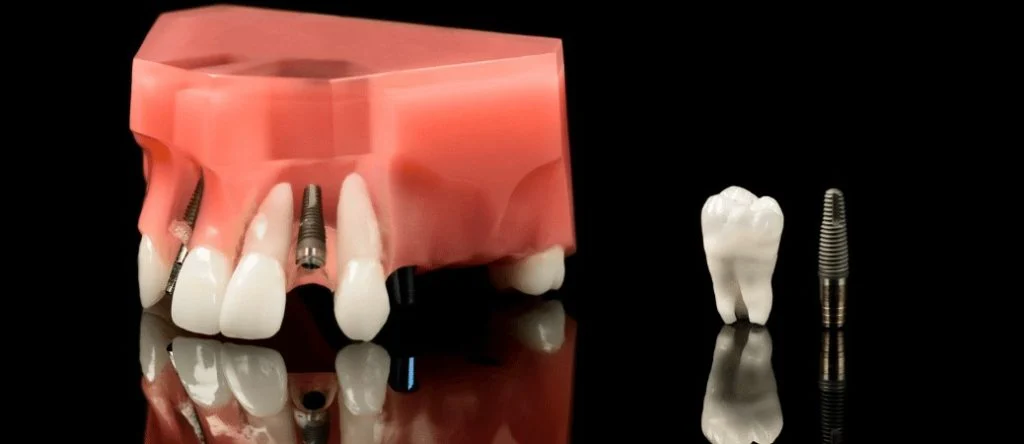
Dental implants act like artificial tooth roots. They sit inside your jaw bone and rely on direct contact with healthy bone tissue.
For this to work, you need enough bone height, width, and density. If the bone is too soft or too thin, the implant may fail to bond through osseointegration.
An oral surgeon checks your bone with imaging before surgery. If the scan shows weak or narrow areas, a bone graft can strengthen the site. The graft increases:
- Bone thickness for proper implant width
- Bone height for full root support
- Bone density for long-term stability
With enough healthy bone, your implant can fuse correctly and support a crown that feels secure when you chew and speak.
Types of Bone Grafts and Materials Used
Dentists use several types of bone grafts to rebuild your jaw before placing an implant. Each option differs in where it comes from, how it heals, and how it supports your dental implant.
Autograft and Allograft Options
An autograft uses bone taken from your own body. Your surgeon may remove a small amount of bone from your chin, jaw, or hip and place it where your jaw needs support.
Because the bone comes from you, your body accepts it well. It contains living cells that help new bone grow. This makes it one of the most reliable choices for bone grafting.
However, you need a second surgical site. That can increase soreness and healing time.
An allograft uses donated human bone from a tissue bank. The bone goes through strict screening and sterilization before use. You avoid a second surgical area, which makes the procedure simpler.
Many dentists use allografts for moderate bone loss.
Xenograft and Synthetic Materials
A xenograft comes from animal bone, most often bovine (cow). Manufacturers remove organic parts, leaving a mineral structure that supports new bone growth.
Your body slowly replaces this material with your own bone. Xenografts are widely available and do not require another surgical site.
An alloplast is a fully synthetic material. Common options include calcium phosphate and hydroxyapatite. These materials act as a scaffold that guides your natural bone to grow into the area.
One major benefit of synthetic grafts is that they do not carry a risk of disease transmission from human or animal tissue. Some materials dissolve faster than others, so your dentist chooses one that matches your healing rate.
Choosing the Right Graft for Your Needs
Your dentist does not pick a bone graft at random. They look at your bone volume, bone density, and overall health before recommending a bone graft for dental implant placement.
If you have severe bone loss, you may need a stronger option like an autograft. If you want to avoid a second surgical site, an allograft or xenograft may suit you better.
Your medical history also matters. Smoking, diabetes, and certain medications can affect healing speed.
During your consultation, your dentist explains why a specific dental bone graft fits your case. The goal stays the same with all types of bone grafts: create enough stable bone to hold your implant securely for the long term.
Bone Graft Surgery Procedure: What Happens Step by Step
You move through bone graft surgery in clear stages, from exam to imaging to graft placement. Each step prepares your jaw to support a strong and stable dental implant.
Initial Dental Implant Consultation

Your dental implant consultation sets the plan for your care. You review your medical history, current medications, and any health issues that may affect healing.
Your dentist or oral surgeon examines your teeth and gums. They check for bone loss, gum disease, or infection that could affect the bone grafting procedure.
You also talk about your goals. If you lost a tooth months or years ago, your provider explains how bone shrinkage may limit implant placement without a graft.
During this implant consultation, you learn why you may need a graft and what type of material may work best. A provider adds natural or lab-made bone material to areas where bone has thinned or been lost.
You leave this visit with a clear treatment plan and a timeline for surgery and healing.
Planning and Imaging Techniques
After your exam, your provider uses imaging to measure your jawbone. Most offices take digital X-rays or a 3D cone beam CT scan.
These images show:
- Bone height and width
- Location of nerves and sinuses
- Areas of bone loss
- Signs of infection or damage
Your surgeon studies these images before the bone graft procedure. This step lowers the risk of placing graft material too close to nerves or sinus cavities.
You may also discuss sedation options for oral surgery. Some patients choose local anesthesia only, while others prefer IV sedation.
Your provider gives you written instructions before surgery. You may need to stop certain medications, avoid smoking, and arrange a ride home if you plan to use sedation.
Surgical Process With Graft Placement
On the day of bone graft surgery, your provider numbs the area with local anesthesia. If you choose sedation, the team monitors your heart rate and blood pressure during the procedure.
Your surgeon makes a small cut in the gum to reach the jawbone. They clean the area and remove any damaged tissue.
Next, they place the graft material into the weak or thin area of bone. The material may come from your own body, a donor source, or a lab-made product.
In some cases, your surgeon covers the graft with a special membrane. This helps protect the area while new bone forms.
They then close the gum with stitches. The full bone grafting procedure often takes about one to two hours, depending on the size of the graft.
After surgery, you can expect swelling, tenderness, or mild bruising for about a week. Your provider gives you detailed aftercare steps to support healing and protect the graft.
Recovery, Healing, and Risks After Bone Grafting
You can expect mild swelling, soreness, and a healing period that lasts several months. Most problems are rare, but you should know the signs of normal bone graft healing and when to call your dentist.
Bone Graft Healing Timeline and Signs
Your bone graft recovery happens in stages. Most people feel better within 7 to 10 days, but the bone itself takes much longer to heal.
Initial healing of the gums usually takes about one to two weeks. The deeper bone graft healing time is often at least three months. Larger grafts may need six to 12 months before your dentist can place an implant.
During early healing, you may notice:
- Mild swelling
- Light bruising
- Small bone particles that look like grains of sand
Small fragments can be normal in the first few days. Your body slowly replaces the graft material through bone regeneration, turning it into strong natural bone.
Healthy dental bone graft healing means the area feels less tender over time, not more painful.
Managing Discomfort and Swelling
You will likely have swelling and soreness for several days. Most discomfort improves within a week.
To support smooth bone graft healing, follow these steps:
- Use ice packs on your cheek for 15 to 20 minutes at a time
- Keep your head raised when you rest
- Eat soft foods like yogurt, eggs, and soup
- Take pain medicine or antibiotics exactly as prescribed
Avoid smoking, heavy lifting, and hard or crunchy foods. Do not spit forcefully or poke the area with your tongue or fingers.
Good oral hygiene matters, but you must clean gently around the surgical site. Careful habits lower your risk of infection and protect the new bone as it heals.
Graft Failure and Complications
Graft failure does not happen often, but you should know the warning signs. Contact your dentist if you notice severe pain, growing swelling after several days, pus, fever, or a bad taste that does not go away.
Some bone loss can occur if you wait too long to place your implant. After the graft heals, dentists often recommend placing the implant within six to 12 months.
Other possible complications include infection or poor bone regeneration. Smoking, uncontrolled diabetes, and poor oral care increase these risks.
Regular follow-up visits allow your dentist to check bone graft recovery and confirm that the graft is stable before moving forward with your implant.
Moving Forward: Implant Placement and Restoration Options
After your bone graft heals, your care team checks your jaw bone with imaging and plans the next step. The goal is stable dental implant placement and a restoration that fits your bite and budget.
Timing for Dental Implant Placement
Your surgeon places the implant only after the grafted bone becomes dense enough to hold it. For many cases, that means 3 to 6 months of healing, but larger grafts can take longer.
Imaging, not the calendar, confirms readiness. A CBCT scan shows bone width and height so your surgeon can choose the right implant size and position.
During dental implant placement, the surgeon inserts a titanium post into your jaw bone. The visit often takes about one to two hours for a single implant.
You then wait for osseointegration, when the bone bonds to the implant. This step often takes another 3 to 4 months before you receive the final crown.
Costs vary by region and complexity. Your total plan may include the dental bone graft cost, implant surgery, and the crown, so ask for a clear written estimate before you begin.
Sinus Lift and Advanced Grafting Techniques
If you need implants in the upper back jaw, you may also need a sinus lift. This procedure raises the sinus membrane and adds bone so the implant has enough support.
A sinus lift often requires 4 to 9 months of healing, depending on the amount of bone added. Larger lifts usually need more time before implant placement.
Other advanced grafts include block grafts and ridge augmentation. These rebuild areas where bone loss is severe.
Advanced procedures increase treatment time and may raise your bone graft cost. However, they create the stable base your implant needs to last.
All-on-4 and Full-Mouth Restorations

If you are missing most or all teeth, you may consider All-on-4 or similar full-mouth options. This method uses four or more implants to support a fixed bridge.
In some cases, your surgeon can place implants and attach a temporary set of teeth on the same day. This works only if your jaw bone provides strong initial stability.
Even when minor grafting is needed, many patients still qualify for immediate loading.
Full-mouth treatment often combines grafting, implant placement, and a final custom bridge.
Because it involves multiple implants, the total cost is higher, but it replaces all missing teeth with a fixed solution you do not remove at night.
Frequently Asked Questions
You may wonder about cost, healing time, warning signs, and the materials your dentist might use. Clear answers help you plan your budget, recovery time, and next steps toward getting your implant.
How much does a dental bone graft usually cost?
The cost depends on the size of the graft, the material used, and whether you need it with a tooth extraction or as a separate surgery. Small grafts cost less than larger grafts that rebuild more bone.
Your location and the type of specialist you see also affect the price. Dental insurance may cover part of the cost if the graft is medically necessary, but many plans limit coverage for implant-related care.
Ask your dental office for a written estimate so you know what your total fees include.
What are the typical healing stages after a dental bone graft?
In the first week, you can expect swelling, tenderness, and mild bruising. Most of these symptoms improve within 7 to 14 days.
The surface gum tissue usually closes within a couple of weeks. However, the bone underneath needs much longer to heal and bond.
Initial recovery takes about a week, but the graft itself needs at least three months to heal. Larger grafts can take nine to twelve months.
How can I help speed up healing after a dental bone graft?
Follow your dentist’s instructions closely. Take all prescribed medications and avoid skipping doses.
Use ice packs on the outside of your jaw during the first 24 to 48 hours to reduce swelling. Eat soft foods and keep the area clean without brushing directly over the surgical site.
Do not smoke or vape. Smoking slows blood flow and can delay healing or cause graft failure.
Avoid heavy lifting and hard exercise for at least a couple of days. Give your body time to focus on healing.
How long do I usually need to wait between a bone graft and getting a dental implant?
Most people wait at least three to six months before placing an implant. This gives the new bone time to become strong enough to support it.
If you need a larger graft, you may wait closer to nine months. In some cases, your dentist can place the implant at the same time as the graft, but that depends on how much healthy bone you already have.
Once the graft heals, try not to delay too long. After healing, you should plan to get your implant within six to twelve months so the new bone does not shrink.
What are the warning signs that a dental bone graft isn’t healing properly?
Mild swelling and discomfort are normal at first. Severe pain that gets worse after a few days is not.
Call your dentist if you notice heavy bleeding, pus, a bad taste that does not go away, or a fever. These signs can point to infection.
Losing a few tiny bone particles can be normal in the first few days. However, large amounts of bone fragments or a loose graft area need prompt evaluation.
What types of bone graft materials can be used for dental bone grafting?
Your dentist can use bone from your own body, often taken from another area of your jaw. This type is called an autograft.
They may also use donor bone from a tissue bank or animal bone that has been specially treated and sterilized. Synthetic materials made in a lab are another option.
Each type works by acting as a framework. Your natural bone cells grow into the material and slowly replace it with your own bone over time.