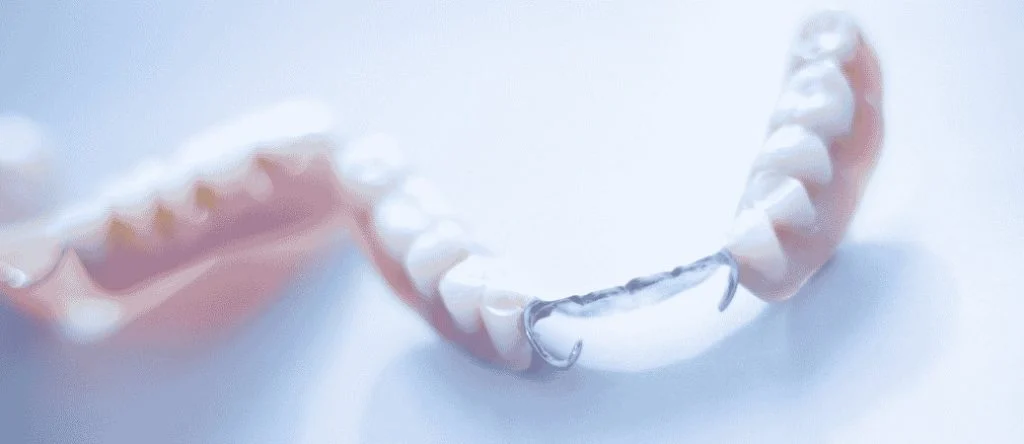
If you’re missing a tooth and thinking about getting a single tooth implant, you’re probably wondering how the process works. A single tooth implant is a way to replace your missing tooth by surgically placing a small titanium post into your jawbone, which acts like a natural tooth root and supports a custom crown.
This method helps restore the look, feel, and function of your natural tooth.
The process involves several steps that let your mouth heal and adjust to the new implant. You’ll start with an exam to check your bone and mouth health.
Depending on your situation, you might need extra work like a tooth extraction or bone graft. The implant is then put into place and given time to fuse with your jawbone, which creates a strong, lasting foundation for your new tooth.
Once healing is complete, an abutment is attached to the implant. A custom-made crown is placed on top.
This final step gives you a natural-looking tooth that blends in well with the rest of your smile.
Key Takeaways
- Your mouth needs a full exam to see if a tooth implant is right for you.
- The implant post must heal and bond with your jawbone before the crown is placed.
- The final crown restores your tooth’s look and function for everyday use.
Understanding Single Tooth Implants
Single tooth implants offer a way to replace one missing tooth using a small metal post and a custom-made crown. They protect your oral health and restore your smile without affecting nearby teeth.
Knowing the basics of what these implants are, their benefits, and if you qualify can help you make the right choice.
What Is a Single Tooth Implant?
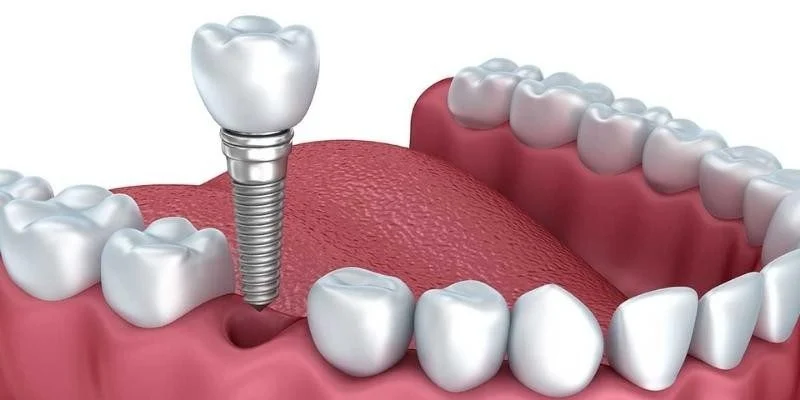
A single tooth implant is a titanium post that a dentist surgically places into your jawbone. This acts like a new root for your missing tooth.
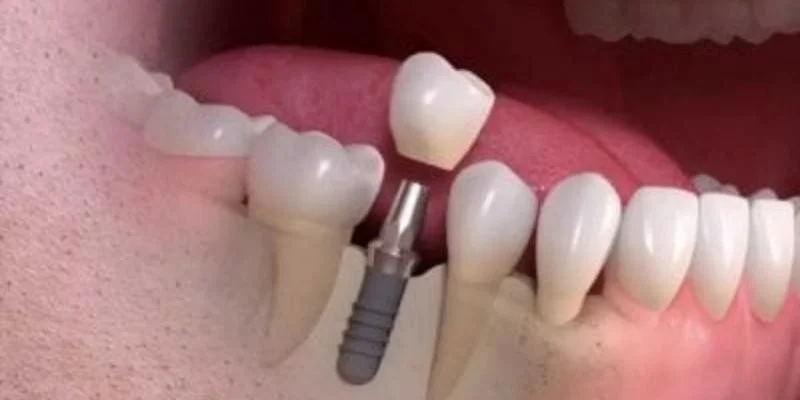
After the implant heals and connects with your bone, an abutment is attached. This small connector holds the crown, which is the artificial tooth you see and use daily.
The crown is custom-made to match your natural teeth in color and size. This lets your implant blend in and function just like a real tooth.
Unlike dentures or bridges, a single tooth implant replaces the tooth fully and feels more natural because it is secured in your jawbone.
Key Benefits Over Other Tooth Replacement Options
Single tooth implants bring several important perks compared to bridges or dentures. First, they protect your jawbone.
Because the implant is placed directly into the bone, it stimulates bone growth and prevents bone loss that often happens after tooth loss. They also do not require changing nearby healthy teeth, unlike bridges which rely on adjacent teeth for support.
This means your surrounding teeth stay strong and intact. Durability is another big advantage.
With good care, implants can last many years. Plus, they look and feel more natural than dentures, improving your comfort and ability to chew and speak clearly.
Who Is a Candidate?
Most people with a missing tooth can be good candidates for a single tooth implant. In fact, about 3 out of 4 U.S. adults aged 40–64 have lost at least one permanent tooth, making implants a common and effective option. You need enough healthy jawbone to hold the implant securely.
If you have lost bone, your dentist might suggest a bone graft first to build it back up. Good candidates also need to be in overall good health.
Certain conditions like uncontrolled diabetes or heavy smoking can affect healing and success rates. Research shows that smokers have more than double the risk of implant failure compared to non-smokers, making overall health an important factor when planning treatment.
If your mouth is healthy and you want a lasting, natural tooth replacement, a single tooth implant might be the best option.
Initial Consultation and Assessment
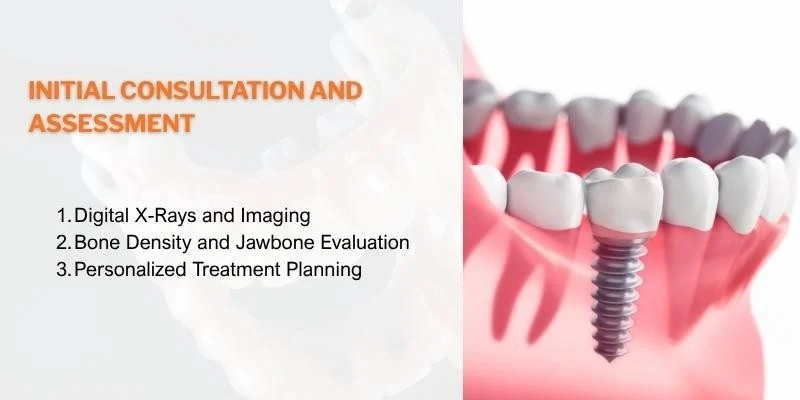
When you start your single tooth implant journey, the first visit is all about understanding your mouth’s health and how ready it is for an implant. This step includes detailed scans, tests, and talks with your dental team to make sure the plan will fit your needs well.
Digital X-Rays and Imaging
You will get digital x-rays and possibly 3D scans during your first visit. These images give your oral surgeon a clear view of your teeth, roots, and jawbone structure.
Unlike regular x-rays, digital ones show more detail and reduce radiation exposure. These images help spot any hidden issues like infection, bone loss, or damaged teeth.
They also guide the best place to put your implant for strong support. Images can be reviewed multiple times to make careful decisions about your care.
Bone Density and Jawbone Evaluation
Healthy bone is key for your implant to hold steady. Your dental team will check the density and volume of your jawbone to see if it can support the implant.
If you have had a missing tooth for a while, bone loss around the area is common and must be measured precisely. If your jawbone isn’t dense enough, you may need extra treatments like bone grafts before the implant.
This step prevents implant failure and helps avoid future problems. Your oral and maxillofacial surgeon uses this info to plan the timing and methods for your implant surgery.
Personalized Treatment Planning
After reviewing tests and scans, your dental team will create a plan just for you. This plan will cover where the implant will go, what type of implant fits best, and the timeline for each step, including healing.
You’ll get to discuss any concerns like pain management, costs, and follow-up visits. The plan is made to keep you comfortable and ensure the implant lasts a long time.
Having this clear plan helps you feel more confident about what’s next.
Missing a tooth? Get a personalized implant evaluation at Imagine Your Smile in Woodbury, MN.
Preparatory Procedures Before Implant Placement
Before getting your single tooth implant, some key steps prepare your mouth for the best result. These steps ensure your jawbone and gums are healthy enough to support the implant and help the implant last longer.
Tooth Extraction (If Needed)
If your tooth is damaged or decayed beyond repair, it must be removed before placing the implant. Your dentist will numb the area using local anesthesia to make the process pain-free.
Sometimes, the tooth is taken out in pieces if it’s tricky to remove all at once. After extraction, your gums and bone need time to heal before moving on.
This healing can take a few weeks to months depending on your mouth’s condition. Proper healing helps reduce the risk of infection and prepares your jawbone to hold the implant firmly.
Bone Grafting Basics
Your jawbone needs to be strong and thick enough to support the implant screw. If your bone is too thin or weak, bone grafting might be necessary.
Bone grafting is a minor surgery where your dentist adds bone material to the jaw. This material can come from your own body, a donor, or synthetic sources.
The graft fills in areas where bone has been lost, helping to build a stable base for the implant. The bone graft needs time (usually a few months to heal and integrate) before the implant can be placed.
Sinus Lift and Other Surgical Preparations
In the upper jaw, near your molars, there’s a sinus cavity that can limit space for implants. A sinus lift is a procedure to move the sinus membrane upward and add bone below it.
This creates enough room and bone density for your implant to fit securely. It’s often done when there isn’t enough natural bone height in that area.
Other surgical preparations might include reshaping your gums or jawbone to improve implant fit and appearance. Your dentist will evaluate and explain if these are needed for your surgery.
Want a long-lasting solution? Schedule your implant consultation now!
Implant Placement Surgery
During the implant placement surgery, your dentist or oral surgeon carefully places a titanium post into your jawbone. This step creates a strong foundation for your new tooth.
The process uses local anesthesia to keep you comfortable and involves precise surgical steps to protect your oral health. A healing cap is then added to help the gum tissue heal properly.
Local Anesthesia and Comfort
Before your implant surgery begins, your area will be numbed with local anesthesia. This means you’ll feel little to no pain during the process.
If you feel anxious, your dentist might offer sedation options to help you relax. The goal is to keep you comfortable while your oral surgeon works.
You will stay awake but free from pain. Local anesthesia is safe and wears off a few hours after the procedure.
Your team will explain what to expect, so you feel calm and informed before the implant placement surgery starts.
Placing the Titanium Implant Post
The titanium implant post acts as an artificial tooth root. During surgery, your oral surgeon makes a small cut in your gum to reach the jawbone.
Then, they drill a precise hole in the bone to fit the titanium implant. The titanium post is carefully inserted into this hole.
This metal is strong and biocompatible, meaning your bone can grow around it to hold it firmly in place. This process, called osseointegration, usually takes a few months.
The stability of the implant post is key for the success of your future tooth.
Surgical Steps and Healing Cap
Once the titanium implant is in place, your surgeon will add either a healing cap or a cover screw on top. This piece protects the implant area while your gum heals.
The healing cap also shapes the gum tissue around the implant to help it look natural later. The gum is stitched up around the cap to keep it clean and secure.
After surgery, your dentist will give you care instructions to avoid infection and help healing. Healing time varies but often takes 3 to 6 months before the next phase of your implant procedure begins.
Healing, Osseointegration, and Abutment Placement
After your implant surgery, your body begins a healing process that allows the implant to become a strong part of your jaw. This involves bone growth around the implant, regular dental visits, and the attachment of the abutment that connects the implant to your new tooth.
Osseointegration Explained
Osseointegration is when your jawbone slowly grows and attaches tightly to the surface of the dental implant. This process can take anywhere from 2 to 6 months, depending on your bone health and healing ability.
During osseointegration, the implant becomes very stable because the bone cells wrap around it. This stability is what allows the implant to act like a natural tooth root.
It’s important to avoid putting pressure on the implant while this healing happens. You might wear a temporary crown or denture during this time to protect the implant site.
Monitoring Progress and Dental Check-Ups
Your dentist will schedule several check-ups during the healing phase to see how well your implant is integrating with your bone. These visits are key for spotting any problems early.
At appointments, your dentist will examine the implant area, take X-rays if needed, and ask about any discomfort or swelling you may have. Good oral hygiene is critical as well.
You’ll need to clean around the implant gently using special rinses and careful brushing to prevent infection. Following your dentist’s care tips helps avoid issues like redness, excessive pain, or loosening of the implant.
Placing the Abutment Connector
Once your implant has fused with your jawbone, your dentist will place the abutment. This small metal piece connects the implant post to your new crown.
The placement of the abutment is a minor procedure done under local anesthesia. Your gum will be opened slightly to attach the abutment to the implant.
After abutment placement, your gums need a short time to heal around it. Then, impressions or digital scans are taken to make your final crown.
The abutment acts as the link between your implant and the visible tooth. This makes your new tooth feel secure and natural.
Crown Placement and Aftercare
After your implant has healed, the next step is placing a dental crown to complete the tooth. This crown is custom-made to fit perfectly with your bite and match your natural teeth.
Taking care of your new implant and crown will help keep them strong and lasting for years.
Custom-Made Crown Fitting
Your custom-made crown is designed just for you. First, your dentist takes impressions of your teeth to create a crown that matches the color, shape, and size of your natural teeth.
When your crown is ready, it’s attached to the implant post using a small connector called an abutment. During the fitting, your dentist checks the fit and bite to make sure everything feels comfortable and natural.
If needed, small adjustments are made. This step ensures your replacement tooth works well and looks just like the rest of your smile.
Oral Hygiene for Your New Implant
Taking care of your dental crown and implant is key to keeping your mouth healthy. You should brush gently around the implant at least twice a day, using a soft-bristle toothbrush.
Floss carefully to clean between teeth and around the crown without causing damage. Avoid hard foods on the side with the implant for a few days after crown placement.
Regular dental check-ups are important to make sure the implant stays healthy and the crown stays in good shape. Good oral hygiene prevents infections and keeps your new tooth strong.
Ensuring Long-Term Success
To help your implant and crown last, avoid habits like chewing ice, biting your nails, or using your teeth as tools. These actions can damage the crown or the implant.
It’s also important to maintain a balanced diet to support your oral health. If you experience any pain, looseness, or changes around the implant, contact your dentist promptly.
Routine visits allow your dentist to catch any problems early and keep your replacement tooth functioning well for many years.
Frequently Asked Questions
You will learn how the implant is placed, the costs involved, and the time it takes from start to finish.
You’ll also understand possible side effects, the length of the procedure, and what to expect in terms of discomfort.
What does the step-by-step process of a dental implant involve?
The process starts with a consultation and dental exam, including X-rays. Then, if needed, bone grafting is done before placing the titanium implant post into your jawbone.
After the implant heals and bonds with the bone, an abutment is attached. This is followed by placing a custom crown on top.
How much can I expect to pay for a single tooth implant?
Costs vary but expect to pay several thousand dollars for the entire procedure. This includes exams, surgery, the implant post, abutment, and crown.
Insurance might cover part of the cost, but it depends on your plan and location.
What is the timeline from tooth extraction to completing an implant?
If your tooth needs to be removed, you might wait a few weeks for the extraction site to heal before implant placement. After the implant is placed, healing and bone bonding usually take 3 to 6 months.
Only then is the abutment and crown attached.
Are there any side effects associated with getting a tooth implant?
Some swelling, bruising, and mild pain after surgery are common but should fade in a few days. Rare risks include infection, nerve damage, or implant failure, but these are uncommon with proper care and a good dental team.
How long does the procedure for a single tooth implant usually take?
The actual implant surgery often takes about 1 to 2 hours. Placing the abutment and crown requires additional shorter appointments after the healing period.
Is the process for a single dental implant painful?
Local anesthesia numbs the area during surgery, so you shouldn’t feel pain at that time.
You may have some discomfort or soreness in the days after. It is usually manageable with over-the-counter pain medicine.