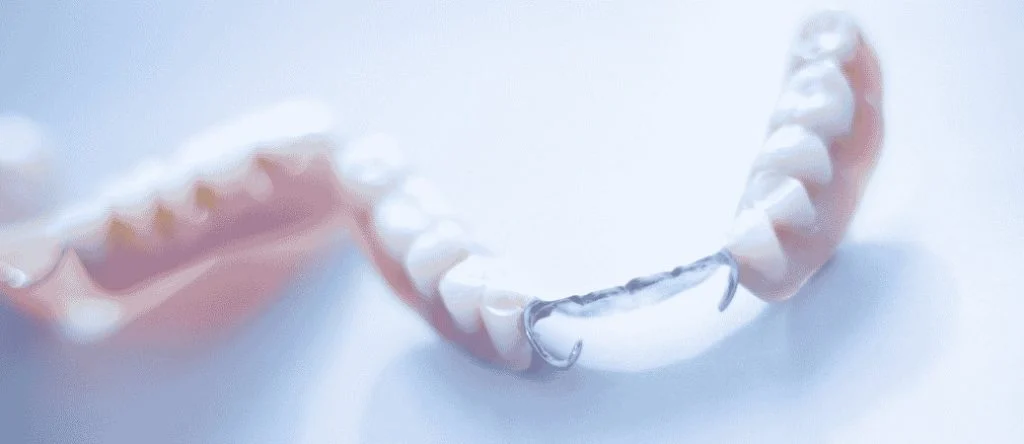
Missing most or all of your teeth can make eating, speaking, and smiling feel difficult. You might be wondering if All-on-X dental implants are the right choice for you.
You’re ready for All-on-X when you have multiple failing or missing teeth, enough jawbone to support implants, and want a permanent fixed solution instead of removable dentures.
Understanding when to move forward with full-mouth restoration involves looking at your dental health, lifestyle needs, and long-term goals. All-on-X dental implants replace an entire arch of teeth using just four to six implants per jaw.
This treatment works best when you’re committed to good oral hygiene and regular dental visits.
Knowing the signs that you’re a good candidate helps you make a confident decision.
Whether you’re dealing with severe tooth decay, gum disease, or already wearing dentures that don’t fit well, All-on-X offers a stable and permanent alternative that can restore your smile and quality of life.
Key Takeaways
- You’re ready for All-on-X when you have multiple missing or failing teeth and want a fixed solution that doesn’t come out
- Good candidates have adequate jawbone density and are willing to maintain proper oral hygiene and attend regular checkups
- The process includes detailed planning, same-day surgery with a temporary bridge, healing time, and delivery of your final teeth
Table of Content
- Understanding All-on-X Dental Implants
- Evaluating Your Candidacy and Readiness
- The All-on-X Process: From Planning to Placement
- Healing, Osseointegration, and Prosthesis Delivery
- Caring for Your All-on-X Smile
- Understanding Costs and Making an Informed Decision
- Frequently Asked Questions
Understanding All-on-X Dental Implants
All-on-X is a full-arch solution that uses a small number of strategically placed implants to support an entire row of permanent prosthetic teeth.
The “X” represents flexibility in planning, letting your dental team customize the number of implants based on your bone quality and specific needs.

How All-on-X Differs From Other Solutions
Unlike traditional dentures that rest on your gums and can slip or cause discomfort, All-on-X creates a fixed restoration that stays in place 24/7. You won’t remove your teeth at night or use adhesives.
Traditional implants replace each missing tooth with its own implant. That means if you’re missing a full arch of teeth, you’d need 10 to 14 individual implants. All-on-X takes a different approach by using just 4 to 6 implants per arch to support a complete bridge of prosthetic teeth.
The implants act as sturdy anchors in your jawbone. Your dentist attaches a custom-made bridge to these implants, giving you a full set of teeth that function like natural ones. You can eat, speak, and smile with confidence.
All-on-4, All-on-6, and the Meaning of ‘X’
All-on-4 uses four implants per arch; two placed vertically in the front and two angled in the back. The angled placement often lets you avoid bone grafting procedures.
All-on-6 adds two more implants to distribute chewing forces across more anchor points. Your dental team determines the ideal number of implants based on your bone density, jaw anatomy, and bite strength.
The “X” in All-on-X means the approach is customized to you. Some patients do well with four implants, while others benefit from five, six, or occasionally more.
Factors like bone quality in your upper or lower jaw, your bite force, and long-term durability goals all influence the decision.
Key Benefits of Implant-Supported Full-Arch Restorations
The benefits of dental implants especially All-on-X include getting fixed teeth that won’t move when you eat or talk. Many patients receive temporary teeth on the same day as their implant surgery, so you leave the office with a functional smile.
These full-arch restorations feel more natural than removable dentures. You can bite into foods like apples and steak without worry. The implants also stimulate your jawbone, which helps prevent the bone loss that typically happens after tooth loss.
All-on-X offers a permanent solution with strong success rates. Studies show implant survival rates commonly above 95% when you maintain good oral hygiene and attend regular checkups.
The fixed bridge is easier to clean than individual implants because you have fewer gaps to manage.
Evaluating Your Candidacy and Readiness
Understanding whether you’re a good candidate for All-on-X involves looking at your dental health, bone structure, overall medical condition, and daily habits.
A thorough evaluation helps determine if this treatment fits your needs and sets realistic expectations for success.
Signs You May Need All-on-X

You might be ready for All-on-X if you’re missing most or all of your teeth in one or both arches. This treatment works well when you have extensive tooth loss that makes eating, speaking, or smiling difficult.
People who struggle with loose or uncomfortable traditional dentures often find All-on-X appealing.
If your dentures slip when you talk or eat, cause sore spots, or make you avoid certain foods, implant-supported options provide better stability.
You may also be a candidate for All-on-X if your remaining teeth are failing due to severe decay, gum disease, or fractures.
When saving your natural teeth would require multiple complex procedures with uncertain outcomes, replacing them all at once can be more practical.
Health and Dental Requirements
Your gums need to be healthy or treatable before moving forward with All-on-X. Active gum infections can interfere with healing and osseointegration, which is the process where implants fuse with your jawbone.
Key health factors dentists evaluate:
- Overall physical health and healing ability
- Medications that might affect bone healing
- Immune system function
- Commitment to oral hygiene after treatment
Your dentist will review your complete medical history during treatment planning. They’ll also take digital impressions and likely order a CBCT scan to examine your jawbone in three dimensions.
This imaging shows bone density, nerve locations, and sinus positions.
The evaluation results in a personalized treatment plan tailored to your mouth. This plan outlines implant placement angles, any preparatory work needed, and expected timeline.
Assessing Bone Loss and Grafting Needs
All-on-X requires adequate bone support for implants to stay secure long-term. Your jawbone naturally shrinks after tooth loss, but the amount varies from person to person.
A CBCT scan reveals how much bone remains and where it’s located. The All-on-X technique often works even with moderate bone loss because implants are angled to use available bone efficiently.
When bone grafting might be needed:
- Severe bone loss in key areas
- Very thin bone ridges
- Poor bone quality or density
- Previous failed implants
If you need bone grafting, it adds time to your treatment. Minor grafting might heal in a few months, while extensive rebuilding could take six months or longer before implant placement.
Some patients have enough bone for immediate All-on-X placement without grafting. Your dental team determines this through detailed imaging and assessment.
Smoking, Chronic Conditions, and Lifestyle Factors
Smoking significantly impacts implant success rates. Nicotine restricts blood flow to your gums and bone, which slows healing and weakens osseointegration. Many dentists require patients to quit or reduce smoking before and after the procedure.
Certain chronic conditions need management before becoming a candidate for All-on-X. Uncontrolled diabetes can impair healing and increase infection risk. If you have diabetes, working with your doctor to stabilize blood sugar levels improves outcomes.
Conditions requiring careful evaluation:
- Diabetes (controlled vs. uncontrolled)
- Osteoporosis or bone-affecting medications
- Autoimmune disorders
- Heart conditions requiring blood thinners
Your daily habits matter too. All-on-X requires consistent cleaning around implants and attachments. You’ll need to attend regular dental checkups and follow care instructions carefully.
Patients who maintain good oral hygiene typically enjoy better long-term results and fewer complications.
The All-on-X Process: From Planning to Placement
The All-on-X procedure follows a carefully planned sequence that starts with detailed digital imaging and ends with you leaving the office with functioning teeth.
Modern technology allows your dental team to map out every step before surgery begins, making the process more predictable and comfortable.

Consultation and Digital Assessment
Your journey starts with a comprehensive evaluation of your mouth and overall health. The team will take a CBCT scan, which is a 3D X-ray that shows your bone structure, sinuses, and nerves in detail.
Digital impressions capture the exact shape of your jaws without messy traditional molds. Your dentist uses specialized software to plan where each implant will go based on your bone quality and anatomy.
The planning phase determines whether you need four to six implants per arch. Some cases work well with angled implants positioned toward the back of your mouth to avoid areas with less bone.
This digital blueprint becomes the foundation for creating your surgical guide, a custom tool that directs implant placement during surgery.
Guided Surgery and Implant Placement
On surgery day, you’ll receive local anesthesia along with sedation options for comfort. Your surgeon uses the surgical guide (a 3D-printed template that fits over your gums) to place implants exactly where planned.
Guided surgery combines digital planning with surgical precision to make implant placement more accurate. The guide has small holes that show the exact angle and depth for drilling.
Most cases involve placing four to six implants in strategic positions. The back implants are often angled to maximize contact with available bone and avoid anatomical structures like sinuses.
Each implant receives a connector piece called a multi-unit abutment.
Temporary Prosthesis and Immediate Function
After implant placement, your team typically attaches an immediate temporary prosthesis the same day if your implants are stable enough. This means you leave with fixed temporary teeth rather than going without.
The temporary prosthesis is lighter than your final bridge and designed to protect the implants while they heal. You’ll wear these temporary teeth for several months while your implants fuse with the bone.
During this healing phase, you’ll need to stick with soft foods and follow careful cleaning instructions.
Your temporary teeth let you eat, speak, and smile while waiting for your permanent bridge, which comes after the implants have fully integrated with your jawbone.
Healing, Osseointegration, and Prosthesis Delivery
Your All-on-X journey involves distinct healing phases where titanium implants fuse with your jawbone before you receive your permanent teeth.
Understanding these stages helps you prepare for the months ahead and know what’s normal during recovery.
What to Expect During Recovery
The first few days after surgery bring the most noticeable changes. You’ll experience swelling that peaks around 48-72 hours, along with some bruising and mild discomfort.
Your dentist will send you home with temporary teeth the same day. These allow you to eat soft foods and smile confidently while healing happens underneath.
During the first week of recovery, you’ll need to stick with soft foods like scrambled eggs, yogurt, mashed potatoes, and smoothies. Avoid anything crunchy, chewy, or hot that could disturb the surgical sites.
Most patients return to work within 3-5 days. You’ll have follow-up appointments to check your healing progress and make any needed adjustments to your dentures and dental prosthesis.
Osseointegration Timeline
Osseointegration is when bone cells attach directly to your implant surfaces. This process creates the strong foundation your new teeth need.
The timeline typically looks like this:
- Weeks 1-4: Initial bone healing begins around the titanium implants
- Months 2-3: Bone cells actively bond with the implant surface
- Months 4-6: Complete integration provides full stability
Your upper jaw usually takes 4-6 months to fully integrate, while your lower jaw may only need 3-4 months. The bone in your lower jaw is typically denser, which speeds up the process.
You won’t feel osseointegration happening. Your dentist monitors progress through regular check-ins and X-rays.
Transitioning to the Final Prosthesis
Once osseointegration is complete, you’re ready for your permanent teeth. Your dentist will take new impressions and work with a lab to create your final prosthesis.
The final prosthesis delivery happens about 4-6 months after surgery. These permanent teeth are stronger, more natural-looking, and fitted precisely to your healed gums.
Your dentist will remove your temporary prosthesis and attach the final one. They’ll check your bite, make adjustments for comfort, and ensure everything functions properly.
The result is a stable and functional smile that lets you eat all the foods you’ve missed. You can bite into apples, enjoy steak, and chew without worry.
Caring for Your All-on-X Smile
Your new teeth need regular cleaning and checkups to last for years. Good home care combined with routine dental visits helps prevent problems like gum inflammation and implant complications.

Daily Maintenance and Home Care
You should clean around your implants at least twice each day. Use a soft toothbrush to brush the bridge and the gum line where it meets your prosthesis.
Water flossers work well to rinse food and bacteria from hard-to-reach areas under the bridge. Set the pressure to medium and aim the stream along the gum line and between the bridge and your gums.
You’ll also need interdental brushes or super floss to clean the spaces between your gums and the underside of your bridge. Thread the brush or floss gently through these gaps and move it back and forth to remove plaque buildup.
Some dentists recommend non-abrasive toothpaste to avoid scratching acrylic or composite materials on your bridge. Ask your dental team which products work best for your specific bridge material.
Professional Maintenance and Dental Visits
Professional maintenance visits every three to six months are required to keep your implants healthy. Your dentist will check the screws that hold your bridge in place and tighten them if needed.
During these appointments, your hygienist cleans areas you can’t reach at home. They’ll also check for early signs of gum inflammation around the implants.
Your dentist examines the implants and surrounding bone with X-rays to catch any bone loss early. They’ll inspect your bridge for cracks, chips, or worn teeth that might need repair. Small adjustments now prevent bigger problems later.
What Increases the Risk of Implant Failure
Smoking significantly raises your risk of implant failure because it reduces blood flow to your gums and slows healing. Poor home hygiene allows bacteria to build up and cause peri-implantitis, which is inflammation and bone loss around implants.
Uncontrolled diabetes makes infections more likely and can interfere with how well your bone holds the implants. Heavy teeth grinding or clenching puts extra stress on the implants and can loosen screws or crack the bridge.
Skipping your regular dental checkups means problems go unnoticed until they become serious. If you notice pain, swelling, or looseness around your implants, contact your dentist right away instead of waiting for your next scheduled visit.
Understanding Costs and Making an Informed Decision
All-on-X treatment involves several cost factors that vary based on your specific needs, and understanding these expenses helps you compare this investment against traditional tooth replacement options while exploring insurance coverage and financing plans.
Factors That Affect the Cost of All-on-X
The cost of dental implants varies significantly based on several key factors. Your location plays a major role, with prices in urban areas typically ranging higher than suburban practices. The number of implants you need directly impacts the total expense.
Your oral health status affects pricing too. If you need preparatory procedures like bone grafting or tooth extractions, these add to your overall investment.
The materials selected for your prosthesis matter as well, with premium options like zirconia costing more than acrylic alternatives.
Your dentist’s experience and specialization also influence pricing. Oral surgeons and periodontists often charge more than general dentists, but they bring specialized expertise to complex cases.
The technology used during your dental implant procedure, such as 3D imaging and computer-guided placement, adds precision but increases costs.
Comparing Investment to Traditional Options
All-on-X requires a larger upfront investment than traditional dentures, but the comparison changes when you examine long-term expenses.
Standard dentures need replacement every five to seven years, while All-on-X can last 20 years or more with proper care.
Traditional dentures require adhesives, cleaning solutions, and frequent adjustments that add up over time. You’ll also face potential costs for denture repairs and relining procedures.
All-on-X eliminates these ongoing expenses after your initial treatment.
Dental bridges require grinding down healthy teeth and typically need replacement every 10 to 15 years. All-on-X treatment preserves your jawbone and doesn’t compromise surrounding teeth, offering better value despite higher initial costs.
Long-Term Value, Insurance, and Financing
All-on-X provides value beyond just teeth replacement. The procedure prevents bone loss that occurs with traditional dentures, maintaining your facial structure and avoiding the sunken appearance that ages your face prematurely.
Many dental insurance plans now offer partial coverage for implant procedures. Your policy might cover specific components like extractions or the prosthesis itself. Medical insurance may contribute if tooth loss resulted from accident or disease.
Most dental practices offer flexible payment options to make All-on-X accessible:
- In-house payment plans with monthly installments
- Healthcare credit cards like CareCredit with promotional interest rates
- Health Savings Accounts (HSA) or Flexible Spending Accounts (FSA) using pre-tax dollars
- Third-party financing through specialized healthcare lenders
Getting detailed cost breakdowns during consultations helps you compare providers and understand what’s included in quoted prices. Ask about warranty coverage and what happens if complications arise after treatment.
Frequently Asked Questions
Many patients wonder about specific signs that show they’re ready for implants and what the treatment process involves.
Understanding bone requirements, medical considerations, and recovery expectations can help you feel more prepared for your consultation.
What signs suggest I might be a good candidate for full-arch dental implants?
You might be ready for All-on-X dental implants if you’ve lost most or all of your teeth in your upper or lower jaw. Traditional dentures that slip or cause discomfort during eating or speaking are another strong sign.
You’re also a good candidate if you want a fixed solution instead of removable dentures. This treatment works well for people looking to restore both the function and appearance of their smile.
If you struggle with daily activities like chewing tough foods or feel self-conscious about your teeth, it’s worth exploring this option. A consultation with an oral surgeon can confirm whether this treatment matches your specific needs.
How do I know if my jawbone is strong enough for implant-supported teeth?
Your dentist will take detailed X-rays and scans during your consultation to check your bone density. These images show whether you have enough bone to support the implants securely.
Some bone loss is common after tooth loss, but you may still have enough support for implants. The All-on-X technique uses strategically placed implants that work even with moderate bone loss.
Your oral surgeon will measure bone height, width, and density in specific areas of your jaw. They’ll explain whether your current bone structure can support the treatment or if you need additional steps first.
What dental or medical conditions could affect whether I can get implants?
Uncontrolled diabetes can slow healing and affect how well implants integrate with your jawbone. You’ll need to work with your doctor to manage your blood sugar levels before moving forward.
Active gum disease must be treated before implant placement. Severe bone loss from long-term gum disease may also require additional procedures.
Smoking significantly increases the risk of implant failure because it reduces blood flow to your gums. Some medications like bisphosphonates used for osteoporosis can affect bone healing.
Certain autoimmune conditions or treatments like radiation therapy to the jaw area may impact your eligibility. Your dentist will review your complete medical history to identify any concerns.
What are my options if I’ve been told I don’t have enough bone for implants?
Bone grafting is the most common solution for insufficient jawbone. This procedure adds bone material to thin or weak areas of your jaw to create a stronger foundation.
Sinus lift surgery can add bone to your upper jaw if your sinuses are too close to where the implants need to go. These procedures add time to your treatment but make implants possible for many patients.
Zygomatic implants are longer implants that anchor into your cheekbone instead of your jawbone. This option lets some patients skip bone grafting entirely.
Your oral surgeon will discuss which approach makes the most sense based on your specific bone structure and goals.
What does the healing and recovery process usually look like after full-arch implant surgery?
The surgical part of All-on-X usually takes a few hours per arch. You’ll often leave the office with temporary teeth on the same day as your surgery.
The first few days require very soft foods like yogurt, mashed potatoes, and smoothies. You’ll stick to a soft-food diet during the early healing stage to avoid putting pressure on the implants.
Swelling and discomfort are normal for the first week. Your surgeon will prescribe pain medication and provide specific care instructions.
Over several weeks, you can gradually add more foods as you feel comfortable. Full healing takes several months while the implants integrate with your jawbone.
Once healing is complete, your final custom-made teeth are attached. Most patients regain strong chewing ability and can return to a normal diet.
What questions should I ask your dentist during a consultation for implant-supported dentures?
Ask about your dentist’s experience with full-arch implants and how many cases they’ve completed. Find out what type of imaging they use to plan your treatment.
Request a detailed timeline from start to finish, including the surgery date, healing period, and when you’ll get your permanent teeth. Ask what happens on surgery day and whether you’ll have temporary teeth right away.
Get a clear breakdown of all costs involved and what your insurance might cover. Ask about payment plans or financing options if needed.
Find out what your diet will look like during recovery and when you can return to normal activities. Ask about the long-term care your implants will need and how often you’ll need checkups.
Request information about what to expect if complications arise and how they would be handled. Understanding the risks and benefits helps you make an informed decision about your treatment.