A small gap in your smile can affect more than just your appearance. It can impact how you chew, speak, and feel about yourself.
When you have a single missing tooth or a small space between teeth, you might wonder what the best solution is to restore your smile.
Single tooth implants work best when you need to replace a missing tooth in a small gap, while orthodontic options like braces are better suited for closing spaces between existing healthy teeth.
Understanding the difference between single tooth implants and orthodontics helps you make the right choice for your situation.
The ideal treatment depends on what caused your gap, the health of your surrounding teeth, and your personal preferences.
Whether you lost a tooth due to injury, extraction, or decay, replacing it quickly prevents bigger problems down the road. Your other teeth can shift into the empty space, your jawbone can weaken, and your bite can change.
Learning about your options helps you protect your oral health and get back the confidence that comes with a complete smile.
Key Takeaways
- Single tooth implants replace missing teeth while orthodontics moves existing teeth to close spaces
- The best option for your gap depends on what caused it and the health of your surrounding teeth
- Acting quickly to address a missing tooth prevents bone loss and shifting of adjacent teeth
Got a small gap in your smile? A single tooth implant might be the perfect solution.
Table of Content
- Understanding Single Tooth Implants
- Comparing Tooth Replacement Options
- Benefits and Considerations for Small Gaps
- Candidacy and Clinical Process
- Single vs. Multiple Implants for Broader Needs
- Frequently Asked Questions
Understanding Single Tooth Implants
A single tooth implant uses a titanium screw placed in your jawbone to replace a missing tooth and its root, creating a stable foundation for an artificial tooth that looks and works like your natural teeth.

How Single Tooth Implants Work
A dental implant replaces both your lost tooth and its root through a multi-step process. Your dentist first places a small screw or cylinder into your jawbone during a surgical procedure. This implant acts as an artificial root.
Over the next two to six months, the implant bonds with your bone. This process creates a strong anchor for your new tooth. During this healing time, you can wear a temporary tooth over the implant site.
Some implant systems need a second procedure to attach an extension piece. Your gums then heal for a few weeks. Other one-stage systems skip this step because they already have the extension attached.
Components: Implant, Abutment, and Crown
A single dental implant has three main parts that work together. The implant is the titanium screw that goes into your jawbone and acts as your tooth root.
The abutment is a small metal post that connects to the implant. It sticks up through your gums and holds the final tooth in place. Your dentist attaches this piece after your implant has bonded with your bone.
The crown is the visible part that looks like your natural tooth. Your dentist creates a custom crown that matches your other teeth in size, shape, and color. The crown attaches to the abutment to complete your tooth replacement.
Materials and Aesthetics
The implant itself uses titanium because this metal bonds well with bone and rarely causes allergic reactions. Your body accepts titanium as the implant integrates with your jawbone over time.
Dentists typically use ceramic or porcelain crowns for front teeth because these materials look most natural. They reflect light like real teeth and blend in with your smile.
For back teeth, you might get a crown with metal inside for extra strength.
Your artificial tooth will look and function like your natural teeth after the process is complete. The crown color matches your existing teeth so well that most people won’t notice the difference.
Comparing Tooth Replacement Options
When you lose a tooth, you have several ways to fill the gap. Each tooth replacement option works differently and comes with its own benefits and drawbacks based on your needs, budget, and health.
Dental Implants Versus Dental Bridges
A single tooth implant involves placing a titanium post into your jawbone where the tooth is missing. This post acts like an artificial root that holds a crown on top.
The implant doesn’t touch your other teeth and helps keep your jawbone healthy.
A dental bridge works by using the teeth on both sides of the gap as anchors. Your dentist reshapes these neighboring teeth and places crowns on them. An artificial tooth sits between these crowns to fill the space.
Key Differences:
| Feature | Dental Implants | Dental Bridges |
| Treatment time | 3-6 months | 1-2 weeks |
| Effect on other teeth | None | Requires reshaping healthy teeth |
| Bone health | Prevents bone loss | Does not preserve bone |
| Lifespan | 15+ years | 7-15 years |
Dental implants typically cost more upfront but last longer. Bridges offer a faster, non-surgical solution that costs less initially.
Removable Partial Dentures as Alternatives
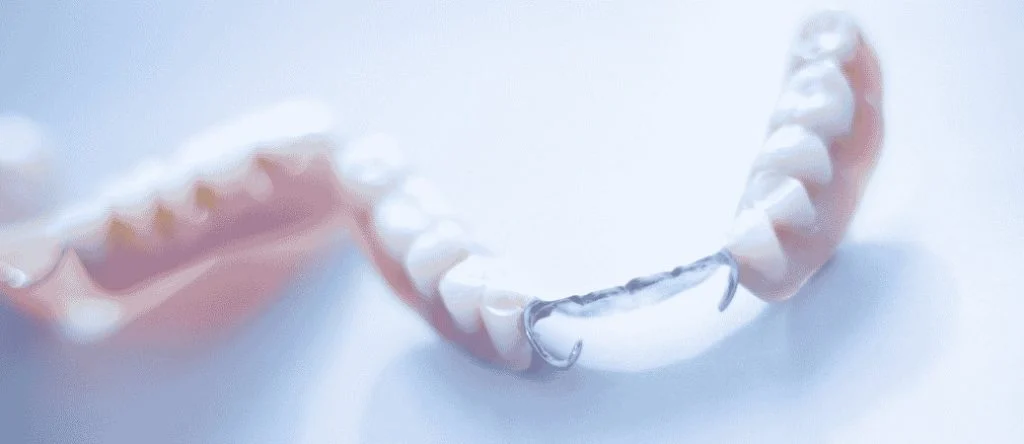
A removable partial denture is a less expensive option you can take in and out of your mouth. This appliance uses metal or plastic clasps to attach to your remaining teeth. It fills the gap left by your missing tooth without surgery.
Partial dentures work well if you can’t have surgery or need something temporary. They’re the most affordable choice for replacing a tooth. However, they’re not as stable as implants or bridges when you eat.
You’ll need to remove your partial denture daily for cleaning. It may feel bulky at first and can shift slightly when you talk or chew. Many people choose partial dentures as a temporary solution while saving for a permanent option.
Temporary Versus Permanent Tooth Replacement
Temporary tooth replacement includes options like flippers or temporary bridges. These are quick fixes that protect your gums and keep nearby teeth from shifting while you plan for permanent treatment.
A temporary solution usually lasts a few months to a year.
Permanent options include dental implants, fixed bridges, and implant-supported bridges. These are designed to last many years with proper care.
Single tooth implants are considered the most permanent solution because they integrate with your bone.
Your choice between temporary and permanent depends on your timeline and goals. Temporary replacements let you test how a tooth feels before committing to surgery.
Permanent solutions provide better function and don’t need replacement as often.
Benefits and Considerations for Small Gaps
Dental implants offer unique advantages when filling small gaps, from protecting your jawbone to maintaining the health of neighboring teeth.
Understanding how implants preserve bone structure and improve both appearance and function helps you make an informed choice about tooth replacement.
Advantages of Single Tooth Implants in Small Gaps

A single tooth implant replaces both the missing tooth and its root, making it a complete solution for small gaps. Unlike bridges, you don’t need to alter or grind down the healthy teeth on either side of the gap.
The implant stands independently. This means your natural teeth stay untouched and keep their full strength.
You can also clean around an implant just like a regular tooth. There’s no cement that can wash out or special flossing techniques required.
The simplicity of maintenance makes daily oral care straightforward and effective for the long term.
Preservation of Jawbone Health and Prevention of Bone Loss
When you lose a tooth, the bone that once supported it begins to deteriorate. A dental implant integrates with your jawbone, keeping the bone healthy and intact through a process called osseointegration.
The titanium post acts like a natural tooth root. It stimulates the bone when you chew, which signals your body to maintain bone density in that area.
Without this stimulation, your jaw can lose up to 25% of its width in the first year after tooth loss. This bone loss can change your facial structure over time and make future dental work more complicated.
A single implant stops this process and preserves your natural bone structure.
Impact on Oral Health and Adjacent Teeth
Your teeth naturally want to shift into empty spaces. When you have a missing tooth, the teeth on either side can drift or tip into the gap. The tooth above or below the gap may also move downward or upward.
These shifts create new problems. Your bite becomes misaligned, which can cause jaw pain and uneven wear on your teeth. Food gets trapped in tilted spaces, increasing your risk of decay and gum disease.
A single tooth implant protects neighboring teeth by filling the space and preventing movement. Your other teeth stay in their proper positions, and your bite remains stable.
This protection extends to your overall oral health since aligned teeth are easier to clean and less prone to problems.
Aesthetic and Functional Outcomes
A crown attached to your implant looks and feels like your natural tooth. The color, shape, and size are customized to match your existing teeth perfectly.
You can bite and chew normally without worry. Implants handle the same force as natural teeth, so you won’t need to avoid certain foods or change how you eat.
Your smile appears complete and natural. Gums won’t recede around an implant the way they sometimes do with bridges, which means no visible metal or gaps will show when you smile.
The implant also supports your lips and facial structure from the inside, maintaining your natural appearance for years to come.
Candidacy and Clinical Process
Success with single-tooth implants depends on your overall health, jawbone condition, and commitment to proper care. The clinical process involves multiple stages that require careful planning and healing time between steps.
Who Is a Good Candidate?
You need healthy gums and adequate jawbone density to support a dental implant. An experienced dentist will evaluate your medical history to check for conditions that might affect healing.
Some health issues can make implant placement more challenging. You may not be a good candidate if you have uncontrolled diabetes, active gum disease, or certain autoimmune conditions.
If you smoke heavily, your dentist might recommend quitting before the procedure since smoking can slow healing and reduce success rates.
Age matters for implant placement. Your jawbone needs to be fully developed, which typically happens around age 18-21. Good oral hygiene habits are essential because you’ll need to maintain the implant for years to come.
Bone Grafting and Jawbone Requirements
Your jawbone must have enough height, width, and density to hold the implant securely. If you’ve been missing a tooth for a long time, your jawbone may have deteriorated in that area.
Bone grafting adds new bone material to strengthen weak or thin areas of your jaw. This procedure can use bone from another part of your body, donor bone, or synthetic materials.
The graft needs 3-6 months to heal before your implant dentist can place the implant.
Jawbone health directly affects implant stability. Your dentist will use X-rays or CT scans to measure bone density and plan the exact placement. Without adequate bone support, the implant could fail within the first few years.
The Procedure Step-By-Step
The single-tooth implant process involves several appointments spread over months:
- Initial consultation – Your dentist examines your mouth and takes imaging scans
- Implant placement – A titanium post is surgically inserted into your jawbone
- Healing period – You wait 3-6 months while the bone fuses to the implant
- Abutment attachment – A connector piece is added to the implant
- Crown placement – Your custom tooth crown is secured to the abutment
The surgical placement typically takes 1-2 hours under local anesthesia. You might experience swelling and minor discomfort for a few days after surgery. Most people return to work the next day.
During the healing phase, your bone grows around the titanium post in a process called osseointegration. This creates a stable foundation for your new tooth.
Maintenance and Long-Term Prognosis
You need to brush and floss your implant just like your natural teeth. Regular dental checkups every six months help your dentist monitor the implant and surrounding tissues.
Daily care requirements:
- Brush twice daily with a soft-bristled toothbrush
- Floss around the implant crown carefully
- Use an antibacterial mouthwash if recommended
- Avoid chewing extremely hard foods
Single-tooth implants have a success rate above 95% when properly maintained. Most last 15-25 years or longer with good care.
The crown may need replacement after 10-15 years due to normal wear, but the implant itself can remain functional for life.
Watch for warning signs like pain, looseness, or gum swelling around your implant. These symptoms could indicate infection or other problems that need immediate attention from your dentist.
Single vs. Multiple Implants for Broader Needs
While single implants work well for isolated gaps, multiple teeth implants provide solutions when several teeth are missing in the same area.
The approach you need depends on how many teeth require replacement and whether they sit next to each other.
When Are Multiple Teeth Implants Recommended?

Your dentist will recommend multiple tooth implants when you’re missing two or more teeth in adjacent positions. This approach makes sense if you have several teeth missing side by side rather than scattered throughout your mouth.
Multiple implants help restore your chewing ability and prevent nearby teeth from shifting into the empty spaces. They also maintain your jawbone density better than removable options like partial dentures.
You need adequate jawbone density to support multiple implant posts. Your dentist will check this during your consultation and may recommend bone grafting if needed.
Implant-Supported Bridges and Multiple Tooth Solutions
Instead of placing one implant for each missing tooth, implant-supported bridges use strategically positioned implants to hold a bridge that replaces several teeth at once.
Typically, two or more implants anchor a bridge that spans three or four teeth.
This solution offers better stability than traditional bridges because it doesn’t rely on filing down healthy neighboring teeth for support. The implants fuse directly with your jawbone and become permanent fixtures.
An implant-supported bridge functions like natural teeth and requires similar maintenance. You’ll need special cleaning tools to keep the area around the implants healthy.
Cost and Efficiency Considerations
Multiple implants require a larger upfront investment than a single implant. However, they often prove more cost-effective than replacing each tooth individually.
Key cost factors include:
- Number of implants needed
- Whether bone grafting is required
- Type of restoration (bridge or denture)
- Materials used for crowns or bridges
The multiple-tooth implant approach saves time because fewer surgical procedures are needed compared to placing individual implants.
Your dentist can place multiple posts during one appointment, reducing overall treatment time and recovery periods.
Frequently Asked Questions
People have many questions about single tooth implants, especially when dealing with small gaps. The answers often depend on your specific situation, including how much space and bone you have available.
What are the best ways to replace a single missing tooth when the gap is small?
A dental implant is often the preferred option for replacing a single missing tooth. The implant consists of a titanium post placed into your jawbone that acts as an artificial root, topped with a crown that looks like your natural tooth.
If an implant won’t work, you have other choices. A dental bridge uses the teeth on either side of the gap to support a false tooth in between. A partial denture (sometimes called a flipper) is a removable option that fills the space.
Each option has pros and cons. Implants don’t affect your other teeth and help prevent bone loss. Bridges require grinding down healthy teeth on both sides of the gap. Partial dentures are less expensive but can feel less stable.
What happens if the space is too narrow for a dental implant?
Your dentist might recommend orthodontic treatment to widen the gap before placing an implant. Braces or clear aligners can shift your teeth to create enough room for the implant post and crown.
In some cases, a smaller diameter implant might work for tight spaces. These mini implants are narrower than standard ones but still provide a stable foundation for a crown.
If widening the space isn’t possible, a dental bridge or partial denture becomes a better choice. Your dentist will measure the space and discuss which option makes the most sense for your situation.
How do dentists determine whether there’s enough bone and space for an implant?
Your dentist will take X-rays or a CT scan to measure your jawbone. These images show the height, width, and density of bone available for the implant post.
The scan also reveals how close the implant site is to important structures like nerves and sinuses. Your dentist needs to make sure the implant won’t damage these areas.
If you don’t have enough bone, you might need a bone graft first. This procedure adds bone material to your jaw, which then heals and integrates before the implant can be placed.
What alternatives to an implant work well for a small tooth gap?
A dental bridge can replace a single missing tooth without surgery. The dentist shapes the teeth on either side of the gap and places crowns on them that support a false tooth in the middle.
A removable partial denture is another option. This appliance clips onto your existing teeth and fills the gap. You can take it out for cleaning.
Resin-bonded bridges (also called Maryland bridges) work well for front teeth gaps. These use a metal or porcelain framework bonded to the back of adjacent teeth, so less tooth structure needs to be removed.
What should I know or ask my dentist before getting a single-tooth implant?
Ask about the total cost and what your insurance covers. Single tooth implants can be expensive, and you need to know your out-of-pocket costs upfront.
Find out about the timeline for your specific case. Ask how many appointments you’ll need and how long healing takes between steps.
You should also ask about your dentist’s experience with implants. Find out how many they’ve placed and what their success rate is. Ask what happens if the implant fails and whether they offer any guarantees.
How long does it usually take to complete a single-tooth implant from start to finish?
The process typically takes three to six months from start to finish. Most of this time involves waiting for your bone to heal and fuse with the implant post.
During the first appointment, your dentist places the titanium post into your jawbone. This needs to heal for three to six months before the next step.
Once healing is complete, your dentist attaches an abutment (connector piece) to the post. After your gums heal around the abutment for a few weeks, they’ll attach your custom crown.
Some dentists can place the implant and temporary crown in one day, but the permanent crown still comes later.