Missing teeth can affect how you eat, speak, and feel about your smile. When you need to replace several teeth in a row, you have two main options to consider.
Implant-supported bridges offer better bone preservation, longer-lasting results, and protect your healthy teeth compared to traditional bridges.
Traditional bridges rely on your natural teeth for support, which means your dentist must reshape the healthy teeth on either side of the gap.
An implant-supported bridge works differently by using titanium posts placed in your jawbone to hold the replacement teeth. This approach keeps your natural teeth intact and provides a stronger foundation.
Understanding the differences between these two options helps you make the best choice for your oral health. The right dental bridge can improve your quality of life and give you back a complete, confident smile.
Key Takeaways
- Implant-supported bridges preserve jawbone health and don’t require altering healthy adjacent teeth
- These bridges typically last longer and require less maintenance than traditional tooth-supported options
- The treatment process involves more steps and higher upfront costs but offers better long-term value
Table of Content
- Understanding Implant-Supported and Traditional Dental Bridges
- Key Advantages of Implant-Supported Bridges
- Comparing Longevity, Comfort, and Maintenance
- Treatment Process: Steps, Recovery, and Candidate Suitability
- Additional Tooth Replacement Options and Alternatives
- Making an Informed Decision: Factors to Consider
- Frequently Asked Questions
Understanding Implant-Supported and Traditional Dental Bridges
Both types of dental bridges replace missing teeth but use different support systems. An implant-supported bridge attaches to titanium posts in your jawbone, while a traditional bridge relies on your natural teeth for support.
What Are Implant-Supported Bridges?
An implant-supported bridge uses dental implants as anchors instead of your natural teeth. Your dentist surgically places titanium posts into your jawbone where teeth are missing. These posts act like artificial tooth roots.
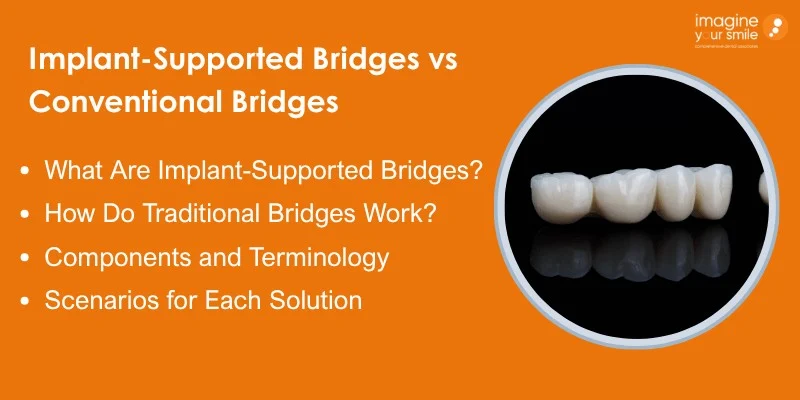
After the implants heal and fuse with your bone, your dentist attaches the bridge to them. The bridge includes the replacement teeth, called pontics, that fill the gap in your smile.
You typically need two implants to support a bridge of three or four teeth.
This type of fixed bridge doesn’t require any changes to your healthy teeth. The implant-supported bridge maintains jawbone integrity because the titanium posts stimulate the bone just like natural tooth roots.
How Do Traditional Bridges Work?
A traditional bridge uses your natural teeth on either side of the gap as support. These teeth are called abutment teeth. Your dentist reshapes these healthy teeth by removing some enamel to make room for crowns.
The bridge consists of crowns that fit over the abutment teeth and pontics that replace the missing teeth in between.
Everything is connected as one piece. Your dentist cements the entire structure permanently to your abutment teeth.
Traditional bridges rely on adjacent teeth for support rather than being anchored in your jawbone. This means your natural teeth must be strong and healthy enough to handle the extra pressure from supporting the bridge.
Components and Terminology
Understanding the parts of each dental bridge type helps you make better treatment decisions. Here are the key components:
Implant-Supported Bridge Parts:
- Titanium posts (the implants placed in your jawbone)
- Abutments (connectors between implants and bridge)
- Pontics (artificial teeth that fill the gap)
- Bridge framework (holds everything together)
Traditional Bridge Parts:
- Abutment teeth (your natural teeth on each side)
- Crowns (caps that cover the abutment teeth)
- Pontics (replacement teeth in the middle)
- Cement (bonds the bridge to your teeth)
Both types of fixed bridges stay in your mouth permanently. You can’t remove them like dentures.
Scenarios for Each Solution
Your specific situation determines which bridge works best for you. Choosing between traditional and implant-supported bridges depends on several factors.
You might need an implant-supported bridge if you’re missing three or more teeth in a row and have healthy jawbone.
This option works well when you want to avoid altering healthy teeth or when your adjacent teeth aren’t strong enough to support a traditional bridge.
A traditional bridge might suit you better if you can’t have implant surgery due to health conditions or insufficient bone. It’s also an option when the teeth next to your gap already need crowns.
The procedure takes less time than implants because you skip the surgical healing period.
Your budget matters too. Traditional bridges cost less upfront, while implant-supported bridges require a larger initial investment but may last longer.
Key Advantages of Implant-Supported Bridges
Implant-supported bridges offer significant improvements over traditional options by directly addressing jawbone health while providing better stability and protection for your existing teeth.
These permanent dental restoration options work with your body’s natural processes to maintain bone density and give you back full chewing function.

Bone Preservation and Jawbone Health
When you lose teeth, your jawbone begins to shrink because it no longer receives stimulation from tooth roots. Dental implant bridges prevent bone loss by acting like natural tooth roots in your jaw.
The titanium posts fuse with your jawbone through a process called osseointegration. This creates a strong bond that stimulates the surrounding bone tissue every time you chew or bite.
The constant stimulation keeps your jawbone density at healthy levels.
Traditional bridges sit on top of your gums and don’t offer any bone preservation benefits. Your jawbone continues to deteriorate under a traditional bridge, which can change your facial structure over time.
With implants, you maintain jawbone health for years to come.
Enhanced Stability and Functionality
Implant-supported bridges are anchored directly into the jawbone using titanium posts. This gives you a level of stability that traditional bridges can’t match.
You can eat tough or sticky foods without worry. The bridge won’t shift or slip when you bite into an apple or chew a steak. Many people report that eating feels natural again after getting implant-supported bridges.
Traditional bridges rely on your neighboring teeth for support, which means they move slightly when you chew. This movement can feel uncomfortable and limit what foods you choose to eat.
Your implant-supported bridge stays firmly in place because it’s secured to your jaw itself, not other teeth.
Protecting Healthy Teeth
One major advantage is that implant-supported bridges don’t require reshaping healthy neighboring teeth. Traditional bridges need the teeth on either side of the gap to be filed down for crowns.
When you grind down healthy teeth, you remove protective enamel that never grows back. Those teeth become more vulnerable to decay and damage.
They also have a shorter lifespan because they’re supporting extra weight from the bridge.
With implants, your healthy teeth stay untouched. The titanium posts in your jawbone do all the work of supporting your new teeth. This preserves more of your natural tooth structure for life.
Natural Appearance and Smile Restoration
Implant-supported bridges help you restore your smile with teeth that look and feel real. The crowns are custom-made to match your natural teeth in color, shape, and size.
Because implants prevent bone loss, your facial structure stays the same. Your cheeks won’t sink in and your lips won’t thin out like they can with traditional bridges or dentures. This keeps you looking younger and more vibrant.
The bridge emerges from your gumline just like natural teeth would. There are no visible metal clasps or gaps. When you smile, talk, or laugh, people see beautiful teeth that blend in perfectly with the rest of your mouth.
Comparing Longevity, Comfort, and Maintenance
Implant bridges can last 15 years or longer with proper care, while traditional dental bridge options typically need replacement every 5 to 10 years.
The difference goes beyond just durability; it affects your daily routine, your gum health, and how confident you feel when you smile and eat.

Durability and Lifespan
Dental implants are built to last. When you choose an implant bridge, you’re getting a solution that can serve you for 15 years or more, and many last a lifetime with good care.
The titanium posts fuse directly with your jawbone, creating a foundation that’s incredibly strong and stable.
A traditional dental bridge has a shorter lifespan. Most need replacement every 5 to 7 years, though some can last up to 10 or 15 years if you take excellent care of them.
The bridge relies on your natural teeth for support, and those anchor teeth can weaken over time from the extra stress they carry.
Lifespan Comparison:
| Bridge Type | Typical Lifespan | Maximum Lifespan |
| Implant-Supported | 15+ years | Lifetime |
| Traditional | 5-7 years | 10-15 years |
The longer you keep your bridge without needing replacement, the fewer dental appointments you’ll need and the less money you’ll spend over your lifetime.
Long-term Oral Health Impacts
Your jawbone needs stimulation to stay healthy and strong. When you lose a tooth, the bone underneath starts to shrink because it’s not being used.
Dental implant posts act like natural tooth roots; they stimulate your jawbone every time you chew, preventing bone loss and keeping your facial structure intact.
Traditional bridges sit on top of your gums without reaching the bone. This means bone loss can still happen underneath the bridge, even though the gap is filled. Over time, this can change the shape of your face and make your jaw weaker.
The teeth next to your gap also face different outcomes. Implant bridges don’t touch your healthy teeth at all. Traditional bridges require filing down the teeth on both sides of the gap so crowns can fit over them.
Once you file down a healthy tooth, you can’t undo it. Those modified teeth become more vulnerable to decay and may need additional dental work down the road.
Daily Care and Hygiene
Both types of bridges need good daily cleaning to last as long as possible. You’ll need to clean underneath the artificial tooth where food particles and plaque can build up.
Regular brushing twice a day and daily flossing are essential for keeping your gums healthy.
For cleaning under your bridge, a floss threader helps you guide regular floss into tight spaces. A water flosser can be easier to use and does a great job removing debris from around your bridge and between your teeth. Small interdental brushes are also helpful for reaching tricky spots.
Implant bridges are easier to clean because they’re anchored independently. Traditional bridges connect multiple teeth together, which makes threading floss underneath more challenging.
You need to be extra careful with traditional bridges because the natural teeth supporting them can still get cavities if plaque builds up around the crowns.
Regular dental check-ups every six months help catch any problems early and keep your bridge in top shape.
Comfort and Confidence
Implant bridges feel remarkably natural because they’re anchored directly into your bone, just like real teeth. You can bite into an apple, chew steak, or eat corn on the cob without worrying. The bridge doesn’t move or shift when you talk or laugh.
Traditional bridges also restore your ability to chew and speak normally, but some people notice a slight difference in how they feel. Since they’re cemented to your natural teeth, they can feel bulkier at first, though most people adjust within a few weeks.
Both options look natural and restore your smile beautifully. The main difference in confidence comes from knowing your bridge is secure.
With dental implants, you don’t have to worry about your bridge loosening over time or needing frequent replacements. That peace of mind helps you feel more confident in social situations and when eating your favorite foods.
Treatment Process: Steps, Recovery, and Candidate Suitability
The process for getting an implant-supported bridge involves multiple stages and takes several months to complete, while traditional bridges require just two visits.
Your jawbone density and overall oral health determine whether you qualify for either option.
Implant-Supported Bridge Procedure Overview
Your dentist will first place titanium implants into your jawbone during a surgical procedure. This typically requires local anesthesia to keep you comfortable.
The number of implants you need depends on how many teeth you’re replacing, but usually two implants support a bridge for three or four missing teeth.
After placement, you’ll wait three to six months for osseointegration to occur. This is when your jawbone fuses with the titanium implants to create a stable foundation. During this healing period, you might wear a temporary partial denture.
Once the implants have fully integrated, your dentist attaches abutments to the implants. These small connector pieces hold your custom bridge in place.
The implant-supported bridge procedure requires significant recovery time between the two main procedures, but the result is a permanent tooth replacement.
Traditional Bridge Placement Process
Traditional bridges need just two appointments spread over a few weeks. Your dentist prepares the teeth on both sides of the gap by filing them down to create room for crowns.
During your first visit, your dentist takes impressions of your teeth. A dental lab uses these impressions to create your custom bridge. You’ll wear a temporary bridge while waiting for your permanent one.
At your second appointment, your dentist removes the temporary bridge and cements the permanent one in place.
The entire process usually takes two to three weeks from start to finish. There’s minimal recovery time since no surgery is involved.
Candidacy Criteria and Jawbone Density Requirements
You’re an ideal candidate for implant-supported bridges if you meet these criteria:
- Missing multiple teeth next to each other
- Good overall oral health and healthy gums
- Adequate jawbone density to support implants
- Non-smoker or willing to quit smoking
- Committed to good oral hygiene
Jawbone density is critical for implant success. Your dentist will take X-rays or CT scans to measure your bone volume. If you’ve had missing teeth for a long time, your jawbone may have deteriorated.
Without enough bone, implants can’t properly integrate.
Traditional bridges have fewer requirements. You need healthy natural teeth on both sides of the gap to support the bridge. Your gums should be disease-free, but jawbone density doesn’t matter as much.
Role of Bone Grafting and Advanced Techniques
If you lack sufficient jawbone density, a bone graft can build up the area. Your dentist places bone grafting material into your jaw, which stimulates new bone growth over several months.
Bone grafting adds time to your treatment. You’ll need to wait three to six months after the graft before receiving implants. This extends the total treatment time to nine months or longer.
Prosthodontics specialists use advanced techniques to help patients with bone loss. These include shorter implants, angled implant placement, and zygomatic implants that anchor in the cheekbone.
Your specific situation determines which approach works best for your needs.
Additional Tooth Replacement Options and Alternatives
Beyond implant-supported bridges, several other solutions exist for replacing missing teeth. Each option offers different benefits depending on your budget, oral health, and how many teeth you need to replace.
Implant-Supported Bridge vs. Other Solutions
Implant-supported bridges stand out from other tooth replacement methods because they combine the stability of dental implants with the tooth-replacing function of dental bridges.
Unlike traditional dentures that sit on your gums or partial dentures that clip onto existing teeth, implant-supported bridges are anchored directly into your jawbone.
This anchoring prevents bone loss in your jaw and provides better chewing ability. Comparing implant-supported options to traditional bridges shows significant differences in long-term maintenance needs.
A Maryland bridge offers a conservative alternative that doesn’t require shaving down adjacent teeth. However, it’s typically only suitable for front teeth and isn’t as strong as implant-supported options.
Overview of All-on-4 and All-on-6
All-on-4 and All-on-6 systems are specialized implant-supported solutions designed to replace an entire arch of teeth. The All-on-4 uses four strategically placed implants to support a full set of upper or lower teeth.
All-on-6 uses six implants for added stability.
These treatments work well if you’re missing most or all teeth in one arch. The implants act as permanent anchors for a fixed prosthetic that looks and functions like natural teeth.
You can’t remove these dentures at home like traditional dentures. Only your dentist can take them out for maintenance. This stability means you can eat most foods without worry and don’t need messy adhesives.
Partial Dentures, Complete Dentures, and Other Bridges
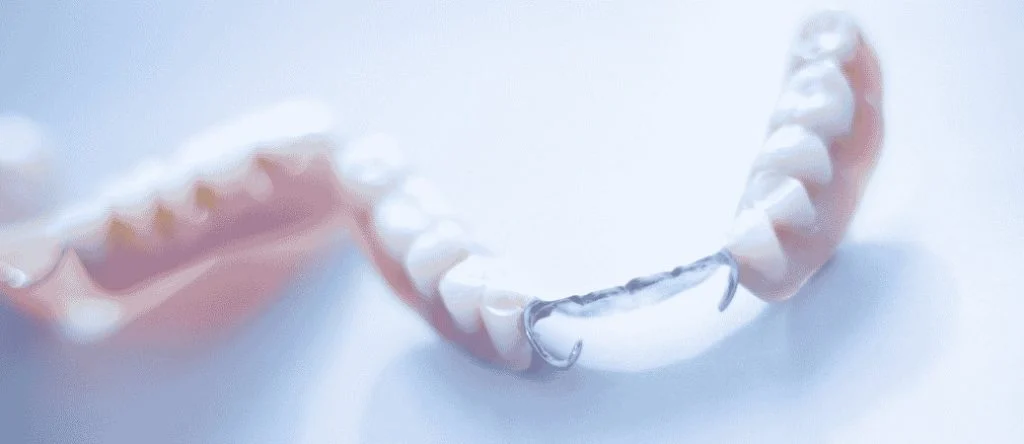
A partial denture replaces several missing teeth and clips onto your remaining natural teeth. It’s removable and more affordable than implant options. A complete denture replaces all teeth in an arch and rests on your gums.
Traditional dentures require removal at night for cleaning. They can slip while eating or speaking, especially as your jawbone changes shape over time. Some people need adhesives to keep them in place.
Common denture challenges:
- Need replacement every 5-10 years
- May feel less secure than fixed options
- Can affect taste and speech initially
- Require daily removal and cleaning
Traditional dental bridges require filing down the teeth on either side of the gap. These supporting teeth must be healthy enough to bear the extra load.
Choosing the Right Prosthodontic Approach
Your best tooth replacement option depends on several personal factors. Consider how many teeth you’re missing, your jawbone density, and your budget for treatment.
Dental implants generally offer the best long-term results for your oral health because they prevent bone loss. However, they require sufficient bone mass and cost more upfront than other options.
If you have multiple missing teeth but can’t afford individual implants, an implant-supported bridge or All-on-4 system might work better. These use fewer implants while still providing stability.
Your dentist can assess your specific situation through x-rays and examination. They’ll explain which options suit your oral health, lifestyle needs, and financial situation.
Age, overall health, and your commitment to oral hygiene also play important roles in determining the most appropriate solution.
Making an Informed Decision: Factors to Consider
Your choice between implant-supported and traditional bridges depends on your budget, daily habits, long-term oral health goals, and professional guidance.
Each factor plays a different role in determining which tooth replacement option works best for your situation.
Budget and Insurance Considerations
Cost is a major factor when choosing between tooth replacement options. Traditional bridges typically range from £250 to £1,000, while implant-supported bridges start at around £3,500 because they require dental implants to anchor them.
You need to check what your insurance covers. Most dental plans offer some coverage for traditional bridges since they’re considered a standard procedure.
Implant-supported options often receive limited or no coverage because insurers may classify them as cosmetic.
Consider the long-term value beyond the initial price. While traditional bridges cost less upfront, they may need replacement every 10 to 15 years.
The implant posts in an implant-supported bridge can last a lifetime, though the crown portion still needs replacing after 10 to 15 years.
If budget is your main concern, you might explore dental tourism or payment plans that many practices offer for higher-cost procedures.
Functional Lifestyle Needs
Your daily activities should influence your decision. If you eat hard or sticky foods regularly, implant-supported bridges provide better stability because they’re anchored directly into your jawbone.
Athletes or people who grind their teeth at night benefit from the stronger foundation that implants provide. Traditional bridges rely on neighboring teeth for support, which can weaken over time under excessive pressure.
Think about your comfort level with dental procedures. Getting an implant-supported bridge requires surgery and a longer healing period.
Traditional bridges need just two or three visits and don’t involve surgery, making them appealing if you want faster results.
Your speaking and chewing needs matter too. Both options restore these functions well, but implant-supported bridges often feel more like natural teeth because they integrate with your jaw.
Preserving Oral and Jawbone Health
Implant-supported bridges help prevent jawbone deterioration that happens after tooth loss. The implant posts stimulate your jawbone just like natural tooth roots do, maintaining bone density and facial structure.
Traditional bridges don’t replace tooth roots, so bone loss can continue underneath the bridge. This may cause your face to look sunken over time and can affect the fit of your bridge.
The impact on surrounding teeth is another health consideration. Traditional bridges require grinding down healthy teeth on either side of the gap to anchor the bridge.
This removes protective enamel permanently, making those teeth more vulnerable to decay.
Implant-supported bridges don’t affect your adjacent teeth at all. They stand independently, preserving the natural structure of neighboring teeth and reducing your risk of future dental problems.
Consulting with Your Dental Professional

Your dentist will evaluate whether you have enough bone density for implants. Bone loss after missing teeth is common, and you may need bone grafting before implant placement.
Discuss your medical history thoroughly. Certain conditions like uncontrolled diabetes or active gum disease may affect healing after implant surgery. Your dentist can recommend the right option for your specific situation.
Ask about the timeline for each procedure. Traditional bridges take a few weeks from start to finish. Implant-supported bridges require several months because the implants need time to fuse with your jawbone.
Get a detailed cost breakdown for both options. Your dentist can explain what your insurance will cover and suggest financing options. They can also show you examples of previous work to help you visualize your results.
Frequently Asked Questions
Implant-supported bridges differ from traditional bridges in how they attach to your mouth, and they can last 20 to 30 years or longer with proper care. They also help prevent bone loss in your jaw that naturally happens after tooth loss.
How is an implant-supported bridge different from a traditional dental bridge?
A traditional bridge fills the gap from missing teeth by attaching to your natural teeth on either side of the space. Your dentist has to file down these healthy teeth and cover them with crowns to hold the bridge in place.
An implant-supported bridge uses titanium posts that are placed into your jawbone instead of relying on your natural teeth. The posts act like artificial tooth roots and hold the bridge without touching your other teeth.
This means your healthy teeth stay untouched and unaltered.
For multiple missing teeth in a row, you usually need fewer implants than you might think. Two implants can securely anchor a bridge that replaces three or four teeth.
Am I a good candidate for an implant-supported bridge if I have missing teeth?
Most healthy adults can get dental implants. Your jawbone needs to have enough density and volume to support the implant posts.
If you’ve had missing teeth for a long time, you might have experienced bone loss in that area. Patients with significant bone loss may need a bone graft procedure before implant placement.
Your dentist will take X-rays or a CT scan to check your bone health during your consultation.
Certain medical conditions and medications can affect whether implants are right for you. Your overall oral health and gum condition also play a role in determining if you’re a good candidate.
How long do implant-supported bridges typically last compared to traditional bridges?
Traditional bridges usually last 10 to 15 years before they need replacement. The bridge may wear down over time, and the supporting teeth can develop problems that require treatment.
Implant-supported bridges can last 20 to 30 years or even a lifetime when properly cared for. The implant posts themselves are very durable once they fuse with your jawbone.
The bridge or crowns attached to the implants might need replacement eventually, but the posts typically stay in place permanently.
The longer lifespan makes implants more cost-effective over time, even though they cost more upfront.
Do implant-supported bridges help prevent bone loss or changes in my facial shape?
Yes, implant-supported bridges actively prevent bone loss in your jaw. When you lose a tooth, the jawbone in that area starts to shrink because it no longer gets stimulation from a tooth root.
Traditional bridges replace the visible tooth but do nothing to stop this bone loss. Over years, this can cause a sunken appearance at the site of the missing tooth. Your face may look different as the bone continues to shrink.
Implants function as artificial roots and stimulate the bone just like natural teeth do. By preserving bone density, implant-supported bridges help maintain your natural facial structure and protect the stability of your surrounding teeth.
What is the treatment timeline for getting an implant-supported bridge from start to finish?
The process takes longer than getting a traditional bridge. After your initial consultation and imaging, your dentist surgically places the implant posts under local anesthesia.
You’ll need a healing period of three to six months while the implants fuse with your jawbone. This process is called osseointegration and creates a stable foundation for your bridge.
Once the implants are fully healed, your dentist attaches connector pieces and places your final bridge.
The total treatment timeline typically ranges from four to eight months depending on your healing speed and bone density. Your dentist may give you a temporary solution to wear during the healing period.
What kind of care and cleaning do implant-supported bridges need day to day?
You clean implant-supported bridges much like you clean natural teeth. Regular brushing twice a day and daily flossing are the main requirements.
You don’t need special threading techniques to clean under the bridge like you do with traditional bridges. A water flosser can make cleaning easier and more thorough.
Regular dental checkups and professional cleanings help ensure your implants and bridge stay healthy.
Good oral hygiene helps your implant-supported bridge last as long as possible. The maintenance is straightforward and fits easily into your daily routine.