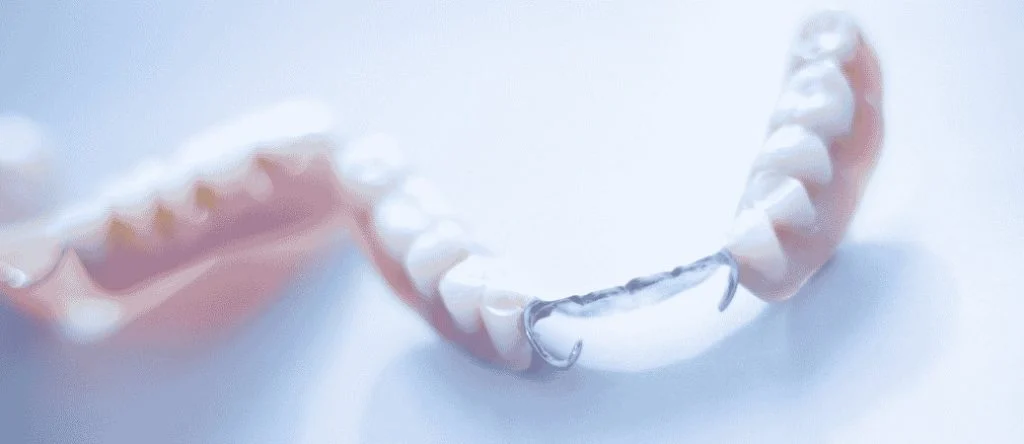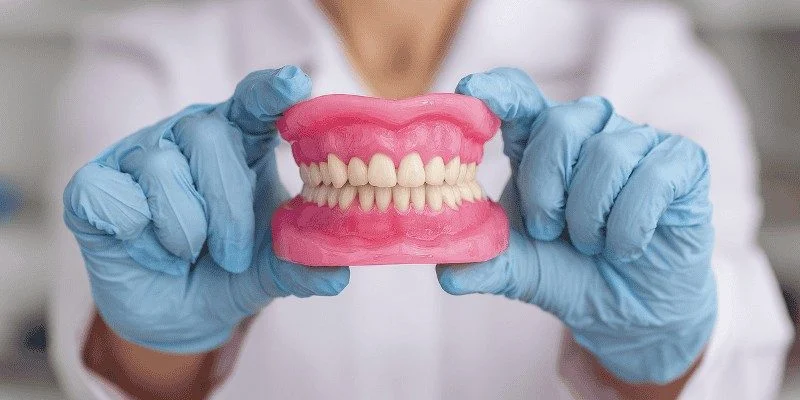
If you’re considering implant-supported dentures, the number of implants you need often comes down to your mouth and goals.
For many people, two to four implants can secure a removable lower denture, while four to six implants or an All‑on‑4 approach usually anchors a full, fixed arch. Your dentist will look at bone health, jaw shape, and how permanent you want the teeth to be before recommending a plan.
Knowing the typical implant ranges helps you talk clearly with your dentist and set realistic expectations about cost, recovery, and care. Keep reading to learn which options match your needs and why one plan may fit you better than another.
Key Takeaways
- Implant counts vary by denture type and jaw anatomy.
- Fewer implants can stabilize removable dentures; more implants give fixed support.
- Your health and goals guide the final implant plan.
How Many Implants Are Typically Needed?
You usually need at least two implants for a lower denture and more for long-term stability. The exact number depends on jaw location, bone density, and whether you want a removable or fixed prosthesis.
Minimum and Optimal Implant Numbers
The minimum for a functioning implant-supported lower denture is two implants. Two implants can hold a snap-in denture and stop most slipping.
Many clinicians recommend three implants in the front when four cannot be placed. Three reduces front-to-back rocking and gives a backup if one implant fails. For a fully fixed arch, four to six implants per jaw are common. Systems like All-on-4 use four implants to support a full fixed bridge.
Decisions also consider your chewing needs. If you eat tougher foods or want a fixed solution, aim for four to six implants. If you want a removable option with lower cost, two to three implants often work.
Differences for Upper and Lower Jaws
The lower jaw usually needs fewer implants than the upper jaw because bone density is higher in the mandible. You can often place two to four implants in the lower jaw and get good stability.
The upper jaw has softer bone and a larger sinus cavity above the back teeth. For an upper full-arch fixed prosthesis, clinicians often use four to six implants. You may need bone grafts or sinus lifts before more implants can be placed.
If you want a removable upper denture, two to four implants can still improve fit. Your dentist will image your jaw and recommend the safest and most stable number for your upper or lower arch.
Why Bone Density Matters
Bone density affects how many implants you can place and where they go. Denser bone gives better primary stability, so fewer implants may be needed to support a denture.
If your jaw has low bone density, you might need more implants or bone grafting to spread forces and prevent implant overload. Poor bone health can lead to implant failure if too few implants take too much chewing force.
Your dentist will evaluate bone height and width with scans. That exam decides if you can use two implants for a snap-in denture, three for extra support, or four to six for a fixed arch. Consider bone health before choosing the implant number.
Types of Implant-Supported Dentures
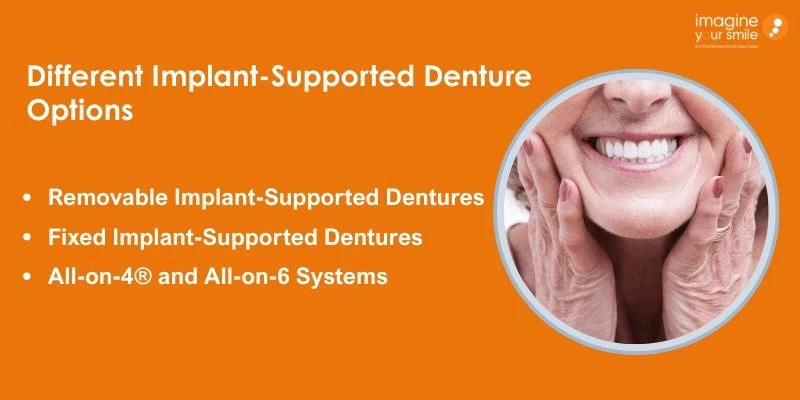
You’ll choose between removable options that snap on for easier cleaning and fixed options that stay in place for stronger bite force. Your bone health, budget, and how permanent you want the teeth will guide the choice.
Removable Implant-Supported Dentures
Removable implant-supported dentures, often called overdentures, clip onto two to four implants. They give more stability than regular dentures but let you take the denture out each night for cleaning.
You’ll find locator attachments, bars, or ball fittings secure the denture to the implants. Locator systems are low-profile and easy to maintain. Bars give extra stability if you have wider jaw movement.
These dentures usually need fewer implants and cost less than fixed options. They work well if your bone is limited or you want a reversible solution. Cleaning is simpler because you remove the prosthesis, but you still must clean around the implant posts and attachments daily.
Fixed Implant-Supported Dentures
Fixed implant-supported dentures, sometimes called hybrid dentures, attach to four to six implants and stay in your mouth full-time. You cannot remove them yourself; a dentist must.
They feel most like natural teeth and let you eat tougher foods. Fixed bridges spread bite forces across multiple implants, which helps long-term stability and reduces wear on any single implant.
Expect higher upfront cost and more implants than a removable overdenture. You’ll need good oral hygiene and routine dental visits to keep implants healthy. If you want a permanent restoration and stronger chewing power, fixed dentures are the common choice.
All-on-4® and All-on-6 Systems
All-on-4® uses exactly four implants per arch, with two placed at an angle to use available jaw bone and avoid grafting. This method often speeds treatment and lowers implant count while still supporting a full fixed arch.
All-on-6 places six implants for extra support and may suit patients with stronger bite forces or more jaw bone. Both systems deliver a full-arch fixed restoration that stays in place 24/7.
You’ll get a temporary prosthesis soon after implant placement in many cases. This lets you leave the office with teeth the same day. Long-term success depends on implant placement, bone quality, and consistent oral care.
Factors That Influence How Many Implants You Need
Several practical choices and medical factors decide implant count: whether you need bone grafting, how strong your jawbone is, how hard you bite, and what kind of denture you want. Each of these affects implant placement, stability, and long-term success.
Bone Grafting and Jawbone Quality
If your jawbone has lost density, you may need a bone graft to support implants. Bone grafting rebuilds lost bone so implants can achieve osseointegration (the bone fusing to the implant). Without enough bone, implants can fail or be placed at weaker angles that reduce support.
Your dentist will measure jawbone density with scans. If grafting is needed, expect extra healing time (often several months) before implant placement. In some cases, angled implants (like All-on-4) avoid grafting, but that choice depends on how much native bone you still have and where it’s located.
Oral Health and Bite Force
Bruxism (teeth grinding) and a strong bite increase stress on implants and denture frameworks. If you grind your teeth, you may need more implants spread across the arch to distribute force evenly. A night guard or botulinum toxin can lower grinding forces while implants heal.
Active gum disease or untreated decay must be fixed before implants. Healthy gums and bone help osseointegration. Your dentist will assess gum health, check for infection, and plan implant placement to avoid high-stress points that could loosen implants over time.
Budget and Treatment Preferences
Your budget shapes how many implants you choose and whether you want removable or fixed dentures. Fewer implants (2–4) often support snap-in overdentures that you remove daily; more implants (4–6+) typically support a fixed hybrid denture you wear full time. Each implant adds cost for surgery, parts, and follow-up care.
Talk with your dentist about staged approaches: start with fewer implants for a removable denture, then add implants later if you want a fixed bridge. Financing options and estimated long-term maintenance costs should factor into your decision about implant placement and the type of restoration you select.
Benefits of Implant-Supported Dentures
Implant-supported dentures give you firmer bite force, better jaw health, and more confidence when you eat, speak, and smile. They fix many common problems with loose dentures and replace missing teeth more securely than traditional plates.
Stability and Comfort
You get a denture that stays put because implants anchor the prosthesis to your jawbone. That means no more slipping when you talk or laugh. Fixed options feel like natural teeth and removable snap-on styles seat firmly with two to four implants so they won’t shift during chewing.
Comfort improves because implants move chewing forces into bone instead of soft gums. You’ll bite with more power and eat firmer foods like apples or steak more easily. Fewer sore spots and less denture adhesive are common benefits.
Improved Bone Preservation
When you lose teeth, your jawbone can shrink over time. Implants act like tooth roots and stimulate the bone during chewing. This helps slow or prevent the bone loss that makes faces look sunken and denture fit worse.
Because implants preserve bone, your dentures keep fitting better for longer. You may avoid frequent relines or new denture molds. In cases with bone loss, your dentist might suggest bone grafting so implants can be placed.
Quality of Life Upgrades
You gain simple daily freedoms: clearer speech, less worry about dentures popping out, and easier eating in public. Stable implants let you chew with more force, so you can eat a wider variety of foods and get better nutrition.
Social confidence often improves because you won’t be constantly adjusting your denture. Cleaning routine is like natural teeth for fixed options (brush and floss) while removable implant-retained dentures come out for nightly cleaning.
Many patients find the longer lifespan of implants reduces long-term cost and hassle compared with repeatedly replacing traditional dentures.
Caring for Your Implant-Supported Dentures
Keep your implants and denture clean every day, check attachments for wear, and get regular professional checkups. Small daily steps protect gum tissue, the implant posts, and the denture’s fittings.
Daily Cleaning and Maintenance
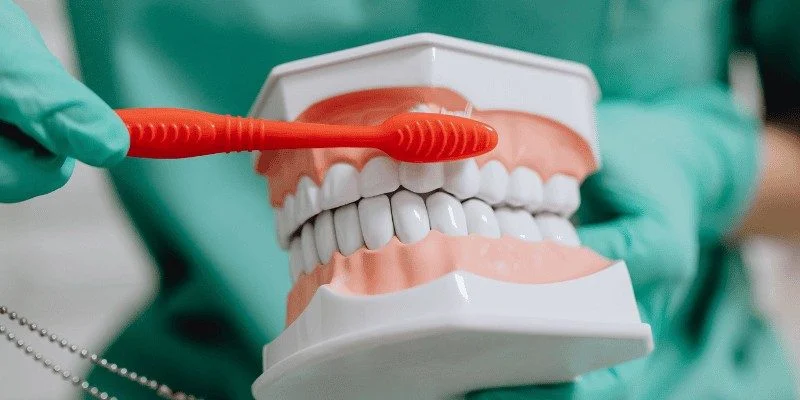
Remove removable implant-retained dentures each morning and rinse under lukewarm water to clear food debris. Brush the denture with a soft denture brush and non-abrasive cleanser to avoid scratches.
Clean around implants in your mouth with a soft-bristle toothbrush; angle the brush to reach the gum line and abutments.
Use a floss threader to pass floss beneath fixed prostheses or around individual implants. Pull the floss up and out, not back and forth, to avoid trauma.
Rinse with an alcohol-free antimicrobial mouthwash if your dentist recommends it. Don’t sleep with removable dentures in unless your clinician advises otherwise.
Check attachments and soft liners daily for looseness, cracks, or odor. If the denture feels loose or causes persistent sore spots, stop using it and call your dental team for adjustment.
Special Tools and Techniques
Interproximal brushes sized for implant spaces clean the gaps around abutments and between implants better than regular floss in some areas. Choose a brush with a plastic-coated wire to avoid scratching metal parts.
An oral irrigator (water flosser) helps flush food and plaque from under overdenture bars and around implant posts. Use low to medium pressure and aim along the gum line, not directly at an exposed implant thread.
Use a floss threader or super-floss to work beneath fixed bridges or attachments. Slide the stiff end under the prosthesis, then move the soft floss portion side to side against the implant surfaces.
Keep spare attachment caps and denture-soaking tablets on hand. Replace worn O-rings or locator caps promptly to maintain fit and reduce stress on implants.
Frequently Asked Questions
This section answers specific questions about implant numbers and costs for upper and lower dentures, snap-in versus fixed options, and full-mouth plans. I give clear ranges and typical factors so you know what to expect.
What’s the minimum number of implants required for secure upper dentures?
You typically need at least four implants for a fixed upper denture to achieve stable, non-removable teeth. Some cases use four angled implants (All-on-4) to avoid bone grafting and still support a full arch.
For removable snap-in upper dentures, you may need three or four implants for good retention and to reduce movement while eating or speaking. Upper jaw bone tends to be softer, so dentists often recommend more implants than for the lower jaw.
Can two implants effectively support lower dentures?
Yes. Two implants can stabilize a removable lower denture and greatly reduce slipping. Many patients get a two-implant overdenture for improved comfort and simpler maintenance.
If you want a fixed, non-removable lower arch, you’ll usually need four or more implants for even load distribution and long-term durability. Your bite force and jawbone health affect that choice.
What’s the typical price range for a full upper implant-supported denture?
A full fixed upper arch commonly ranges from $15,000 to $30,000 per arch in the U.S., depending on implant type, lab work, and location. All-on-4 procedures often fall near the lower end of that range, but prices vary with materials and clinic fees.
Removable overdentures with fewer implants generally cost less, often between $6,000 and $15,000 for the arch. Your dentist will give a personalized estimate after imaging and a treatment plan.
How does the cost of snap-in denture implants compare to traditional ones?
Snap-in (locator) dentures cost more than traditional acrylic dentures because of the implants and attachments. Expect snap-in setups to run several thousand dollars more than conventional dentures due to surgery and implant parts.
Compared to fixed implant bridges, snap-in dentures are usually less expensive. They offer a middle ground: better stability than traditional dentures at lower cost than a fully fixed arch.
Is there a different implant requirement for a full mouth restoration?
Full mouth restorations can use combinations of implants per arch. Many protocols use four to six implants per arch for fixed bridges, or four per arch in an All-on-4 plan. Your dentist will design the plan around bone volume, bite forces, and whether you want removable or fixed teeth.
Some clinics place multiple implants in one visit if your health allows. Talk with your implant team about sequencing, healing time, and whether bone grafting is needed.
What financial investment should you anticipate for lower denture implants?
A lower overdenture supported by two implants often costs $4,000 to $10,000 for the arch. Costs rise to $10,000–$25,000 or more if you choose a fixed lower bridge with four or more implants and higher-end prosthetics.
Insurance, location, and preparatory work like tooth extractions or bone grafts change the final price. Ask your clinic for an itemized estimate that lists surgery, implants, abutments, and the denture or bridge.