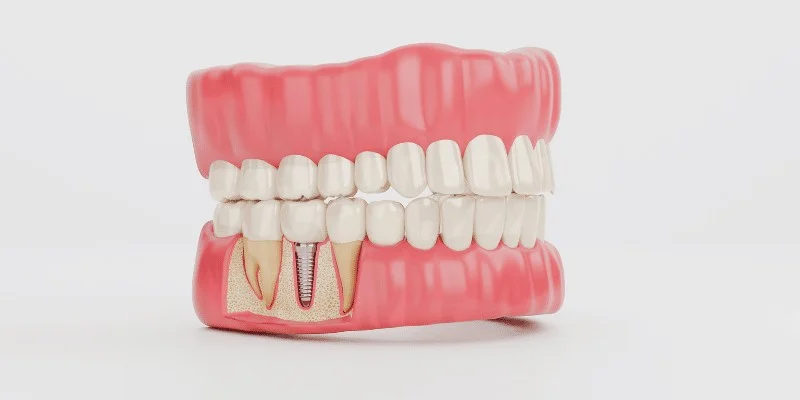
When you sit in the dental chair and receive a filling, crown, or other restoration, one of the first questions that probably crosses your mind is: what is the lifespan of dental restorations?
Research shows that dental restorations can last anywhere from 10 to 20 years or more, depending on the type of material used, where it’s placed in your mouth, and how well you care for it.
Understanding what influences the lifespan of your dental work can help you make better decisions about your oral health and know what to expect from your treatment.
The longevity of dental restorations isn’t just about the material your dentist uses. Multiple factors contribute to how long restorations last, including your own habits, the location of the restoration, and even how your dentist performs the procedure.
Recent studies analyzing millions of restorations have given us clearer answers about what you can expect from modern restorative dentistry.
Large-scale research on restoration survival has revealed patterns that can help you understand why some dental work lasts decades while other restorations need replacement sooner.
Whether you’re considering composite fillings, crowns, or other treatments, knowing what the science says can give you confidence in your dental care choices.
Key Takeaways
- Modern dental restorations typically last 10-20 years when properly maintained with good oral hygiene and regular dental visits
- The longevity of your dental work depends on material choice, tooth location, and patient-related factors like diet and grinding habits
- Secondary decay and fractures are the main reasons restorations fail, but preventive care can extend their lifespan
Table of Content
- Key Factors Influencing Restoration Longevity
- Restorative Materials: Durability and Outcomes
- Clinical Performance in Different Tooth Regions
- Common Causes of Restoration Failure and Preventive Strategies
- Evidence from Long-Term Practice-Based Research
- Frequently Asked Questions
Key Factors Influencing Restoration Longevity
The longevity of dental restorations depends on a complex mix of tooth conditions, patient behaviors, and how your dentist performs the procedure. Understanding these factors helps you know what to expect from your dental work.

Tooth-Related Determinants
The size and location of your restoration play a major role in how long it will last. Larger restorations have a higher chance of restoration failure because they cover more tooth structure and face greater stress during chewing.
The type of tooth being restored matters too. Back teeth (molars and premolars) handle more chewing force than front teeth, which affects restoration survival rates.
Your tooth’s health before treatment is important. If you’re getting a restoration because of decay, the amount of remaining healthy tooth structure influences clinical outcomes.
Teeth with extensive damage or previous restorations often need more complex work, which can impact how long the new restoration lasts.
The position of the cavity also affects results. Cavities that extend below the gum line or between teeth are harder to restore properly and may not last as long as simpler cavities on the chewing surface.
Patient-Specific Influences
Your personal habits and health conditions significantly impact restoration longevity. If you have a high caries risk due to diet, poor oral hygiene, or dry mouth, your restorations face greater challenges.
Bacteria and acids in your mouth can cause new decay around the edges of fillings and crowns.
Age plays a role in how long restorations last. Older patients often experience higher failure rates, though this relates to factors like medication use and overall oral health rather than age alone.
Bruxism, or teeth grinding, puts extra pressure on your restorations. If you grind your teeth at night, you’re more likely to crack or wear down your dental work faster than someone who doesn’t. A night guard can help protect your restorations.
Your overall health matters too. Conditions like diabetes can affect healing and increase your risk of complications. Medications that cause dry mouth reduce saliva’s protective effects, making restorations more vulnerable to decay.
Dentist and Clinical Practice Variables

Your dentist’s skill and experience directly affect how well your restoration performs. Research shows that operator-related factors are fundamental to restoration longevity.
The technique your dentist uses during the procedure matters. Proper isolation from saliva, correct bonding procedures, and attention to detail all influence the final result. Even small mistakes during placement can lead to early failure.
Practice-based research shows that conservative treatment approaches often lead to better outcomes. Dentists who are too quick to replace restorations can actually shorten the overall lifespan of your tooth.
The materials your dentist chooses and how they’re used affect durability. Different brands and types of resin-based composite materials have varying properties, and your dentist’s familiarity with specific materials impacts success rates.
Restorative Materials: Durability and Outcomes
Different dental filling materials offer varying levels of performance and longevity in your mouth.
Research shows that traditional resin composites deliver durable outcomes in many clinical scenarios when dentists use proper techniques, while amalgam and glass ionomer options each provide distinct benefits for specific situations.
Composite Resin Restorations
Composite resin restorations have become the most popular choice for fixing cavities in both front and back teeth. These tooth-colored fillings bond directly to your tooth structure and look natural.
Resin composite materials offer aesthetic and minimally invasive treatment options. However, concerns about their long-term durability still exist. Issues like wear, staining, and breakdown at the edges can affect how long they last.
Posterior composite restorations face more challenges than fillings in front teeth. The back teeth handle heavy chewing forces that can stress the material.
Studies show that when dentists select materials properly and use validated adhesive protocols, these fillings can last for many years.
Your composite restorations work best when your dentist chooses the right type for your specific cavity. Newer bulk-fill options speed up placement while maintaining strength.
The success depends heavily on proper technique during placement and your oral hygiene habits afterward.
Amalgam Restorations Comparison
Amalgam has served as a dental filling material for over 150 years. These silver-colored fillings contain mercury mixed with other metals like silver, tin, and copper.
No clear consensus exists on whether amalgam or composite resin materials are more durable based on randomized clinical trials. Both materials can last a long time when placed correctly.
Amalgam generally withstands heavy chewing forces well and resists wear in back teeth.
The main drawbacks include the metallic appearance and concerns about mercury content. Many countries are working to reduce amalgam use for environmental reasons.
Amalgam also requires dentists to remove more tooth structure during preparation compared to composite options.
Your amalgam fillings may last 10-15 years or longer with good care. They work especially well in areas with high moisture or where placing composite would be difficult.
Glass Ionomer Options
Glass ionomer cement offers unique properties that other filling materials don’t provide. These fillings release fluoride over time, which helps protect your tooth from new cavities.
Glass ionomers bond chemically to tooth structure without needing etching or bonding agents. This makes them useful in certain situations.
They work well for fillings at the gum line and for temporary restorations. Some dentists use them for baby teeth or as a base under other filling materials.
The main limitation is lower strength compared to composite or amalgam. Glass ionomer cements can wear down faster under heavy chewing forces. They’re not typically recommended for biting surfaces of back teeth in adults.
These materials absorb and release moisture from your mouth. This property helps them seal well but also makes them sensitive during the first 24 hours after placement.
Resin-Modified Glass Ionomer Advances
Resin-modified glass ionomer combines traditional glass ionomer with resin components. This hybrid approach improves strength while keeping the fluoride-release benefits.
These materials set harder than regular glass ionomers and resist wear better. They still release fluoride to protect your teeth. The resin component makes them less sensitive to moisture during placement and early setting.
Your dentist might choose resin-modified glass ionomer for root surface cavities or for patients with high cavity risk. They work particularly well in areas where aesthetics matter but chewing forces aren’t too heavy.
The material selection affects restoration longevity significantly.
These fillings cost less than composite restorations in many cases. They offer a middle ground between traditional glass ionomers and full composite resins for certain clinical situations.
Clinical Performance in Different Tooth Regions
The location of a dental restoration in your mouth plays a major role in how long it will last. Posterior teeth face different challenges than front teeth, and the number of tooth surfaces being restored also affects long-term success.
Posterior Restorations
Your back teeth handle the most intense chewing forces, which puts extra stress on restorations.
Research on composite restorations in posterior teeth shows that 78% of resin restorations placed by dental students lasted at least five years. This survival rate is quite good considering these teeth do most of the heavy work when you eat.
The number of tooth surfaces being restored matters a lot. Restorations that cover more surfaces tend to fail sooner than smaller ones. Your age also affects how well these restorations hold up over time.
Posterior composite restorations face specific challenges that front teeth don’t deal with. The constant grinding and chewing creates wear on the filling material.
Moisture control during placement is harder in back teeth, which can affect bonding strength.
Class II Restorations
Class II restorations fill cavities between your back teeth. These are some of the trickiest restorations to place because they involve the contact point where two teeth meet.
Your dentist needs to recreate the proper contact between teeth to prevent food from getting stuck. If the contact is too tight or too loose, it can cause problems.
The bonding process is more complex because part of the restoration sits below your gum line.
These restorations experience stress from two directions when you chew. The biting force comes down from above, while the adjacent tooth provides resistance from the side. This makes Class II restorations more prone to fractures at the margins.
Anterior Composite Restorations
Your front teeth get less biting force than back teeth, but they face different challenges. Composite restorations on anterior teeth need to match your natural tooth color perfectly since people see them when you smile.
These restorations can stain over time from coffee, tea, or wine. The color match that looks great on day one might not look as good after several years.
Front teeth also experience different types of stress, especially if you bite your nails or use your teeth to open packages.
Composite veneers on front teeth that have worn down show good survival rates. Studies on CAD/CAM composite restorations for tooth wear tracked results up to 5.5 years.
The minimal-invasive approach helps preserve your natural tooth structure while restoring appearance and function.
Single-Unit Restorations
Single-unit restorations replace or repair just one tooth without involving neighboring teeth. These include crowns, inlays, and onlays that cover part or all of one tooth.
Your tooth’s vitality affects restoration success. Fixed restorations on vital and nonvital teeth show different survival patterns. Teeth that have had root canals (nonvital) may be more brittle and prone to fracture under the restoration.
The type of material used matters for single-unit restorations. All-ceramic crowns look natural but can chip under heavy force. Metal-ceramic crowns are stronger but less attractive.
Your dentist considers the tooth location and your bite pattern when choosing materials.
Common Causes of Restoration Failure and Preventive Strategies
Dental restorations can fail for many reasons, but most problems fall into a few main categories. Understanding why restoration failure occurs and what you can do to prevent it helps your dental work last longer.
Secondary Caries
Secondary caries is one of the most common reasons your dental restoration might fail. This happens when new decay forms around the edges of your existing filling or crown.
The decay usually starts at the margin where your restoration meets your natural tooth. Bacteria can collect in this area and cause cavities to develop over time. Your caries risk plays a big role in whether this happens to you.
People with high caries risk need to be extra careful. This includes those who eat a lot of sugar, have dry mouth, or don’t clean their teeth well. Your dentist might recommend more frequent checkups if you’re at higher risk.
Preventing secondary caries starts with good daily habits. Brush twice a day with fluoride toothpaste and floss between your teeth. Limit sugary snacks and drinks throughout the day.
Regular dental visits help catch problems early before they damage your restoration.
Microleakage Issues
Microleakage happens when tiny gaps form between your tooth and the restoration material. These gaps are so small you can’t see them, but they let bacteria and fluids seep underneath.
The biological factors that contribute to restoration failure often involve this leakage problem. Over time, the bacteria that get through these gaps can cause decay or sensitivity.
Temperature changes in your mouth can make the problem worse as materials expand and contract.
Your dentist can reduce microleakage by using proper bonding techniques during placement. The tooth needs to stay completely dry during the procedure.
Modern adhesive systems have improved a lot and create better seals than older materials.
You can help prevent microleakage problems by avoiding extreme temperature changes when possible. Don’t drink very hot coffee right after ice water. This thermal stress can break down the bond between your tooth and restoration.
Wear and Breakdown
All dental restorations experience wear over time from chewing and grinding forces. Some materials hold up better than others, but nothing lasts forever.
Bruxism, which is teeth grinding or clenching, speeds up this wear significantly. If you grind your teeth at night, you’re putting much more pressure on your restorations than normal chewing creates.
Many people don’t even know they have bruxism until their dentist notices the signs.
Common signs of excessive wear include:
- Flat or worn chewing surfaces
- Chips or cracks in the restoration
- Increased tooth sensitivity
- Jaw pain or headaches in the morning
A nightguard protects your restorations if you have bruxism. This custom-fitted appliance creates a barrier between your upper and lower teeth. Avoiding hard foods like ice or hard candy also reduces stress on your dental work.
Role of Oral Hygiene and Maintenance

Your daily oral hygiene habits directly affect how long your restorations last. Patient-related factors are of primary importance to the durability of dental work.
Plaque buildup around restorations creates an acidic environment that breaks down both the restoration material and your natural tooth. Brushing removes this plaque before it causes problems.
Pay extra attention to the areas where your restoration meets your tooth.
Flossing matters just as much as brushing. Food and bacteria get trapped between teeth where your toothbrush can’t reach. Use proper flossing technique and be gentle around restorations to avoid damaging the margins.
Regular professional cleanings remove hardened plaque that you can’t clean at home. Your dentist also checks your restorations at these visits to spot early warning signs.
Catching small problems early often means simpler and less expensive fixes.
Evidence from Long-Term Practice-Based Research
Practice-based research networks track thousands of restorations placed in real-world dental offices, revealing that direct composite restorations typically last between 5 to 12 years depending on multiple factors.
These large-scale studies provide more accurate survival data than controlled laboratory settings because they reflect actual clinical conditions you’d experience at your dentist’s office.
Survival Analysis Methods
Researchers use specific statistical tools to measure how long your dental restorations actually last in practice. The most common approach tracks restorations from the day they’re placed until they fail or need replacement.
Survival analysis looks at several key metrics:
- Annual failure rate – the percentage of restorations that fail each year
- Median survival time – the point when half of all restorations are still functioning
- Kaplan-Meier curves – visual representations showing restoration survival over time
A large study of anterior composite restorations tracked 72,196 restorations placed by 47 dentists between 1996 and 2011. This type of long-term tracking gives you a realistic picture of what to expect from your own dental work.
Impact of Large-Scale Datasets
Big datasets from dental practice networks have changed what we know about restoration longevity. When researchers analyze thousands of restorations across multiple practices, patterns emerge that single-office studies can’t detect.
Brazilian public health services data from 2,405 posterior restorations showed that geographic location and practice setting affect clinical outcomes. Your restoration’s success depends partly on factors beyond the dentist’s chair.
Key advantages of large datasets:
- More reliable failure rate predictions
- Better identification of risk factors
- Understanding of regional variations in restoration performance
These massive databases help your dentist make evidence-based decisions about which materials and techniques work best.
Real-World Clinical Case Findings
Practice-based studies reveal important differences between laboratory predictions and actual patient experiences.
Research shows that the longevity of dental restorations depends on tooth-related, patient-related, and dentist-related factors working together.
Direct composite restorations in your back teeth face different challenges than front tooth fillings.
The data shows posterior restorations often fail from wear and fracture, while anterior restorations more commonly have issues with staining or marginal discoloration.
Studies on repair versus replacement found that 12-month failure rates help dentists decide when to fix your existing restoration rather than replace it entirely. This approach can save you time and preserve more of your natural tooth structure.
Frequently Asked Questions
Patients often wonder how long their dental work will last and what they can do to protect their investment. The lifespan of restorations depends on the material used, your daily habits, and how well you maintain regular dental checkups.
How long do common dental fillings typically last, and what factors affect their lifespan?
Composite fillings usually last between 5 to 7 years with proper care. Amalgam fillings tend to last longer, often between 10 to 15 years.
Several factors determine how long your filling will hold up. The size of the filling matters because larger fillings experience more stress from chewing.
Where the filling sits in your mouth also plays a role, as back teeth handle more force than front teeth.
Your daily habits make a big difference too. If you grind your teeth at night, clench your jaw, or chew on hard objects like ice, your fillings will wear out faster.
The quality of the placement also affects longevity, which is why choosing and staying with the same dentist helps ensure consistent monitoring and care.
What does recent research say about the durability of crowns compared with other restorations?
Dental crowns typically last 10 to 15 years on average, with some lasting 20 years or more. This makes them more durable than most fillings.
Research shows that crowns generally outlast traditional fillings because they cover and protect the entire tooth structure. The crown acts as a protective cap that distributes biting forces more evenly across the tooth.
Bridges and implants also show strong durability. Dental implants can last 25 years or longer when properly cared for. However, it’s important to understand that no dental restoration truly lasts forever, regardless of the type you choose.
How can I tell if a filling or crown is failing and needs to be replaced?
Pain around the restored tooth is one of the most common warning signs. You might feel sharp pain when you bite down or a dull ache that won’t go away.
Sensitivity to hot or cold foods and drinks that you didn’t have before can signal a problem. If a crown feels loose when you touch it with your tongue, that’s another clear sign something is wrong.
Look for visible damage like cracks, chips, or dark spots around the edges of your restoration. The filling or crown might also feel rough or have a different texture than it used to.
These signs should prompt you to schedule a dental assessment as soon as possible.
Sometimes food gets stuck in the same spot repeatedly, which might mean a gap has formed between the restoration and your tooth. Don’t ignore these warning signs, as waiting too long can lead to more serious problems.
Does the material choice (composite, ceramic, gold, or amalgam) change how long a restoration lasts?
Yes, the material you choose significantly affects how long your restoration will last. Gold crowns are among the most durable options and can last 20 years or more with proper care.
Porcelain-fused-to-metal crowns typically last 10 to 15 years. All-ceramic or all-porcelain crowns usually last about 10 to 15 years as well, though they look more natural than other options.
Amalgam fillings are very strong and often last 10 to 15 years. Composite resin fillings are less durable and typically need replacement after 5 to 7 years, but they match your natural tooth color better.
Material selection is one of several factors dentists must consider when planning your treatment. Each material has trade-offs between durability, appearance, and cost that you should discuss with your dentist.
What daily habits help dental restorations last longer without problems?
Brush your teeth twice daily with fluoride toothpaste and floss once a day. This basic routine removes plaque and bacteria that can weaken the bond between your tooth and the restoration.
Avoid chewing on hard objects like ice, pens, or hard candy. These habits put excessive stress on your restorations and can cause them to crack or break.
If you grind your teeth at night, ask your dentist about getting a night guard to protect your dental work.
Limit sugary and acidic foods and drinks, which can cause decay around the edges of your restorations. When you do have them, rinse your mouth with water afterward.
Don’t use your teeth as tools to open packages or bottles. Active patient participation in maintenance is essential for ensuring your restorations last as long as possible.
How often should restorations be checked, and what follow-up care is usually recommended?
You should visit your dentist every six months for regular checkups and cleanings. During these visits, your dentist will examine your restorations for signs of wear, cracks, or decay.
Some restorations might need more frequent monitoring depending on your individual risk factors. Your dentist will check the margins where the restoration meets your natural tooth, as these areas are vulnerable to decay.
Professional cleanings remove tartar buildup that you can’t eliminate at home. The dentist’s ability to detect early changes and manage risk factors proactively helps extend the life of your dental work.
X-rays taken during routine exams can reveal problems beneath the surface that aren’t visible during a visual examination. Your dentist might recommend more frequent appointments if you have several restorations or other risk factors like gum disease or teeth grinding.