Dental implant surgery can bring back your smile and confidence, but the thought of the procedure might make you nervous.
You don’t have to face discomfort or anxiety during your dental implant procedure thanks to sedation dentistry options that keep you calm and relaxed throughout the entire process.
Sedation dentistry reduces anxiety, eases pain, and helps your dentist work more precisely so the procedure takes less time and feels easier.
Whether you feel mild nervousness or intense fear about dental work, there’s a sedation method that fits your needs. From gentle laughing gas to deeper relaxation options, you can choose the level of comfort that works best for you.
Key Takeaways
- Sedation dentistry offers multiple options to keep you relaxed and comfortable during dental implant surgery
- Your dentist will customize your sedation plan based on your anxiety level, procedure complexity, and medical history
- All sedation methods are safe when administered by trained professionals who monitor your vital signs throughout the procedure
Table of Content
- Understanding the Dental Implant Process
- Why Sedation Is Important for Dental Implant Surgery
- Overview of Sedation Options for Dental Implants
- Comparing Local Anesthesia to Sedation Methods
- Safety, Monitoring, and Preparing for Sedation
- Personalizing Your Dental Implant Sedation Plan
- Frequently Asked Questions
Understanding the Dental Implant Process
Dental implant surgery involves placing a titanium post into your jawbone to replace a missing tooth root. The process takes several months and multiple steps, which can make some people feel worried about what to expect.
Steps Involved in Dental Implant Surgery

The dental implant process starts with a consultation where your dentist examines your mouth and takes X-rays. They check if you have enough jawbone to support the implant.
During the first surgery, your dentist makes a small cut in your gum tissue to expose the jawbone. They drill a hole and place the titanium post into your jawbone. This post acts as the new tooth root.
After implant placement, you enter a healing phase called osseointegration. This takes 3 to 6 months while your jawbone grows around the post and fuses with it.
Once healed, you return for a second minor procedure. Your dentist attaches a small connector piece called an abutment to the implant. The gum tissue heals around this piece in about 2 weeks.
Finally, your dentist takes impressions of your mouth to create a custom crown. They attach this artificial tooth to the abutment, completing your new smile.
Why Implant Placement Can Cause Anxiety or Discomfort
Many people experience dental anxiety when thinking about dental implant surgery. The idea of surgery in your mouth can feel scary, especially if you’ve had bad dental experiences before.
The length of the procedure adds to worry for some patients. A single implant typically takes 1 to 2 hours, and multiple implants take longer.
You might feel pressure or vibrations during the surgery even with numbing medicine. While local anesthesia blocks pain, it doesn’t eliminate all sensations. Some patients find these feelings uncomfortable or unsettling.
The drilling sound during implant placement bothers many people. Medical equipment sounds can trigger nervousness even when you don’t feel pain.
Recovery concerns also create stress. You might worry about swelling, bruising, or managing discomfort after the procedure ends.
Why Sedation Is Important for Dental Implant Surgery
Sedation dentistry plays a key role in making dental implant procedures more manageable for patients who experience fear or discomfort.
It helps create a relaxed environment while allowing your dental team to work more effectively and safely throughout the surgery.
Relieving Dental Anxiety for a Calmer Experience
Many people feel nervous about dental implant surgery. This anxiety can make you avoid necessary treatment or feel stressed during the procedure.
Sedation options for dental implants provide safe and effective ways to manage these fears. When you’re calm and relaxed, you can get through the surgery without overwhelming worry.
The different levels of sedation available mean your dentist can match the right option to your anxiety level. Some patients only need mild sedation to take the edge off their nerves. Others with severe dental anxiety may benefit from deeper sedation.
Common benefits include:
- Reduced heart rate and blood pressure during treatment
- Less mental stress before and during the procedure
- Better overall experience that makes future dental visits easier
- Ability to complete treatment you might otherwise avoid
Enhancing Comfort and Pain Management
Dental implant surgery involves placing titanium posts into your jawbone. While local anesthesia numbs the area, sedation adds an extra layer of comfort.
You won’t feel pain during the procedure when properly sedated. The sedation helps you stay relaxed even during longer surgeries that involve multiple implants.
Sedation for dental implants has changed how modern dentistry approaches oral surgery. It allows you to remain comfortable throughout the entire process.
Your vital signs get monitored continuously during sedation. Trained professionals adjust sedation levels as needed to keep you comfortable while maintaining safety.
Improving Procedure Efficiency and Precision
When you’re relaxed and still, your dental team can work more efficiently. Sedation allows dental professionals to complete complex implant surgeries in fewer visits.
Your dentist can focus on precise implant placement without interruptions. This means better results and less time in the dental chair overall.
Efficiency benefits:
- Multiple implants can be placed in one appointment
- Reduced treatment time compared to non-sedated procedures
- Fewer appointments needed for complex cases
- Better surgical outcomes due to improved working conditions
Reducing Gag Reflex and Stress
A sensitive gag reflex can make dental work difficult or impossible for some patients. Sedation helps suppress this reflex during implant surgery.
When you’re sedated, your body’s stress responses decrease significantly. This includes the gag reflex that might otherwise interrupt the procedure.
Your muscles relax under sedation, making it easier for your dentist to work in your mouth. This relaxation extends to your jaw muscles, which can reduce soreness after the procedure.
Sedation methods are safe when administered by trained professionals who monitor your vital signs throughout the procedure. This monitoring ensures you stay comfortable while remaining safe during surgery.
Overview of Sedation Options for Dental Implants
Dental professionals offer several sedation methods to keep you comfortable during implant surgery, ranging from mild relaxation with nitrous oxide to complete unconsciousness with general anesthesia.
Your dentist will recommend the right sedation level based on your anxiety, the procedure’s complexity, and your overall health.

Nitrous Oxide (Laughing Gas)
Nitrous oxide provides the lightest form of sedation for dental implants. You breathe the gas through a small mask that fits over your nose during your procedure.
The effects start within minutes and help you feel calm and relaxed. You’ll stay awake and aware throughout the surgery but won’t feel as nervous or uncomfortable.
This option works well if you have mild anxiety about dental work. Your dentist can adjust the amount of gas you receive during the procedure to keep you comfortable.
The effects wear off quickly once you stop breathing the gas. You can usually drive yourself home and return to your normal activities right after your appointment.
Oral Sedation Methods
Oral sedation involves taking a pill before your dental implant appointment. Your dentist will give you specific instructions about when to take the medication, typically about an hour before your procedure.
This sedation option creates a deeper level of relaxation than laughing gas. You’ll feel drowsy and may not remember much of the procedure afterward.
You’ll need someone to drive you to and from your appointment. The medication can make you feel sleepy for several hours after your surgery ends.
Your dentist can adjust the dose based on your needs. Some patients take a minimal dose for light sedation, while others need a larger amount for moderate sedation.
IV Sedation in Implant Procedures
IV sedation delivers medication directly into your bloodstream through a small needle in your arm or hand. This method allows your dentist to control your sedation level throughout the procedure.
You’ll enter a deeply relaxed state but typically won’t fall completely asleep. Most patients don’t remember the procedure afterward.
This option works well for longer or more complex implant surgeries. Your vital signs are monitored continuously during the entire procedure to ensure your safety.
You must arrange for someone to drive you home and stay with you for a few hours. The effects can last several hours after your appointment ends.
General Anesthesia for Complex Cases
General anesthesia puts you into a complete sleep during your dental implant surgery. Dentists prefer this option for full mouth dental implants or extensive procedures.
You’ll be completely unconscious and won’t feel or remember anything. An anesthesiologist or trained professional monitors your breathing, heart rate, and other vital signs throughout the surgery.
This sedation level requires special equipment and training. The procedure typically takes place in a hospital setting or a dental office equipped for general anesthesia.
Recovery takes longer than other sedation methods. You’ll need someone to drive you home and care for you for at least 24 hours after your procedure.
Comparing Local Anesthesia to Sedation Methods
Local anesthesia numbs the specific area where your dentist will work, while sedation helps you feel relaxed throughout the procedure.
Many patients receive local anesthesia combined with sedation for a completely painless experience during dental implant surgery.
When Local Anesthesia Alone Is Sufficient
Local anesthesia works by blocking nerve signals in the treatment area. Your dentist injects medication near the implant site to numb your gums and jawbone completely.
This option works well if you feel comfortable during dental procedures and don’t experience significant anxiety. You’ll stay fully awake and aware during dental implant surgery, able to respond to your dentist’s instructions.
Local anesthesia alone may be right for you if:
- You’re having a single implant placed
- You don’t have dental anxiety or phobias
- Your procedure is relatively straightforward
- You prefer to drive yourself home after treatment
The numbing effect typically lasts several hours after your appointment. You won’t feel pain during the procedure, though you might sense pressure or movement. Most patients who choose only local anesthesia for dental implants appreciate staying alert and maintaining full control throughout their treatment.
Combining Local Anesthesia with Sedation for Added Comfort
Sedation dentistry involves medication that helps you relax while local anesthesia keeps the area numb. This combination gives you both pain relief and anxiety reduction during your dental implant procedure.
Your dentist can offer different sedation levels. Nitrous oxide (laughing gas) provides light relaxation while keeping you awake.
Oral sedation uses a pill to create deeper relaxation. IV sedation offers the strongest option, making you drowsy or sleepy while still responsive.
Benefits of combining these approaches include:
- Complete pain control from local anesthesia
- Reduced anxiety and stress from sedation
- Limited memory of the procedure
- Better experience for longer or complex surgeries
You’ll need someone to drive you home after sedation for dental implants. The local anesthesia ensures your treatment area stays numb, while sedation helps time pass quickly and keeps you comfortable throughout the entire process.
Safety, Monitoring, and Preparing for Sedation
Sedation dentistry requires careful planning and constant attention to keep you safe during your dental implant procedure. Your dental team will screen your health history, monitor your vital signs throughout the surgery, and guide you through recovery steps.
Screening for the Safest Sedation Option
Your dentist needs to review your complete medical history before choosing the right sedation option for your dental implant surgery.
You’ll be asked about current medications, allergies, past reactions to anesthesia, and conditions like heart disease or sleep apnea.
Dental sedation requires diligence and precision in evaluating each patient. Your dentist will consider factors like your anxiety level, the length of your implant procedure, and your overall health status.
This evaluation helps determine whether you need minimal sedation like nitrous oxide or deeper options like IV sedation.
You should tell your dentist if you smoke, drink alcohol regularly, or use recreational drugs. These factors affect how sedation medications work in your body.
Your dentist may also need to coordinate with your primary doctor if you have complex health issues.
What to Expect Before, During, and After Sedation
You’ll receive specific instructions before your sedation appointment. Most patients need to avoid eating or drinking for six to eight hours before the procedure.
You should arrange for someone to drive you home since you won’t be able to operate a vehicle after sedation.
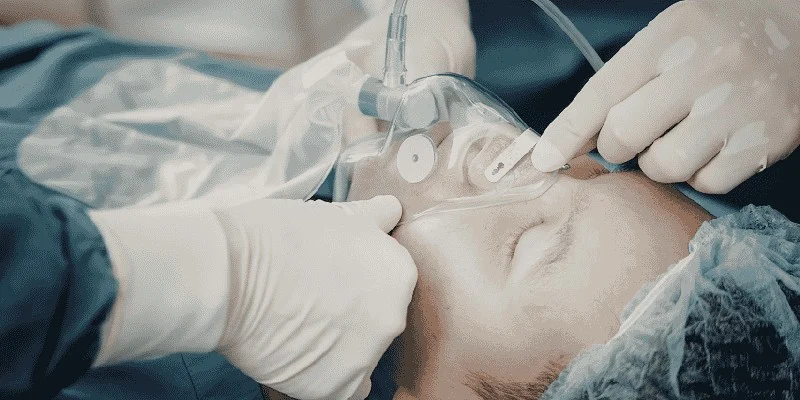
During your dental implant procedure, your dentist and sedation team monitor vital signs continuously to ensure your safety. Your dental team uses equipment to track:
- Blood oxygen levels through a pulse oximeter on your finger
- Heart rate and rhythm with continuous monitoring
- Blood pressure at regular intervals
- Breathing patterns to ensure proper airway function
Modern monitoring equipment must be checked weekly to verify everything works properly. Your dental team stays prepared with emergency equipment and oxygen nearby throughout your implant surgery.
Recovery and Aftercare Following Sedation Procedures
You’ll spend time in a recovery area after your dental implant procedure while the sedation wears off. Your dental team watches you until you’re alert enough to leave safely with your driver.
Common side effects include grogginess, mild nausea, or feeling unsteady on your feet. These effects typically fade within a few hours. You should rest at home for the remainder of the day and avoid making important decisions or signing documents.
Follow these aftercare guidelines for the first 24 hours:
- Don’t drive, operate machinery, or return to work
- Avoid alcohol and sleep medications
- Have someone stay with you if possible
- Take only prescribed medications
- Eat light, bland foods once you feel hungry
Contact your dentist right away if you experience severe dizziness, difficulty breathing, or excessive bleeding from the implant site.
Personalizing Your Dental Implant Sedation Plan
Your sedation plan should match your anxiety level, medical history, and the complexity of your implant surgery. Working closely with your dental team helps you find the right balance between comfort and safety.
Tailoring Sedation to Your Needs and Procedure Complexity
Your sedation options depend on several personal factors. If you have mild dental anxiety, nitrous oxide might be enough to keep you relaxed during a single implant placement.
For moderate anxiety or longer procedures involving multiple implants, oral sedation offers deeper relaxation while keeping you conscious.
The complexity of your dental implant procedure also shapes your sedation choice. A straightforward single implant typically needs less sedation than extensive work like full-arch restorations or bone grafting.
Your medical history matters too. Conditions like heart disease, respiratory issues, or medication allergies may rule out certain sedation methods.
Age and weight affect dosing for sedation dentistry. Your dentist will calculate the right amount based on these factors. Previous experiences with sedation also guide your plan. If you’ve had bad reactions before, your team can adjust their approach.
Communicating With Your Dental Team About Sedation Choices
Open conversation with your dentist makes sedation for dental implants safer and more effective. Share your fears honestly, whether you worry about needles, pain, or loss of control. Your dentist needs to know about all medications you take, including supplements and over-the-counter drugs.
Ask questions about each sedation method. Find out how you’ll feel during the procedure, how long recovery takes, and what restrictions apply afterward.
Discuss practical concerns like whether you need someone to drive you home or if you should skip meals beforehand.
Tell your dental team if you’ve had complications with anesthesia in the past. Mention any allergies, even if they seem unrelated.
Your dentist will use this information to create a customized sedation plan that keeps you comfortable and safe throughout your dental implant procedure.
Frequently Asked Questions
Patients considering dental implants often have questions about sedation choices, what to expect during the procedure, and safety guidelines for afterward.
Understanding these details helps you feel more prepared and confident about your upcoming treatment.
What sedation options are available for a dental implant procedure?
You have several sedation choices for your dental implant procedure. Nitrous oxide, also called laughing gas, keeps you awake but relaxed throughout the treatment.
Oral sedation involves taking a pill before your appointment to help you feel calm. IV sedation delivers medication through a vein to put you in a deeply relaxed state.
Local anesthesia numbs the specific area where your dentist will place the implant.
Your dentist will recommend the best option based on your anxiety level and the complexity of your procedure.
Will I be fully asleep during dental implant surgery, or just relaxed?
Most sedation options put you in a state of deep relaxation rather than making you completely unconscious. With nitrous oxide or oral sedation, you’ll be conscious and able to communicate but feel calm and at ease.
IV sedation creates a deeply relaxed, conscious state where you remain technically awake and can respond to instructions. However, most patients have no memory of the procedure afterward.
General anesthesia is the only option that makes you fully unconscious, but it’s rarely needed for routine dental implant placement.
Is IV sedation a good choice for dental implants if I’m anxious?
IV sedation works well for patients who feel anxious about dental procedures. It’s the most popular sedation option for dental implant placement because it creates such a relaxed state.
You’ll remain conscious enough to respond to your dentist’s instructions, but you won’t remember much about the experience. This makes the procedure feel like it passes quickly, even if it takes several hours.
Your dental team monitors your vital signs throughout the procedure to keep you safe.
How does local anesthesia differ from sedation for dental implant placement?
Local anesthesia numbs only the specific area where your dentist is working. You stay fully alert and aware during the entire procedure, but you won’t feel pain in the treatment area.
Sedation affects your whole body and changes your level of consciousness. It helps you feel relaxed or sleepy while local anesthesia blocks pain signals from the surgical site.
Most dental implant procedures use both local anesthesia and some form of sedation together. This combination keeps you comfortable and pain-free during treatment.
How long does the dental implant procedure usually take with sedation?
A single dental implant typically takes one to two hours to place. Multiple implants or more complex cases can take longer, sometimes three to four hours.
Dental implant surgery is a lengthy procedure, which is why sedation helps so much. The sedation itself doesn’t make the procedure take longer; it just makes the time pass more comfortably for you.
Your dentist will give you a more specific time estimate based on how many implants you need and your individual treatment plan.
Can I drive myself home after dental implant surgery if I’ve been sedated?
You cannot drive yourself home after receiving any form of sedation beyond local anesthesia. Nitrous oxide wears off quickly, but you should still wait at least 15 minutes and get your dentist’s approval before driving.
Oral sedation and IV sedation require you to arrange for someone to drive you home. These medications affect your coordination and judgment for several hours after your procedure.
You should plan to rest for the remainder of the day and avoid operating any vehicles or machinery until the next day.