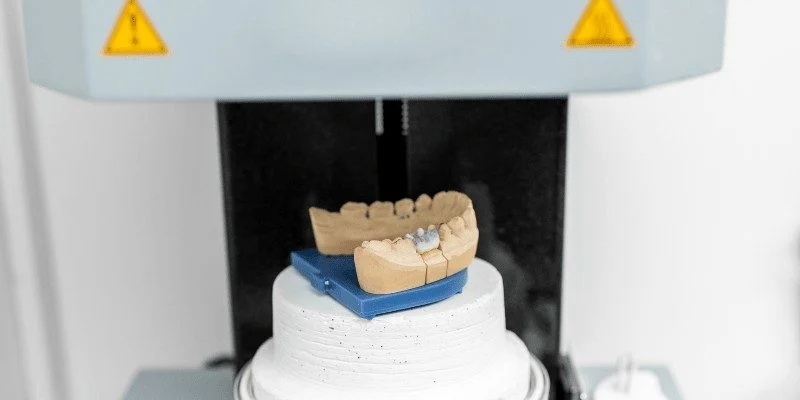
When it comes to deciding whether to save a tooth or remove it, dentists carefully weigh several factors. The choice depends on the condition of your tooth, how much damage it has, and the health of the surrounding area.
This helps ensure you get the best treatment for lasting oral health.
Saving a tooth is often possible with treatments like root canals or crowns if the tooth can still support those options. But sometimes, extraction is the safest choice to prevent pain, infection, or damage to other teeth.
Understanding what to expect from each option and how your smile can be restored afterward will prepare you for your visit. Taking good care of your teeth can also lower the chance you’ll need an extraction in the future.
Key Takeaways
- Dentists choose based on the tooth’s condition and overall mouth health.
- Saving a tooth is preferred but extraction is safer in some cases.
- Proper care and treatment help protect your smile long-term.
How Dentists Decide: Extraction or Saving a Tooth?
When deciding whether to extract a tooth or save it, your dentist looks at several important factors. They carefully check the tooth’s condition, use special tools to see underneath, and consider your past dental history and personal preferences.
This helps them choose the best plan for your health.
Key Evaluation Criteria
Your dentist will first examine the condition of your tooth. They check for things like decay, cracks, or infection that might make saving the tooth hard or impossible.
If the damage is mild or moderate, treatments like root canals or crowns can sometimes save your tooth. If the tooth is severely damaged, loose, or causing pain that cannot be fixed, extraction becomes more likely.
Dentists also consider how saving or removing a tooth will affect nearby teeth and your bite. Keeping a tooth that hurts or is infected can cause problems later.
Your general dentist or family dentist will weigh the benefits and risks. They follow guidelines from the American Dental Association to make the right call for your specific case.
Role of Diagnostic Imaging
X-rays and other imaging tools are essential in making the decision. They show what’s happening below the surface, such as bone loss, root damage, or infection spreading under the gums.
This view helps your dentist see if the tooth’s roots and surrounding bone can support saving the tooth. Sometimes, three-dimensional scans are used for a clearer picture, especially if a root canal or surgery might be needed.
Imaging results can reveal hidden problems that are not visible during a regular exam. With this detailed information, your dentist or an endodontist (a specialist in treating tooth roots) can better decide if your tooth can heal or if extraction is safer.
Patient Preferences and Oral Health History
Your input matters a lot. Dentists always ask about your dental history, like past issues with cavities, gum disease, or previous treatments.
They also want to know your pain tolerance, lifestyle, and what you want for your smile. If you prefer to save your tooth whenever possible, your dentist might suggest trying treatments first.
But if you’ve had many problems or want a quick solution, extraction with replacement options like implants or bridges could be recommended. Good dental check-ups and honest talks with your dentist help make the best choice.
If you’re unsure which option is right for you, schedule a consultation with a trusted dentist in Woodbury, MN to review your dental history and discuss personalized treatment options.
When Is It Better to Save a Tooth?
Saving a tooth is often the best choice when the structure and health of the tooth can be restored and maintained. Treatments like root canal therapy and dental crowns can protect the tooth and keep it functional.
Good gum health and proper oral care also play a big role in helping your natural teeth last longer.
Root Canal Therapy to Treat Infected Pulp
If your tooth’s nerve is infected or damaged, root canal therapy can help save it. This process involves removing the infected pulp inside the tooth, cleaning the area, and sealing it to prevent further infection. It stops pain and removes the source of infection while keeping your natural tooth in place.
Root canal treatment allows you to keep chewing and speaking normally because the tooth remains in your mouth.
Research shows that endodontically treated teeth have a high long-term success rate, with about 91.5% remaining successful over extended follow-up, especially when properly restored with a crown.
If you feel persistent tooth pain or sensitivity, an endodontist (a specialist in root canals) will evaluate whether this treatment is the right option for you.
Dental Crowns and Fillings for Restoration
When a tooth is cracked, broken, or has a large cavity, dental restorations like crowns or fillings can protect it. Fillings restore small to medium damage by filling the hole after decay is removed.
Crowns cover the entire tooth, strengthening it and preventing further damage. Crowns are especially useful after root canal therapy because they protect the treated tooth from breaking.
These restorations help keep your smile looking natural and support your ability to chew properly. Choosing a restoration means you avoid gaps in your mouth and reduce stress on nearby teeth.
Periodontal Treatment for Gum Disease
Healthy gums are key to saving your natural teeth. If gum disease threatens your teeth with looseness or bone loss, periodontal therapy can help.
Treatments may include deep cleaning below the gumline, removing bacteria, and smoothing root surfaces to promote healing. By addressing gum inflammation, your teeth become more stable.
This can prevent the need for extraction due to severe mobility. Regular dental visits and good oral hygiene at home boost the effectiveness of periodontal treatments to keep your smile and oral health intact.
Importance of Maintaining Natural Teeth
Keeping your natural teeth is important for many reasons. Natural teeth help you chew food effectively and speak clearly.
They also give your face shape and support a long-lasting smile. Replacing missing teeth with implants or bridges can be helpful, but nothing feels quite like your own tooth.
When possible, saving your natural teeth protects your overall oral health. It also helps avoid shifting of neighboring teeth that can create bite problems.
Taking care of your teeth with proper treatment and daily hygiene helps you enjoy a healthier mouth for years to come.
When Tooth Extraction Is the Healthiest Choice
Sometimes, keeping a tooth can cause more harm than good. When a tooth is too damaged or infected, removing it can protect your overall oral health.
Several key reasons can make tooth extraction the safest option for you.
Reasons for Extraction: Decay, Trauma, and Disease
If your tooth has extensive decay or is broken badly from trauma, saving it may not be possible. When decay reaches deep below the gum line or the tooth is fractured under the bone, it often cannot hold a filling or crown.
This can lead to ongoing pain and infection. Advanced periodontal disease is another cause.
When gum disease causes the tooth to become loose or the bone supporting it is badly damaged, removing the tooth helps stop infection from spreading to nearby areas. Your family dentist will consider if the tooth is too compromised to save before recommending extraction.
Impacted and Problematic Wisdom Teeth
Your third molars, or wisdom teeth, often come in at awkward angles. If they stay trapped under the gum (impacted), they can hurt surrounding teeth or trap food, causing decay or infection.
Extracting these impacted wisdom teeth can relieve pain and prevent future problems. Sometimes wisdom teeth only partially erupt, which creates pockets that are hard to clean.
This increases your risk of periodontal disease or infection. Removing problematic wisdom teeth before they cause damage protects your oral health long term.
Orthodontic and Functional Considerations
Sometimes, tooth extractions are part of orthodontic treatment. If your teeth are crowded, removing one or more teeth can create space to align the rest properly.
This makes it easier to clean and reduces your risk for decay and gum disease later. Extraction is also needed when a tooth interferes with how your bite works or causes pain during chewing.
Removing a tooth that damages your jaw or other teeth helps maintain overall function and comfort. Your dentist balances these factors carefully to give you the best outcome.
Schedule a dental evaluation in Woodbury, MN to see whether orthodontic care or extraction is right for your bite.
The Procedures: What to Expect
When you face a choice between extracting a tooth or saving it, knowing the steps involved helps you feel more comfortable. Both options have clear procedures with specific tools and care needed before and after treatment.
Tooth Extraction Process and Anesthesia
Tooth extraction usually starts with local anesthesia to numb your mouth. This means you should feel little to no pain during the procedure.
Your dentist uses tools to gently loosen and remove the tooth. For simple extractions, like with teeth that are fully visible, the process is quick.
Sometimes, especially with impacted teeth such as wisdom teeth, a surgical extraction is needed. This involves making a small cut in the gum to access the tooth.
After removal, your dentist may stitch the area. The anesthesia wears off in a few hours, and you’ll get instructions to manage swelling and pain.
Saving a Tooth: Root Canal and Crown Placement
If your tooth’s inner pulp is infected, a root canal can save it by removing the damaged tissue. During this process, your dentist cleans out the infection from inside the root and then seals it.
This stops pain and stops the infection from spreading. After the root canal, a dental crown is often placed on the tooth.
The crown strengthens the tooth and protects it from breaking. Crowns fit over the existing tooth, restoring its shape and function so you can chew comfortably.
These steps preserve your natural tooth and prevent future problems.
Risks and Complications: Dry Socket and Aftercare
After extraction, one risk to watch for is dry socket. This happens when the blood clot at the extraction site is lost or dislodged, exposing bone and nerves, leading to pain.
You can reduce this risk by avoiding smoking, using straws, or spitting forcefully for several days after your procedure. Good oral hygiene is key to recovery.
For both extraction and saving a tooth, follow your dentist’s instructions about brushing and rinsing. If you had periodontal treatment, keeping gums healthy is important to protect your teeth and implants.
Managing pain and keeping the area clean helps you heal faster with fewer complications.
Restoring Your Smile After Tooth Loss

When you lose a tooth, replacing it helps keep your mouth healthy and your smile looking natural. Tooth loss is more common than many people realize, especially with age.
About 1 in 10 adults aged 65 to 74 have lost all of their natural teeth, which highlights how important it is to protect teeth when possible and restore missing ones promptly when extraction is necessary.
You have several ways to fill the gap, each with its own benefits. Some options focus on protecting the jawbone, while others restore your bite, appearance, and overall oral function.
Dental Implants and Bone Grafting
Dental implants are a popular, long-lasting way to replace missing teeth. They act like a tooth root, anchoring a crown securely in place.
This stability helps keep your jawbone strong by stimulating the bone where your natural tooth used to be. If you’ve experienced bone loss, your dentist or prosthodontist may recommend bone grafting first.
Bone grafting adds bone material to rebuild the area, creating a solid base for the implant. This step is important because implants need strong bone to stay stable.
Once healed, the implant can support a crown that looks and feels like your real tooth. Though implants may cost more upfront, their durability and the way they preserve your bone make them a good investment.
Dental Bridges and Partial Dentures
A dental bridge fills in the space left by one or more missing teeth. It is anchored to the teeth beside the gap, usually by crowns.
Bridges restore your ability to chew and help keep teeth from drifting out of place. Partial dentures are removable appliances that replace several missing teeth in one area.
They have a metal or acrylic frame that clips onto your remaining teeth. Partial dentures are less stable than implants or bridges but are often the faster and less expensive option.
Both bridges and partial dentures improve how your smile looks and works. Your dentist can help you decide which device suits your mouth best based on your needs, lifestyle, and budget.
Oral Function, Appearance, and Long-term Care
Restoring missing teeth is about more than looks. You want to chew food properly, speak clearly, and maintain good oral hygiene.
Dental restorations like implants, bridges, and partial dentures each affect these functions differently. Implants offer the closest feel to natural teeth, making eating and speaking easier.
Bridges rely on nearby teeth, which may need extra care to avoid damage. Partial dentures require regular cleaning and may need adjustments over time.
A prosthodontist or general dentist will guide you on cleaning techniques and check the fit of your replacement teeth to protect your long-term oral health.
A personalized consultation in Woodbury, MN, can help you choose a restoration that supports comfort, function, and long-term oral health.
Preventing the Need for Extraction: Proactive Dental Care
Keeping your teeth healthy means staying ahead of problems before they get serious. You need to take steps in your daily routine, visit your dentist regularly, and catch dental issues early.
These efforts can protect your teeth and lower the chance of needing an extraction.
Routine Dental Check-Ups
Regular dental visits are a key part of preventing tooth extraction. During check-ups, your dentist looks for signs of decay, gum disease, or other issues that could harm your teeth.
By seeing your dentist every six months, small problems can be fixed before they worsen. Professional cleanings remove plaque and tartar that brushing alone can’t handle.
This helps reduce the risk of cavities and gum infections. Your dentist can also take X-rays to spot hidden damage.
If any problem is found, treatment can start early, often saving your tooth. Learn more about the importance of routine dental visits.
Good Oral Hygiene and Flossing Habits
Taking care of your teeth at home is just as important as going to the dentist. Brushing twice a day with fluoride toothpaste helps remove food and bacteria.
It is essential to use the right technique and brush for two minutes. Flossing is crucial because it cleans the spaces between your teeth where a brush can’t reach.
Removing plaque from these tight spots helps prevent cavities and gum disease, two common reasons for extraction. Try to floss once daily and be gentle to avoid hurting your gums.
Using mouthwash can also reduce germs and freshen your breath.
Early Intervention for Dental Problems
Catching dental problems early can save your tooth from extraction. If you notice pain, swelling, or sensitivity, don’t wait to see your dentist.
Many dental issues start small, like a tiny cavity or early gum infection. When treated early, these can often be reversed or controlled with simple procedures.
Delaying care may lead to serious infections or damage that requires tooth removal. Your dentist can use treatments like fillings, root canals, or deep cleanings to save the tooth.
Being aware of changes in your mouth and acting fast protects your dental health.
Frequently Asked Questions
Deciding between saving a tooth or having it extracted depends on many details about your tooth’s condition, treatment history, and costs. Your long-term comfort and dental health also play big roles in what option makes the most sense.
What factors influence a dentist’s decision to extract or save a tooth?
Dentists look at how much damage the tooth has, including decay or cracks. They check how strong the tooth structure is and if the bone around it is healthy.
They also consider if treatments like root canals or crowns are likely to succeed. Your bite and how the tooth affects nearby teeth matter too.
Can a tooth with a previous root canal treatment be saved, or is extraction the only option?
A tooth that had a root canal before can often be saved if the treatment is still working. If the root canal fails, retreatment or other treatments like crowns might work.
Extraction becomes more likely when retreatment won’t predictably solve the problem or if the tooth has serious fractures or damage below the gumline.
What is the average cost difference between a tooth extraction and a root canal with a crown?
Tooth extraction usually costs less upfront than a root canal followed by a crown. Extraction can range from a simple procedure to more complex surgery, affecting cost.
Root canal therapy plus a crown tends to be more expensive because it involves multiple steps and materials. But saving your tooth might avoid extra costs later for replacements.
Is it more beneficial in the long term to extract a tooth or to try to save it?
Saving your natural tooth helps keep your bite stable and avoids shifting of other teeth. It usually supports better chewing and feels more natural.
Extraction may be needed when a tooth can’t be fixed, but replacing the missing tooth is important to prevent future dental problems. Implants, bridges, or dentures can fill the space.
Why might a dentist recommend an extraction over a root canal?
If your tooth has deep decay below the gum, a vertical crack, or moves a lot due to gum disease, extraction might be the better choice.
Also, if prior treatments have failed or the tooth causes pain or infection that doesn’t improve, removing it can stop problems from getting worse.
How does the absence of dental insurance impact the decision between tooth extraction and root canal therapy?
Without insurance, cost is often a big concern. You might choose extraction since it usually costs less upfront.
Talking openly with your dentist about your budget can help find the best option for your situation.